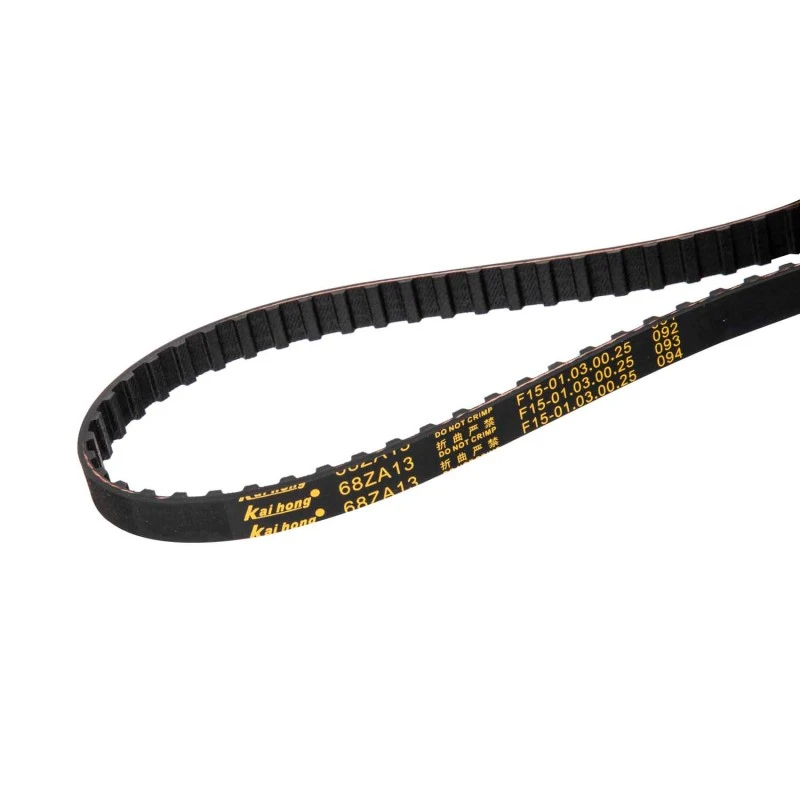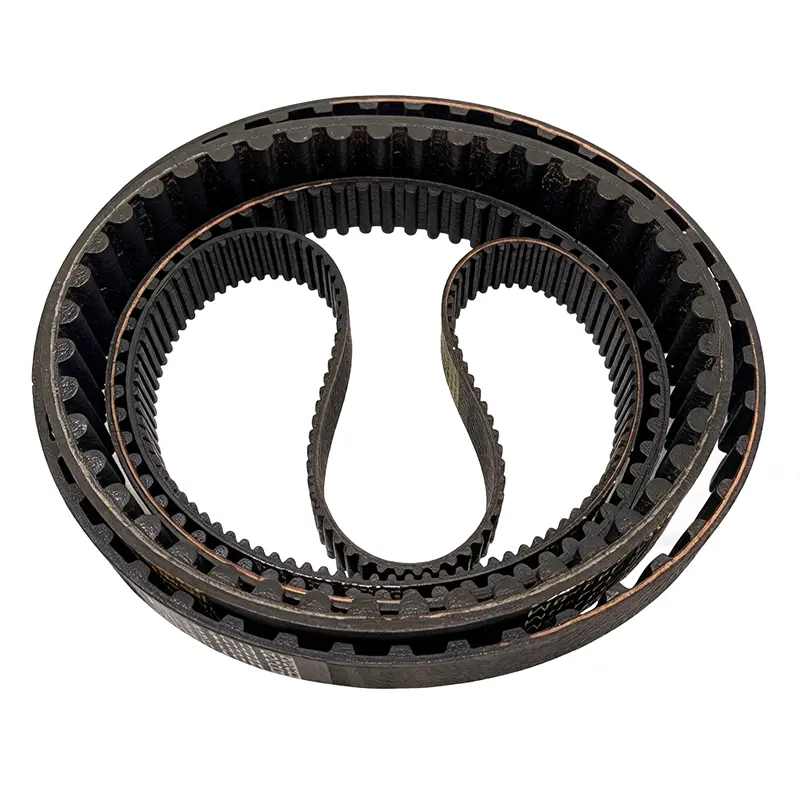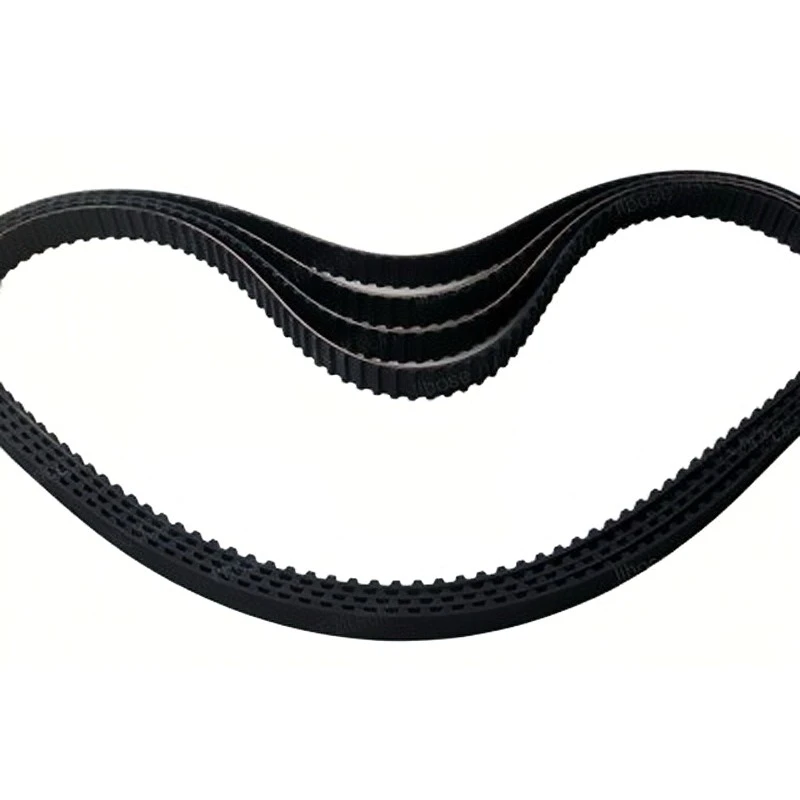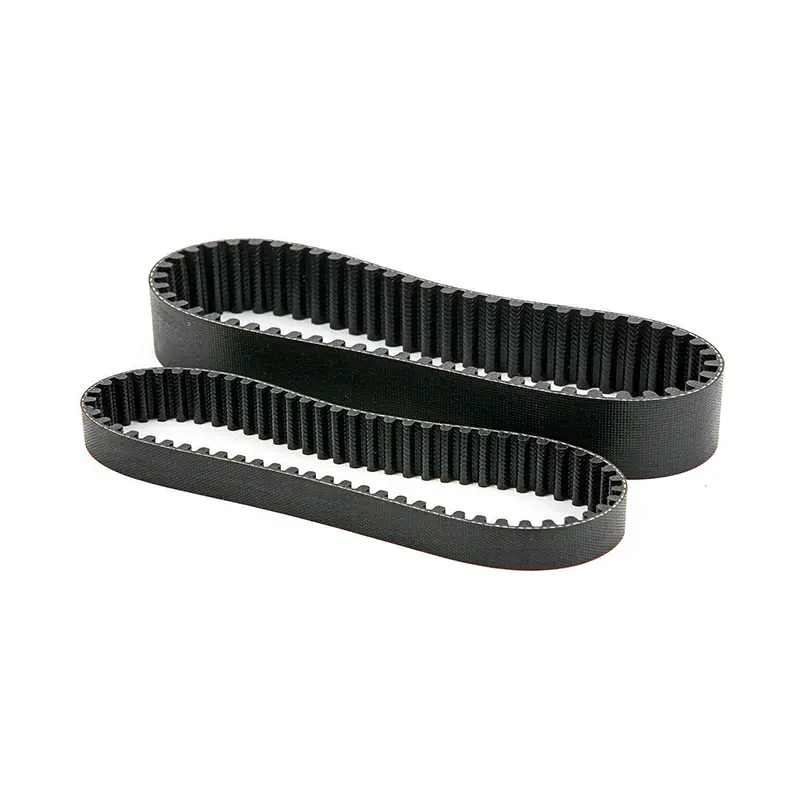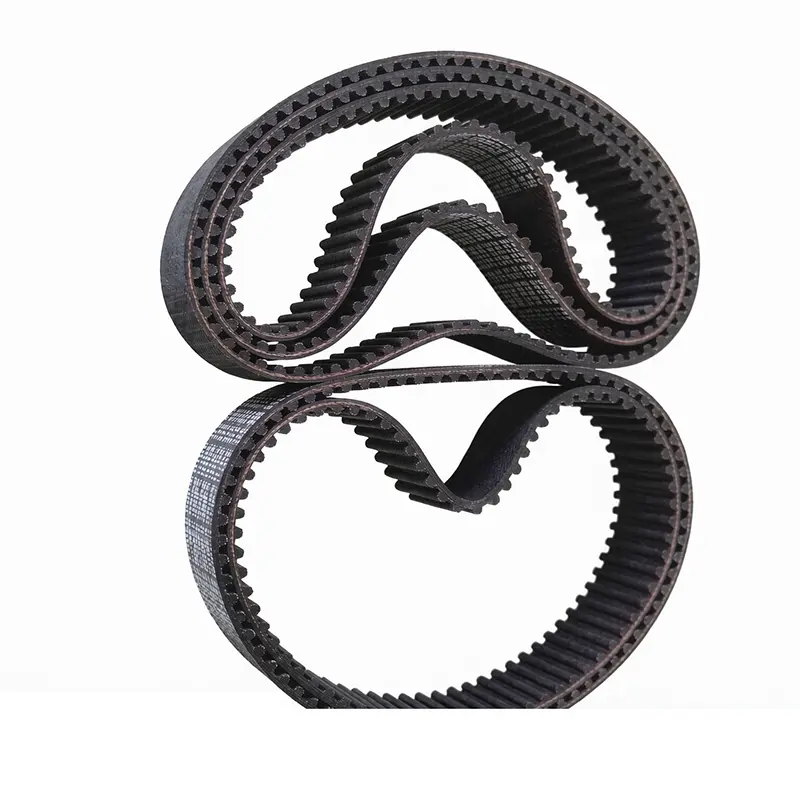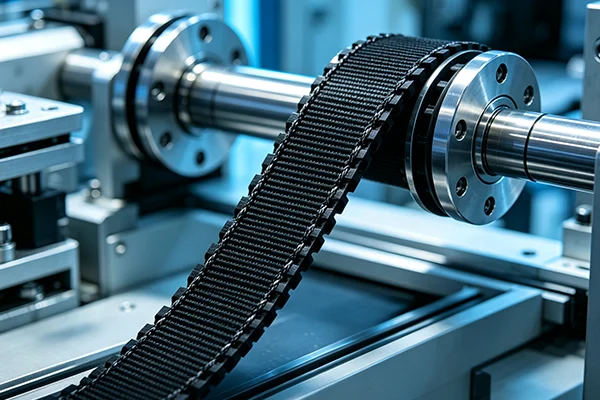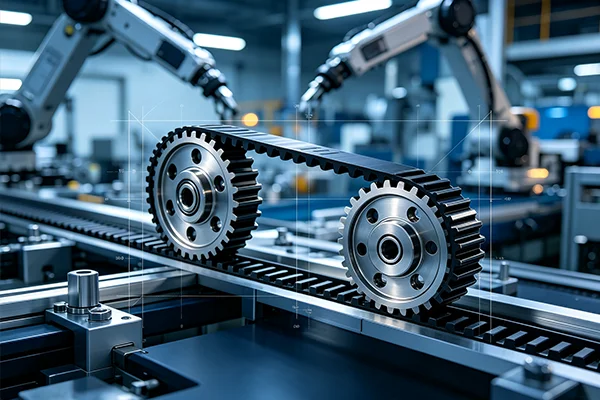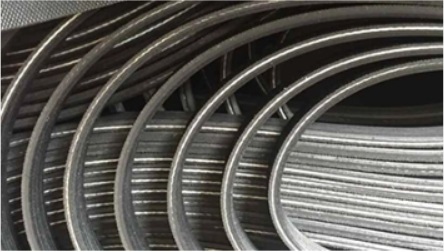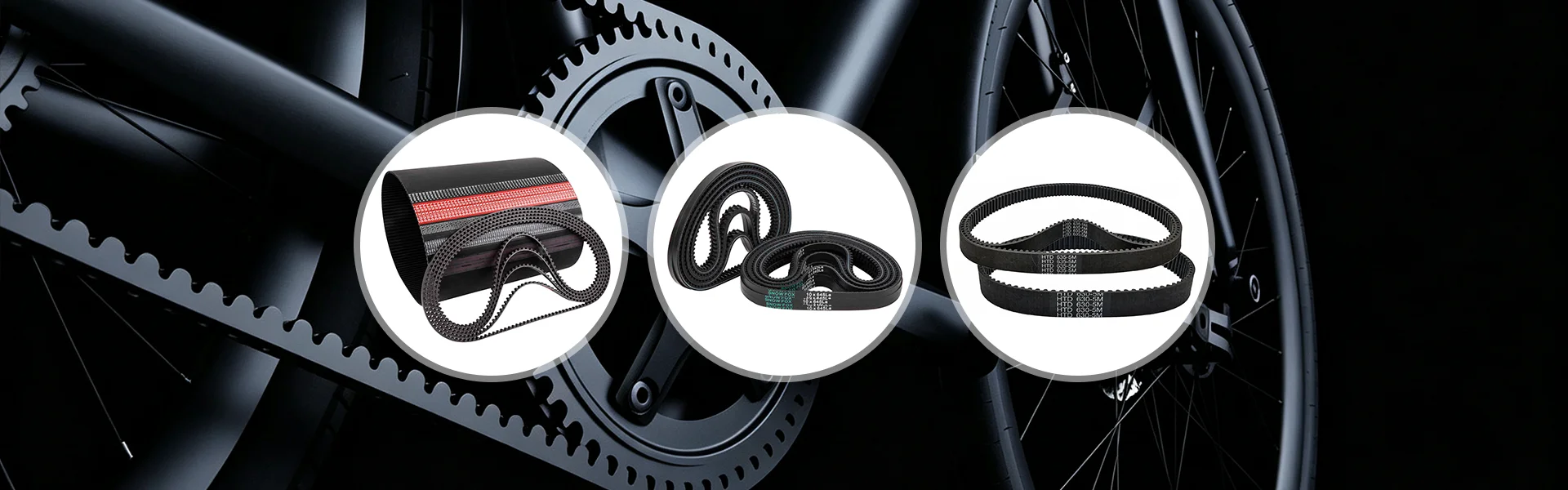
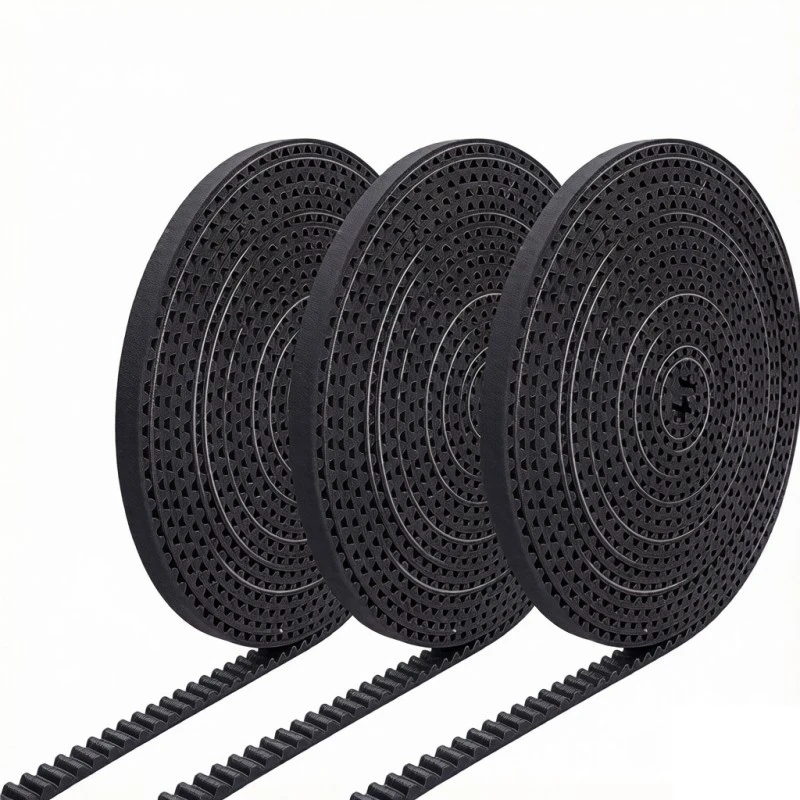
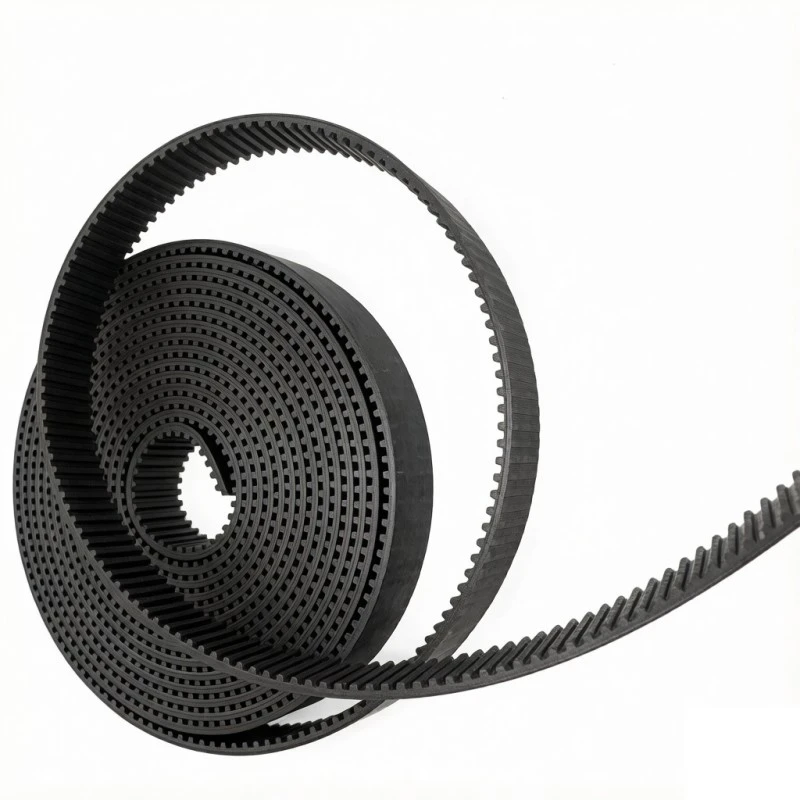
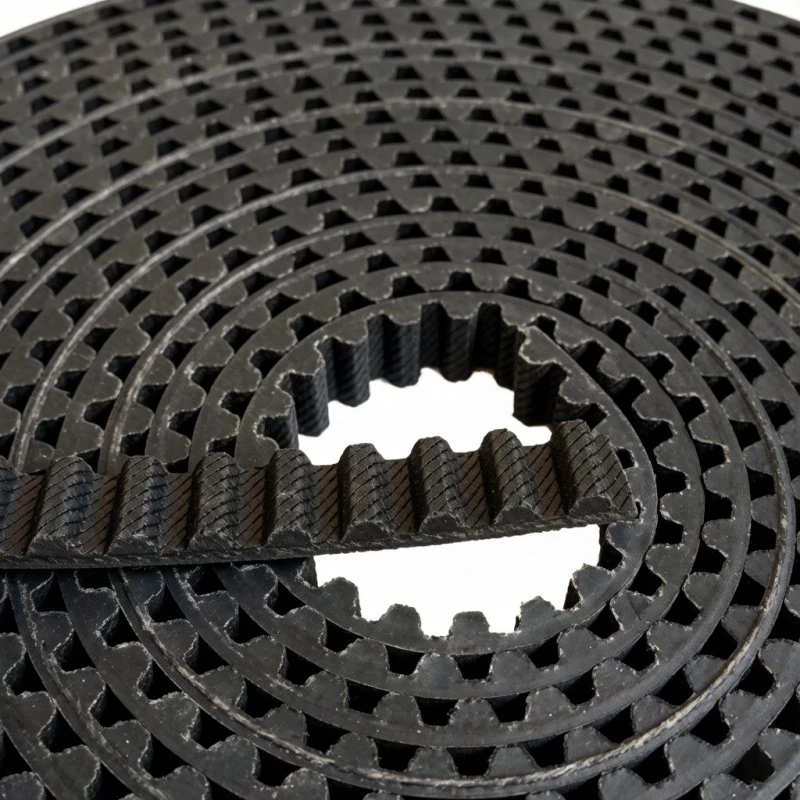
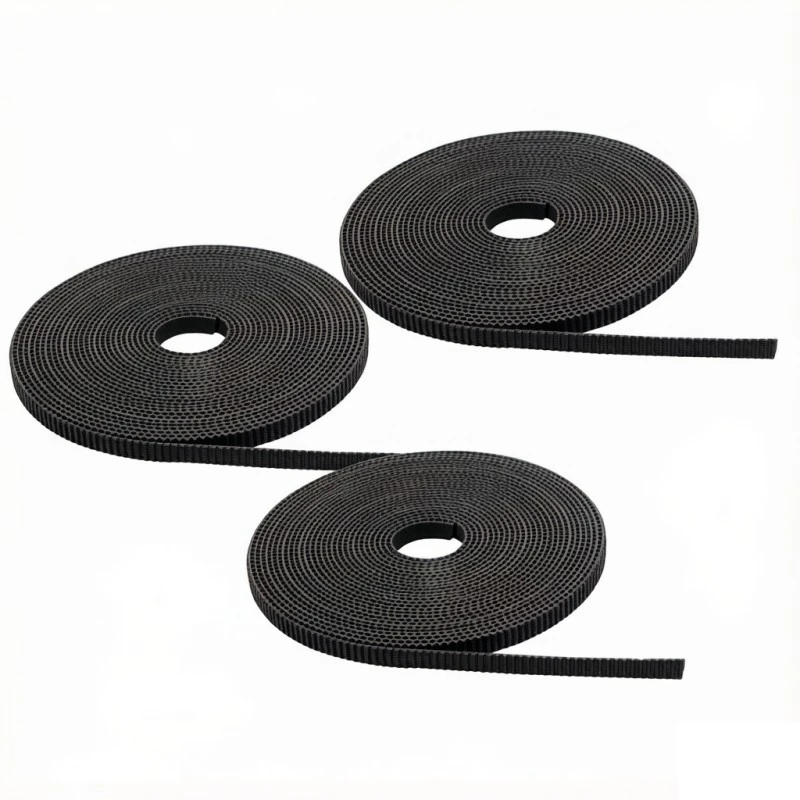
Kaihong Rubber Open End Timing Belts are designed for automation systems that convert rotary movement into controlled linear motion. Supplied in continuous rolls, they allow buyers to cut the required length according to the actual machine stroke, making them particularly useful for long-axis systems and equipment where installing a fixed-length endless belt is inconvenient.
The synchronous tooth engagement maintains accurate movement without the slip associated with friction-drive belts. With CR or EPDM rubber bodies and options for fiberglass, steel wire, or Aramid tensile cords, this design balances positioning accuracy, flexibility, and resistance to vibration. Kaihong manufactures these belts under ISO9001 and ISO14001 certified management systems and supports standard and customized requirements.
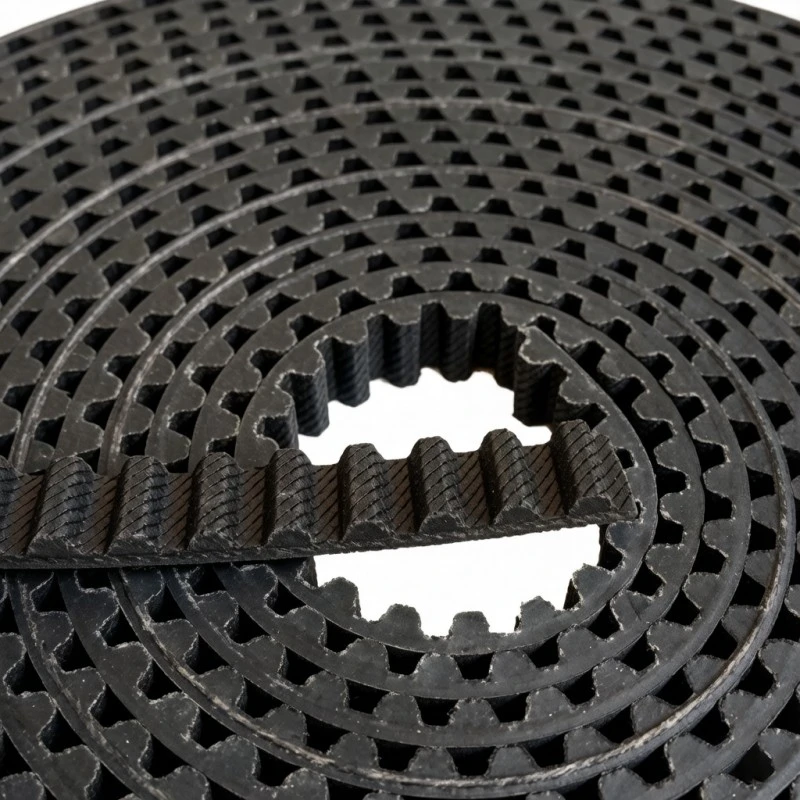
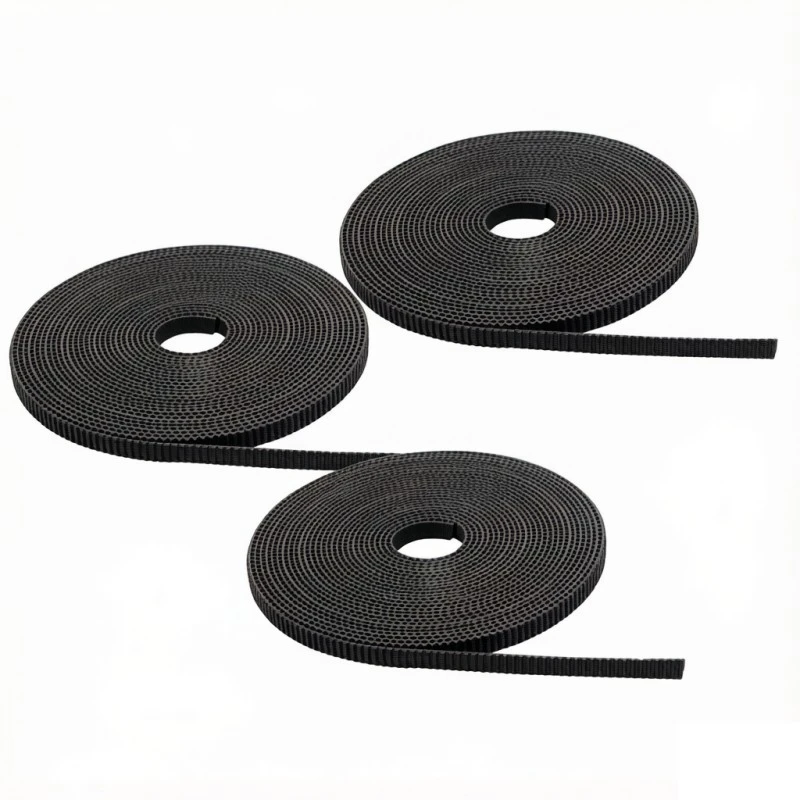
Rubber Open End Timing Belts are supplied as continuous open lengths rather than fixed circumferences, giving machine designers greater freedom when developing long-stroke or non-standard transmission systems. The belt can be cut according to the required travel distance and installed around the existing pulley arrangement without removing major machine components.
This format is particularly useful when the required belt length changes between equipment models. Instead of stocking numerous fixed-length belts, distributors and machine builders can keep open-length rolls and prepare the required section according to each project.
The toothed engagement between the belt and pulley maintains a stable transmission ratio during forward and reverse movement. This makes Rubber Open End Timing Belts suitable for systems where the belt repeatedly changes direction rather than rotating continuously in one direction.
Typical examples include linear positioning mechanisms, automatic doors, lifting platforms, gantry systems, packaging equipment and material-handling machines. The reinforced rubber body also helps absorb vibration generated during frequent acceleration and deceleration.
Unlike endless belts, this open-end construction allows installation without dismantling shafts or other major machine components. After measuring the required travel length, the belt can be cut and secured using a suitable clamping or connecting system.
For equipment maintenance teams, this can shorten replacement work and simplify the servicing of long conveyor or linear-motion systems. Correct tooth engagement is essential, so the connector, pulley and belt pitch should always be selected as a matched system.
Different drive conditions require different tensile members. Fiberglass reinforcement provides a practical balance between flexibility and dimensional stability for general linear-motion equipment. Steel cord is more suitable when very low elongation and precise positioning are required, while Aramid reinforcement can be selected for applications exposed to higher impact or dynamic loading.
The rubber body is available in CR or EPDM formulations according to the operating environment. CR is suitable for general industrial conditions, while EPDM provides better resistance to heat, ozone and outdoor exposure.
Long-stroke positioning systems can use open-length belts when a standard endless circumference cannot meet the machine layout. The toothed drive helps maintain repeatable movement during reversing operations.
For long travel distances, the belt can be prepared to the required length without relying on multiple fixed-size models. This simplifies belt selection for customized automation equipment.
Open-end construction is useful for equipment requiring adjustable belt lengths, especially when maintenance access is limited and replacing a complete endless belt would require extensive disassembly.
Kaihong manufactures rubber timing belts for industrial transmission and linear-motion applications under ISO9001 and ISO14001 certified management systems. We can supply different belt pitches, widths, reinforcement options and roll lengths according to equipment requirements.
For OEM projects, customers can provide a drawing, sample or required travel distance. Our technical team can assist with belt selection, required length calculation and matching connection solutions before production.
Before ordering Rubber Open End Timing Belts, buyers should confirm several key parameters: belt pitch, tooth profile, width, required working length, tensile cord type, pulley diameter and operating environment.
For reversing systems, the required positioning accuracy and acceleration should also be considered. Selecting the correct tensile reinforcement and maintaining proper pulley alignment can help prevent excessive elongation, tooth wear and tracking problems during repeated motion.
Open-end belts are supplied in continuous rolls and can be cut to the required length, while endless belts are manufactured as fixed circumferences. Open-end construction is therefore more suitable for long-stroke, customized and linear-motion equipment.
Yes. The open-length format is specifically designed for custom-length applications. Customers can provide the required belt length or equipment drawing for selection.
No. Unlike some polyurethane belts, rubber timing belts are not normally joined through thermal welding. Suitable mechanical clamping or toothed connector systems should be selected according to the belt profile and application.
Fiberglass is suitable for general applications, steel cord is preferred for low-elongation positioning systems, and Aramid can be considered when higher flexibility and impact resistance are required.
Please provide the belt pitch, width, required length, tooth profile, reinforcement requirement, pulley dimensions and application conditions. A drawing or existing belt sample can also be used for matching.
Address
No. 48 Guangming Middle Road, Sanmen County, Taizhou City, Zhejiang Province, China
Tel