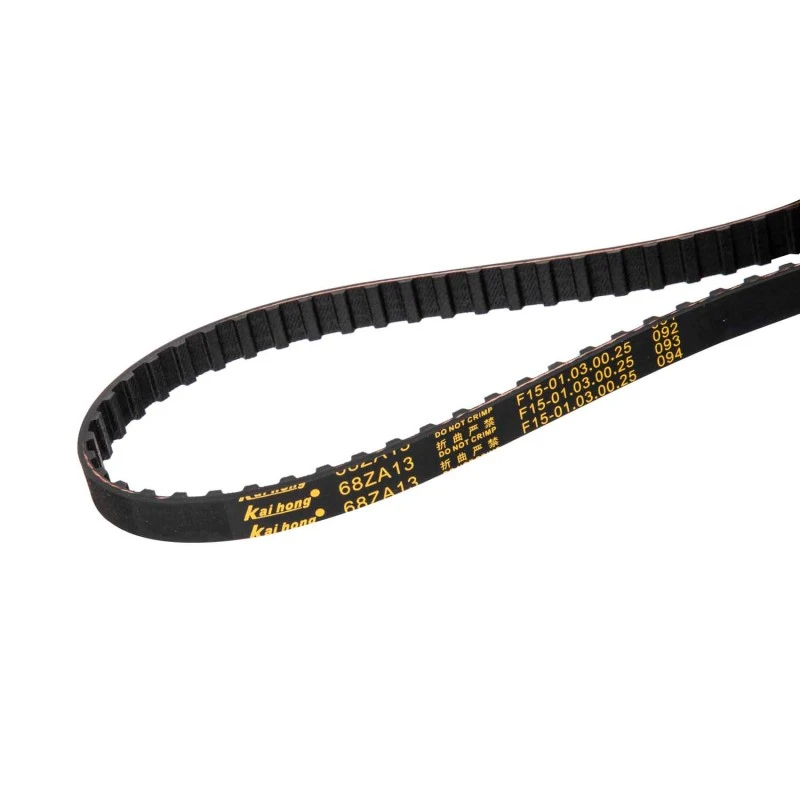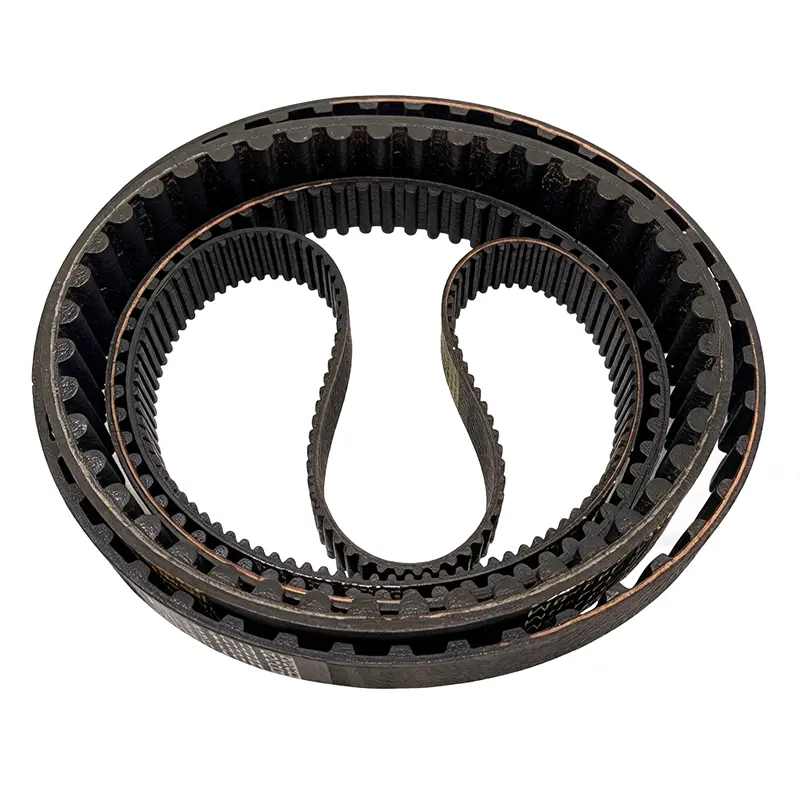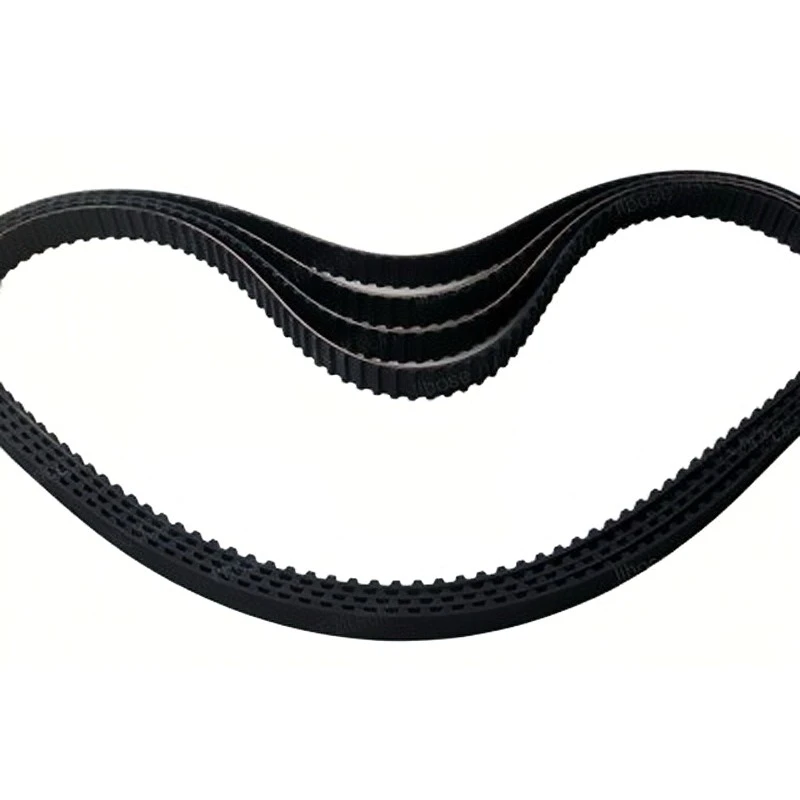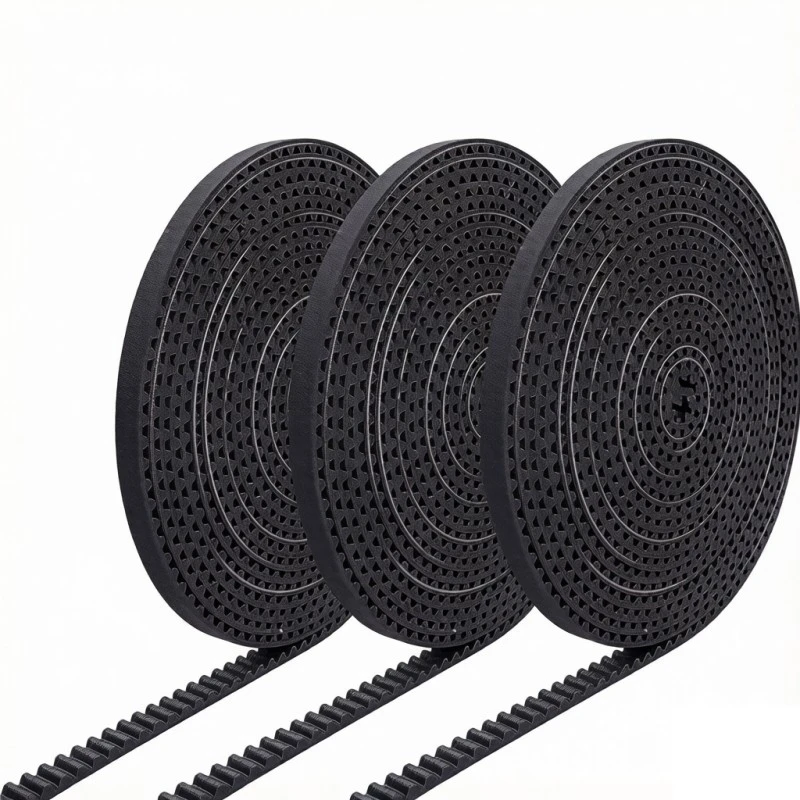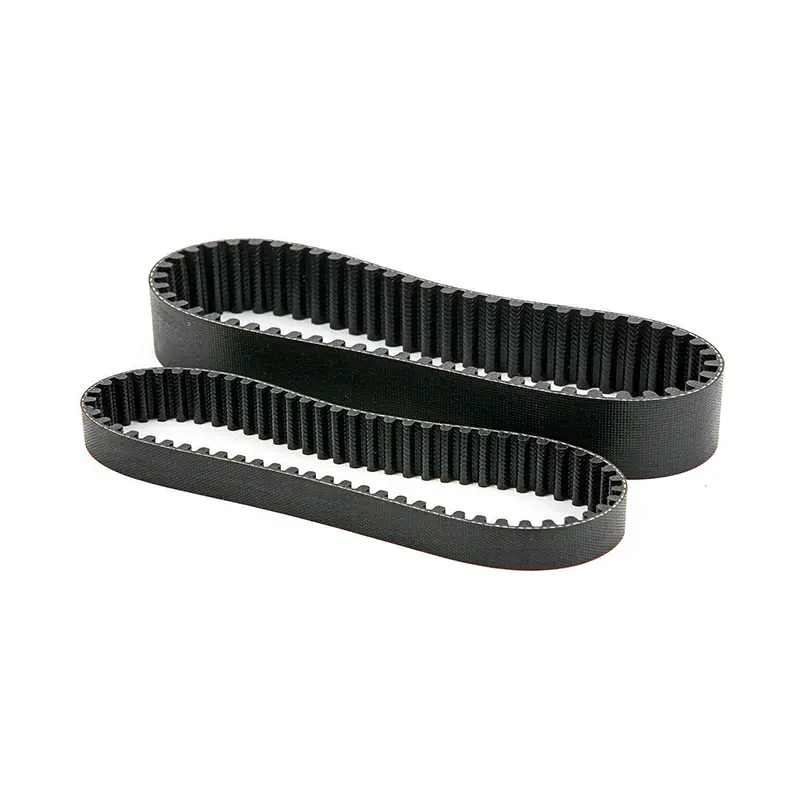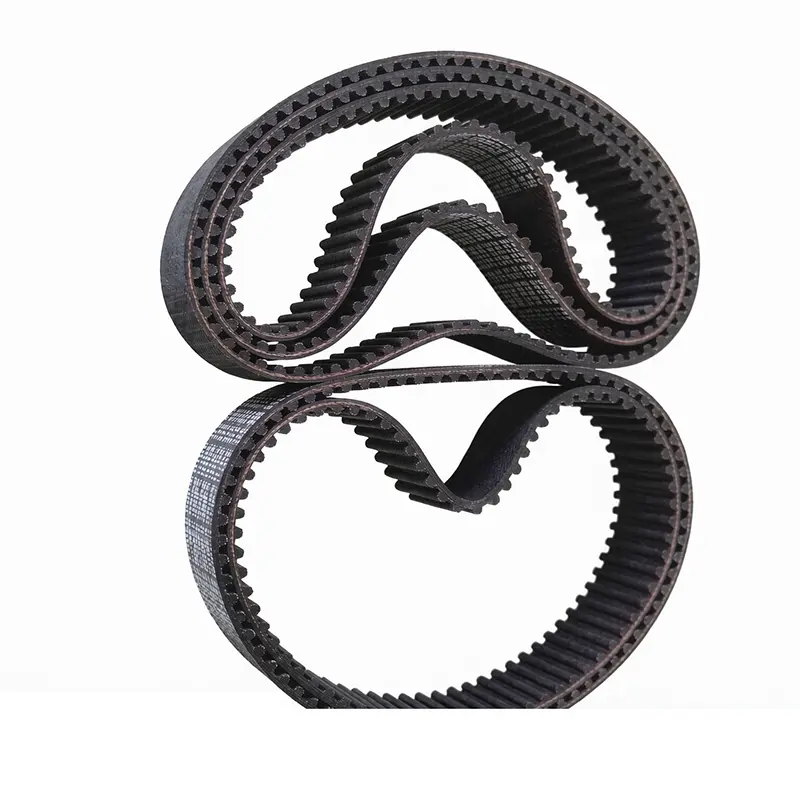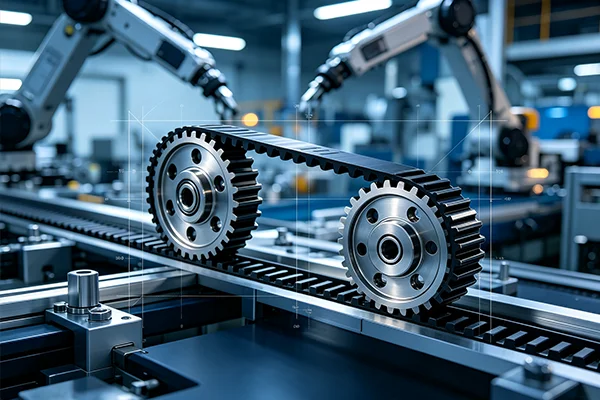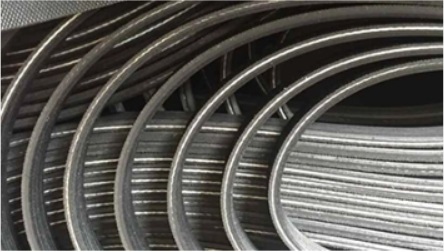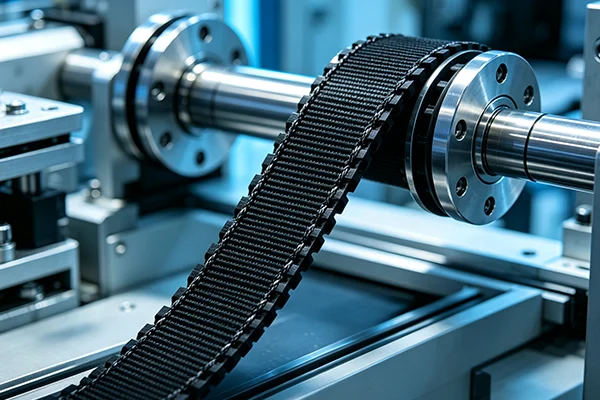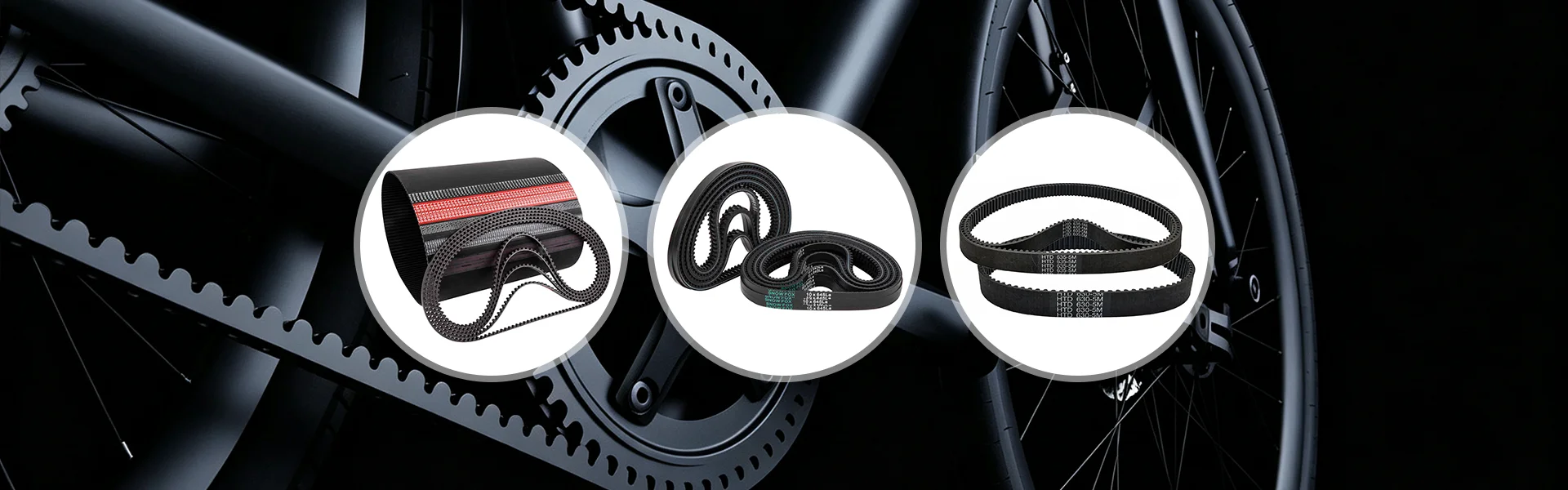
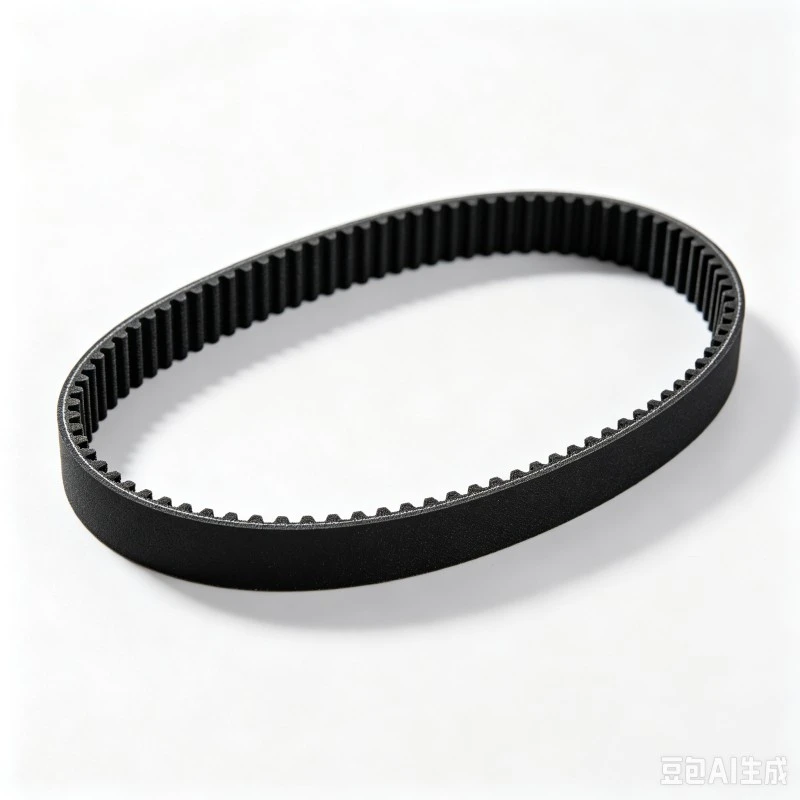
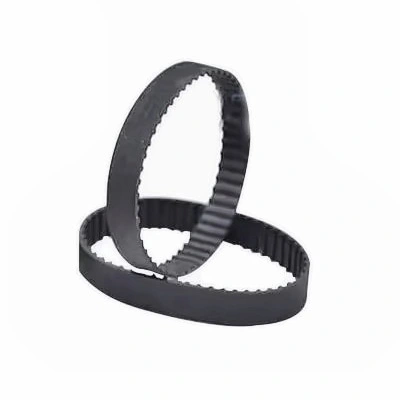
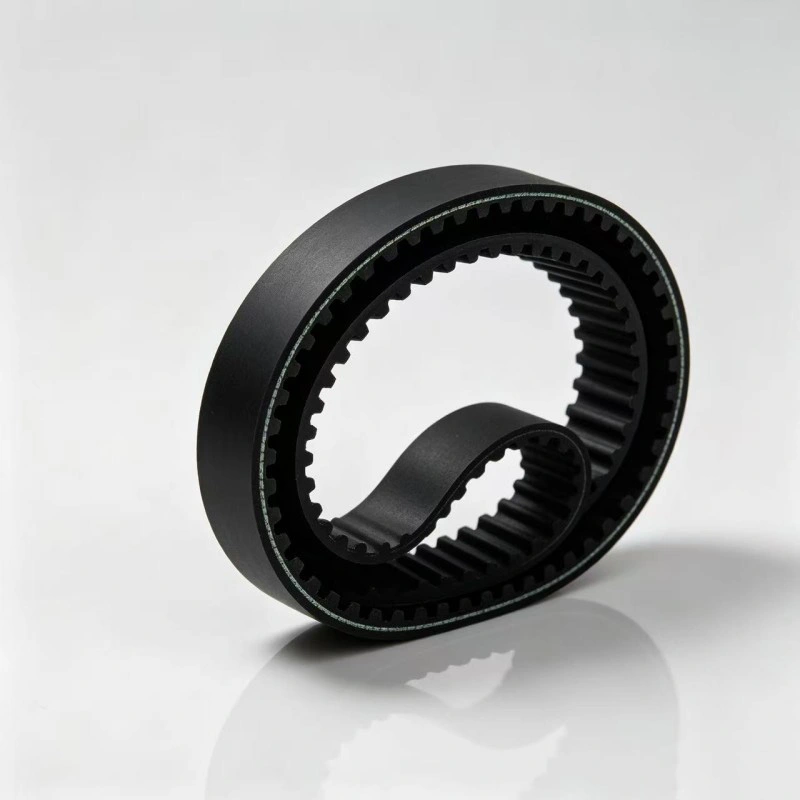
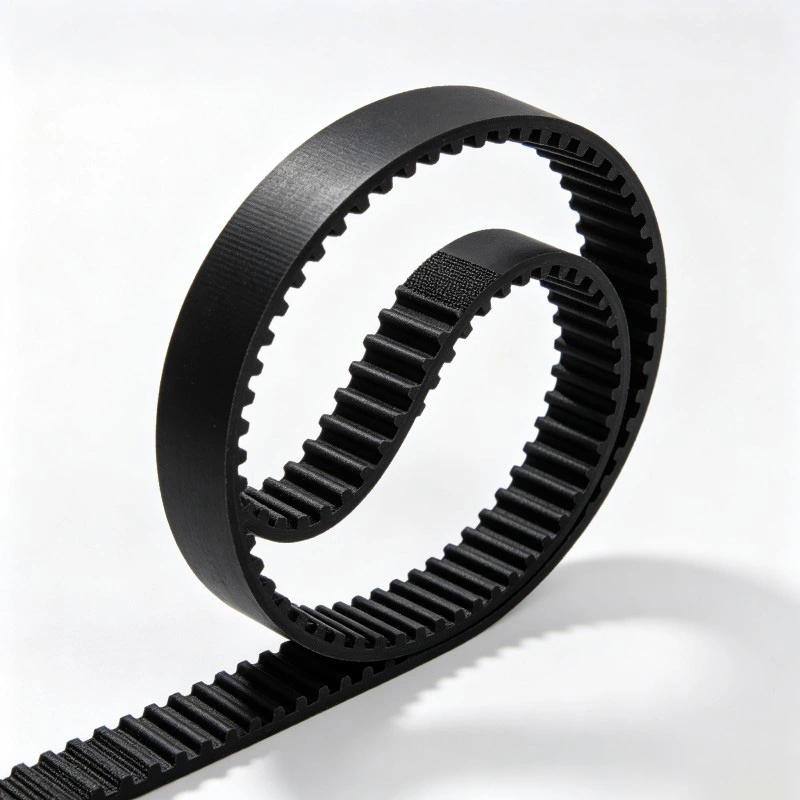
Miniature timing drives utilize sub-millimeter tooth engagement to deliver positive, non-slip synchronization across tight center distances and small sheave diameters. Operating as high-precision motion control components, the mxl and xxl timing belt lineup delivers exceptional bending flexibility, zero rotational backlash, and clean, oil-free torque transmission across automated desktop devices, analytical instruments, and small electronic mechanisms.
Manufactured by Kaihong under certified ISO 9001:2015 and ISO 14001:2015 quality systems, our mini-pitch drive series utilizes high-modulus elastomer compounding and precision molding technologies. Every belt maintains strict pitch uniformity, low rotational inertia, and long-term dynamic wear resistance for original equipment manufacturers and maintenance suppliers worldwide.
Both MXL and XXL series utilize a classic trapezoidal tooth profile optimized for miniature power transmission. Power is transmitted through positive physical meshing between the belt teeth and matching sheave grooves, yielding key mechanical performance characteristics:
With a total belt thickness as thin as 1.14 mm for MXL profiles, these belts offer exceptional flexural capability. They wrap effortlessly around small-diameter pulleys without generating high internal bending stress or thermal buildup.
The reduced mass of the thin rubber body lowers rotational inertia during rapid start-stop reversals. This allows motor drives in scanning and indexing equipment to achieve fast acceleration rates with minimal energy loss.
Operating without oil lubrication, grease baths, or metallic flaking, this dry drive solution completely eliminates oil residue hazards in sensitive office automation, medical diagnostic, and food-handling environments.
Kaihong mini-pitch belts combine high-tenacity reinforcement cords with elastomeric compounds engineered for flex fatigue resistance and pitch stability.
| Layer | Material | Primary Function |
| Tensile Member (Cord) | Helically Wound Fiberglass Cord | Sits along the neutral pitch line; carries the tensile load with near-zero stretch to ensure exact position indexing |
| Belt Body / Elastomer | Chloroprene Rubber (CR) Compound | Encapsulates internal cords; provides dynamic elasticity, oil resistance, and vibration damping during high-speed meshing |
| Tooth Facing Layer | Nylon 66 High-Elasticity Fabric | Covers tooth working faces; lowers friction coefficient, protects against flank abrasion, and extends tooth operational life |
When replacing or specifying micro-pitch timing belts, procurement engineers must account for pitch and tooth angle differences to avoid meshing failures:
An imperial MXL profile (0.080" / 2.032 mm pitch) cannot be interchanged with a metric T2.5 belt (2.500 mm pitch). Similarly, an imperial XXL profile (0.125" / 3.175 mm pitch) cannot be replaced by a metric HTD 3M (3.000 mm pitch). Although pitch numbers appear close, forcing incompatible profiles leads to tooth riding, rapid flank wear, and cord shear.
While all imperial mini-pitch belts feature trapezoidal teeth, the flank angle varies across profile sizes (MXL utilizes a 40° flank angle, whereas XXL and XL utilize a 50° flank angle). Always verify both pitch distance and tooth angle prior to ordering replacement inventories.
Kaihong manufactures a complete range of imperial trapezoidal timing belts, ranging from sub-miniature MXL sections up to heavy-duty XXH profiles:
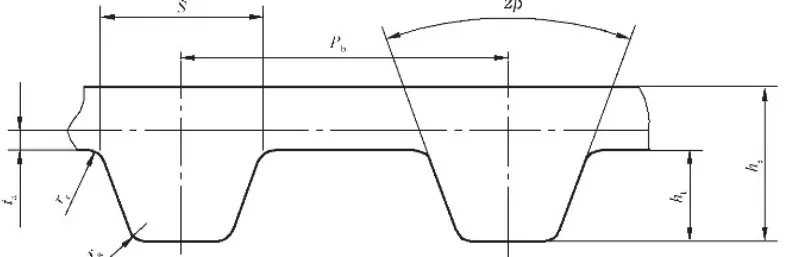
| Item | MXL | XXL | XL | L | H | XH | XXH | |
| Pitch | Inch | 0.080 | 0.125 | 0.200 | 0.375 | 0.500 | 0.875 | 1.250 |
| Metric (mm) | 2.032 | 3.175 | 5.080 | 9.525 | 12.700 | 22.225 | 31.750 | |
| Tooth Height | Inch | 0.020 | 0.030 | 0.050 | 0.075 | 0.090 | 0.250 | 0.375 |
| Metric (mm) | 0.51 | 0.76 | 1.27 | 1.91 | 2.29 | 6.35 | 9.53 | |
| Belt Thickness | Inch | 0.045 | 0.060 | 0.090 | 0.140 | 0.170 | 0.440 | 0.620 |
| Metric (mm) | 1.14 | 1.52 | 2.30 | 3.60 | 4.30 | 11.20 | 15.70 | |
| Tooth Angle | 40° | 50° | 40° | |||||
Thanks to its thin cross-section, zero backlash drift, and quiet running characteristics, an industrial mxl and xxl timing belt is integrated across diverse high-precision equipment:
Because micro-pitch timing belts feature thin elastomer bodies and fine fiberglass cords, careful handling during installation is necessary to preserve drive performance.
Never fold, crease, or sharply bend miniature timing belts during unboxing or mounting. Sharp bends fracture the delicate internal fiberglass tensile cords, drastically reducing belt load capacity and leading to premature tensile failure under load.
Thin-profile belts are sensitive to pulley misalignment. Verify that drive shafts are parallel and pulley grooves align accurately; shaft offset causes tracking drift, edge friction against sheave flanges, and uneven tooth wear.
Apply installation tension according to equipment specifications. Under-tensioning causes tooth jumping under dynamic indexing loads, while over-tensioning causes premature motor bearing wear and stretches the thin belt body.
The primary difference lies in pitch size and tooth angle. An MXL belt features a smaller 0.080" (2.032 mm) pitch with a 40° flank angle and 1.14 mm total thickness. An XXL belt features a slightly larger 0.125" (3.175 mm) pitch with a 50° flank angle and 1.52 mm total thickness, providing higher torque capacity for small precision equipment.
A mini-pitch mxl and xxl timing belt drive provides high repeat positioning accuracy without requiring expensive anti-backlash lead screws or complex gearboxes. The simple structural layout lowers component purchasing costs, reduces assembly weight, and eliminates routine lubrication maintenance.
Kaihong offers extensive custom manufacturing options, including precision width slitting down to millimeter tolerances, custom pitch lengths, non-standard backing colors, food-grade polyurethane (PU) formulations, antistatic conductive rubber, and high-temperature elastomeric compounds tailored to customer drawings or physical samples.
Backed by decades of specialized rubber power transmission engineering experience, Kaihong is certified to ISO 9001:2015 and ISO 14001:2015. Our factory maintains rigorous quality inspection across raw material sourcing, molding, and finished batch sampling.
Request an Engineering Proposal: Submit your required profile specifications (MXL, XXL, XL, L, H), belt widths, pitch lengths, or annual purchase forecasts today to receive free drive sizing assistance and a direct factory quote within 24 hours.
Address
No. 48 Guangming Middle Road, Sanmen County, Taizhou City, Zhejiang Province, China
Tel