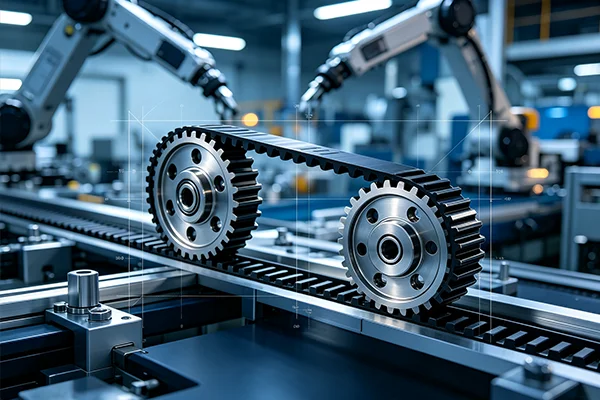
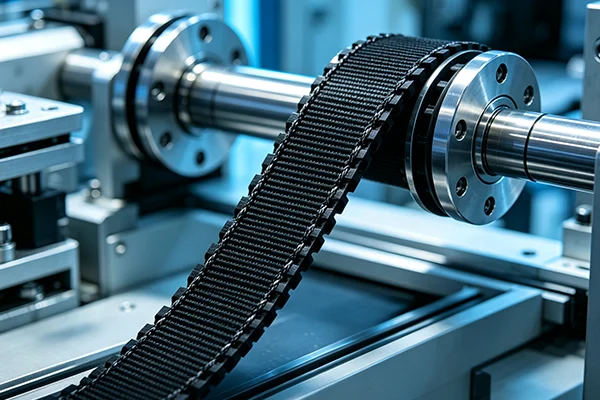
The global timing belt market is ushering in a new growth cycle in 2026, driven by the rapid development of intelligent manufacturing, new energy vehicles, and precision automation equipment. As a core synchronous transmission component, timing belts are widely used in automotive engine timing systems, robotic actuators, precision machine tools, and automated production lines, occupying a pivotal position in the industrial transmission chain.
What is a timing belt?
Working principle and key characteristics
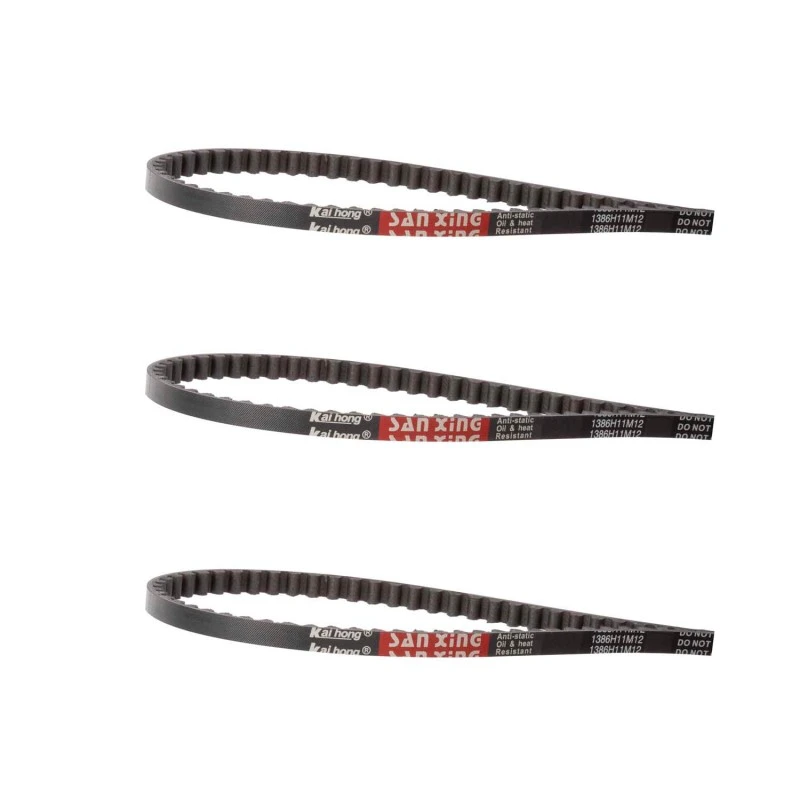
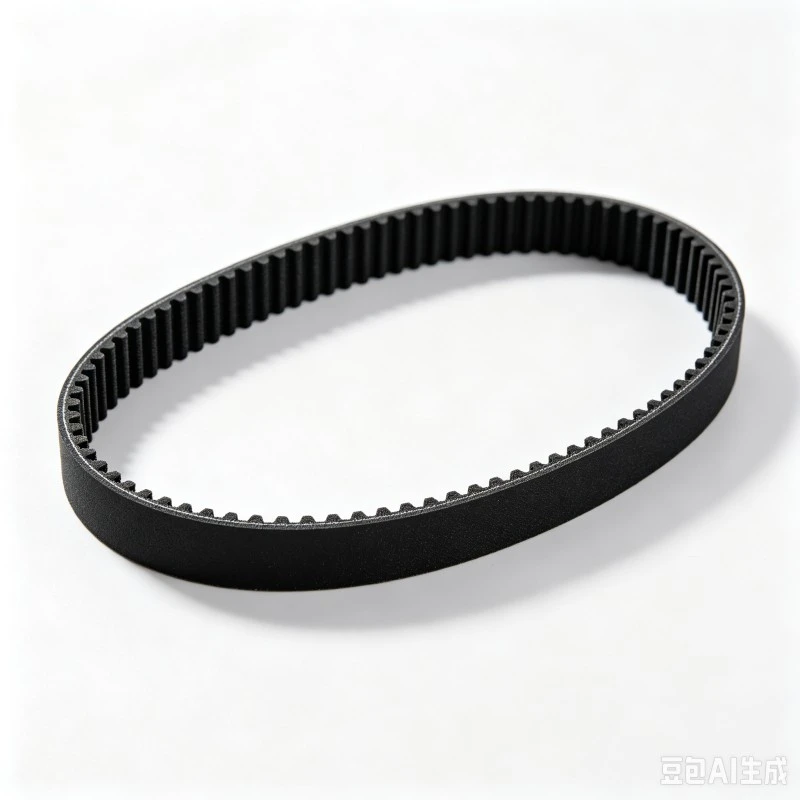
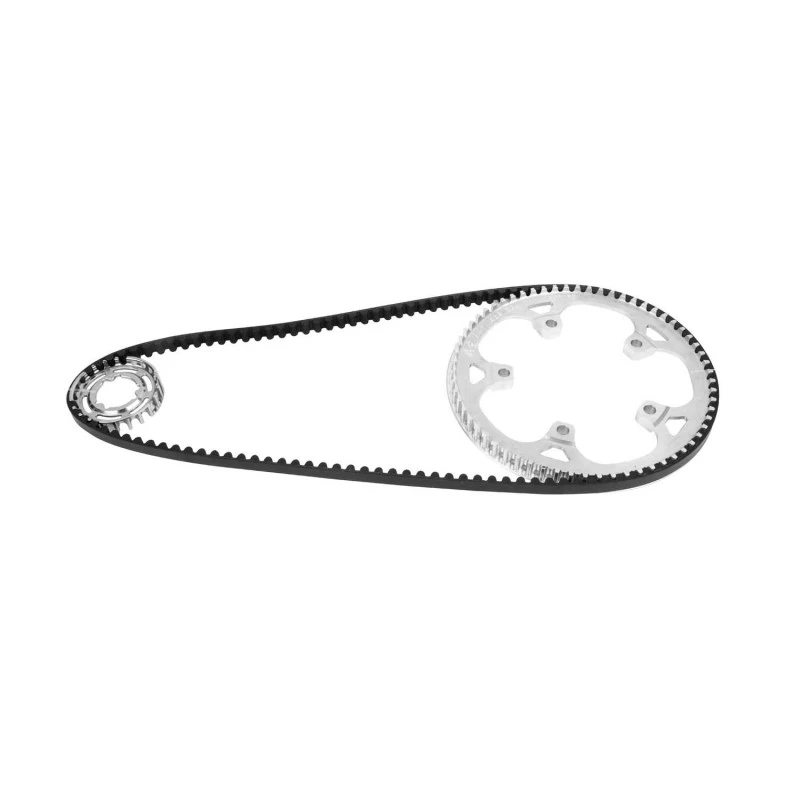
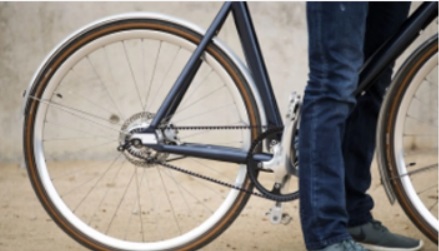
A timing belt is a toothed synchronous transmission belt that realizes zero-slip power transmission through precise meshing with timing pulleys, ensuring accurate synchronous operation of mechanical components. Different from friction-driven transmission belts, timing belts feature precise positioning, stable transmission, and no sliding deviation, which is irreplaceable in high-precision mechanical control scenarios.
Mainstream materials and working conditions
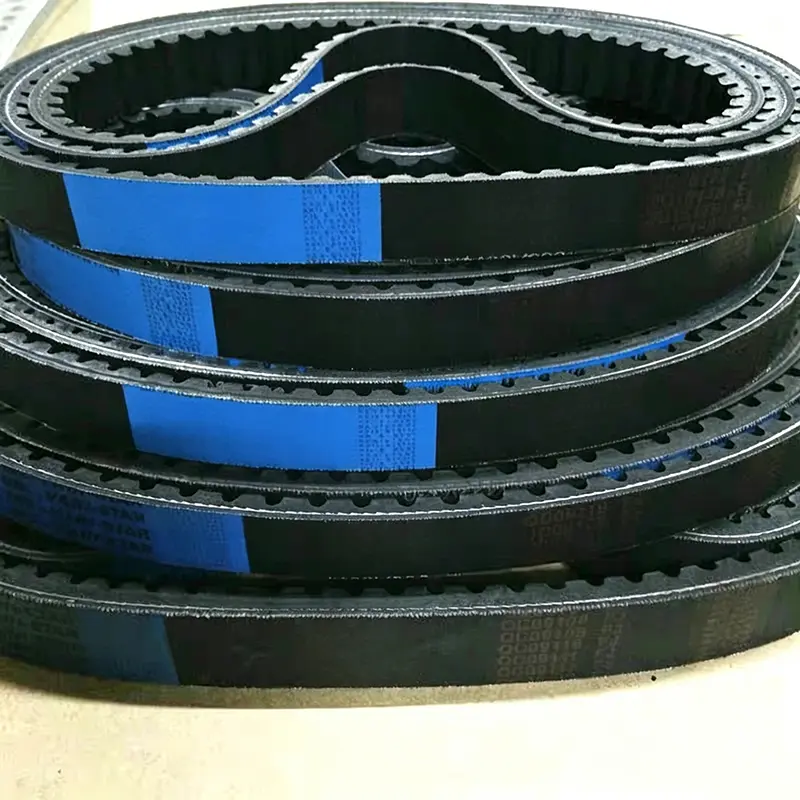
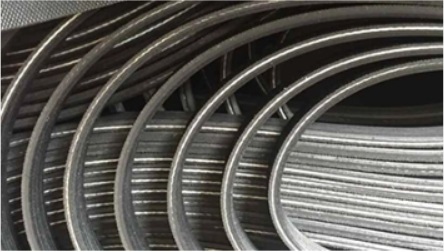
At present, mainstream timing belt products on the market cover neoprene rubber, polyurethane, and carbon fiber reinforced materials, adapting to low-speed heavy-load, high-speed precision, and extreme environment working conditions respectively.
Technology upgrades and innovative products
In recent years, with the upgrading of new energy vehicle thermal management systems and industrial intelligent production lines, the performance requirements for timing belt products have been continuously improved. Leading manufacturers have launched PFAS-free environmentally friendly timing belts, high-temperature resistant timing belts, and smart monitoring timing belts with built-in sensors, realizing breakthroughs in environmental protection performance, extreme weather adaptability, and predictive maintenance functions. The innovative upgrade of timing belt technology effectively reduces equipment downtime and improves the overall operational efficiency of industrial production lines.
Market outlook
Market data shows that the global timing belt market size will exceed USD 7.5 billion in 2026, and will maintain a stable growth trend in the next five years. With the continuous deepening of industrial automation and the rapid iteration of new energy vehicle technology, high-precision, long-life, and intelligent timing belt products will become the mainstream of the market, driving the continuous upgrading of the global power transmission industry.
We use cookies to offer you a better browsing experience, analyze site traffic and personalize content. By using this site, you agree to our use of cookies. Privacy Policy