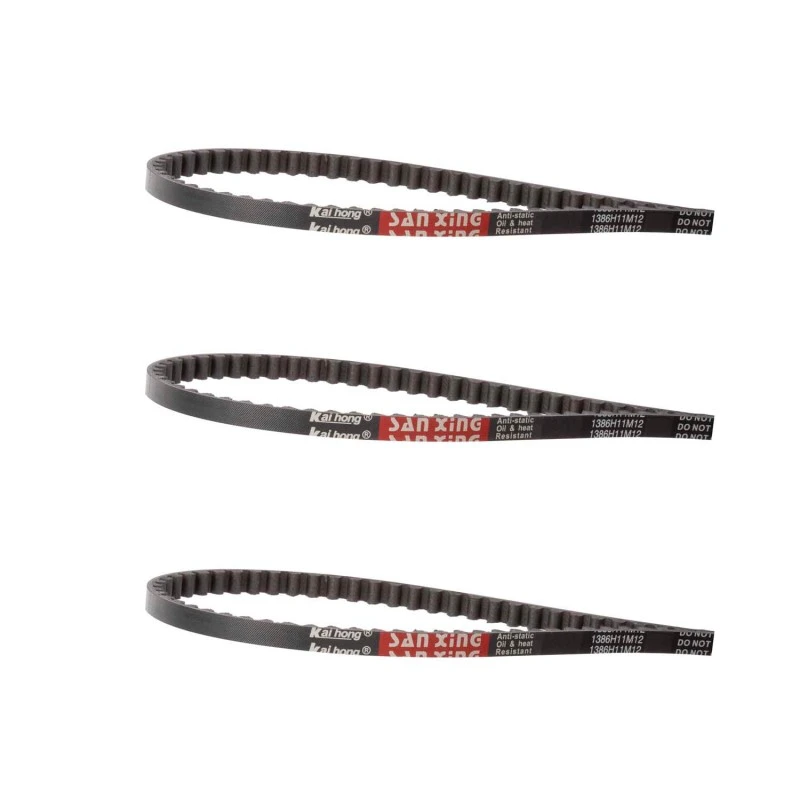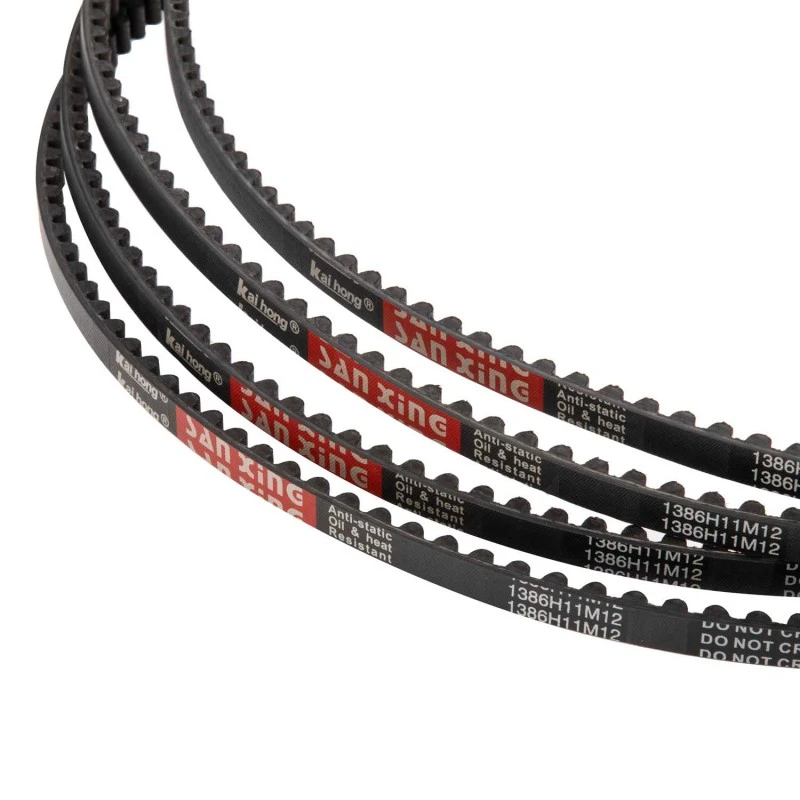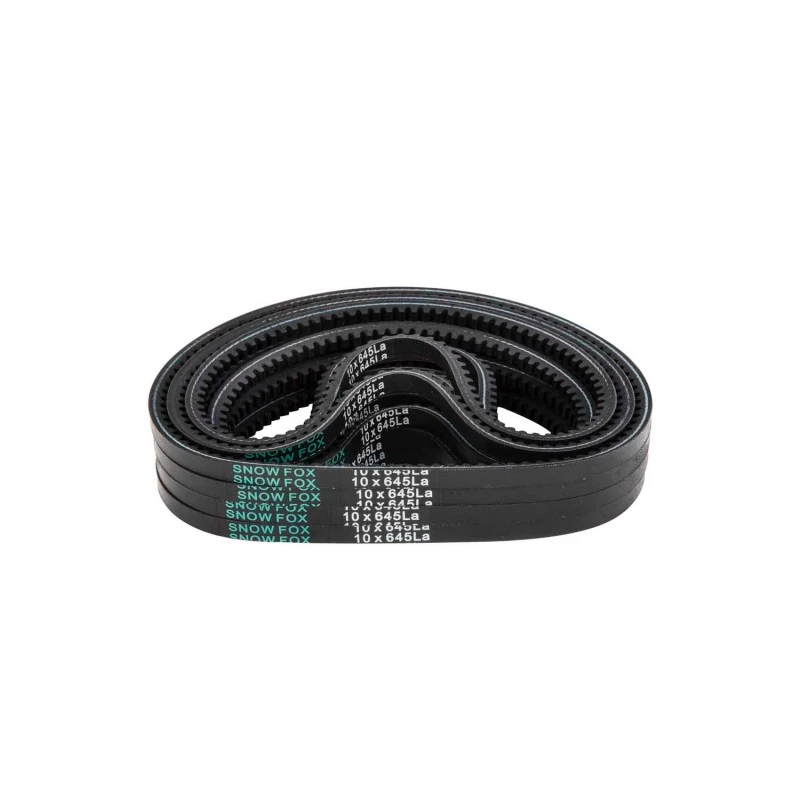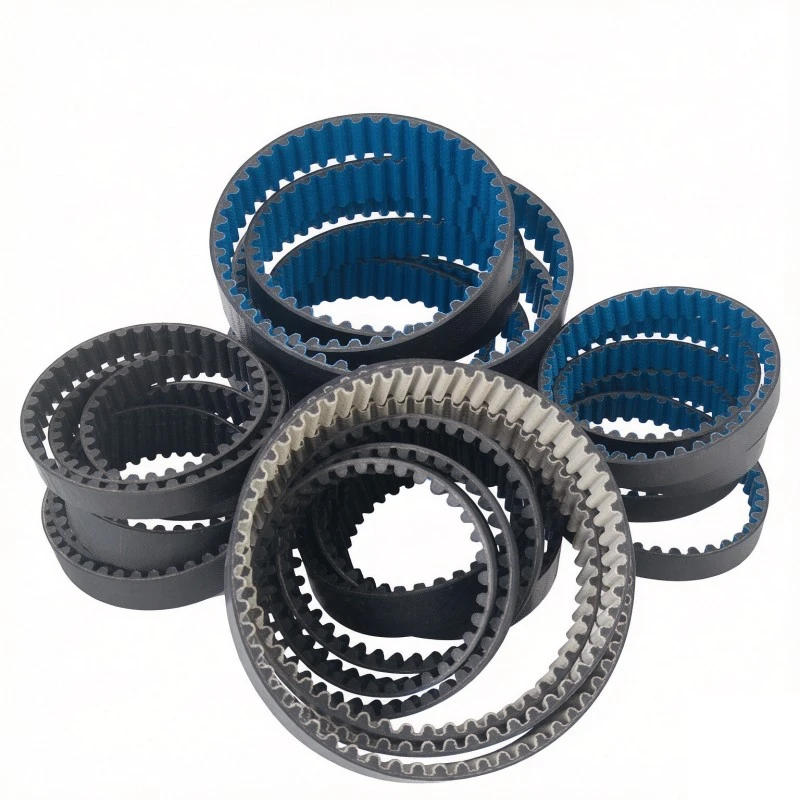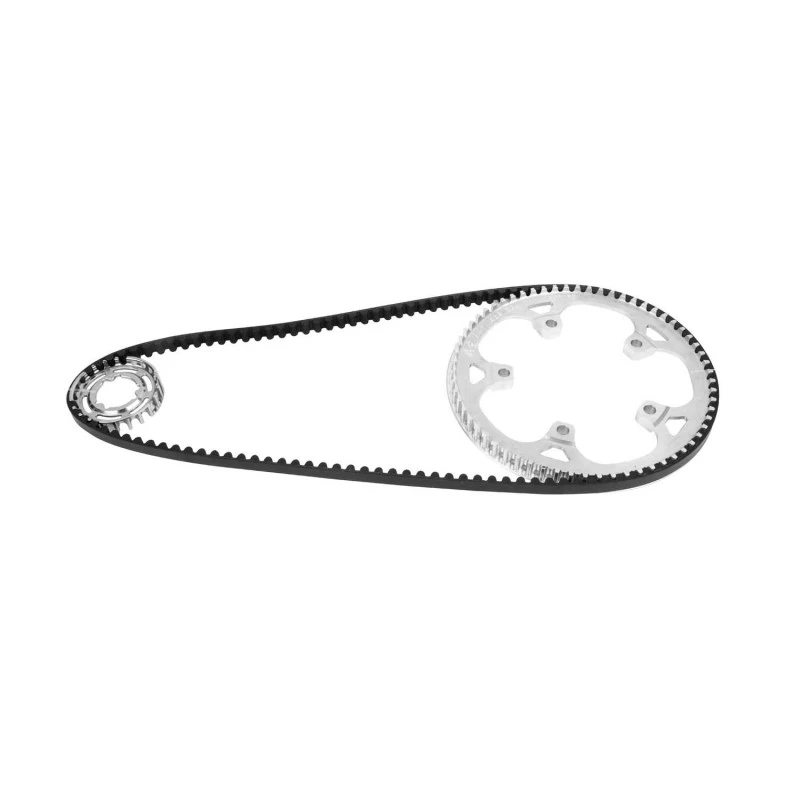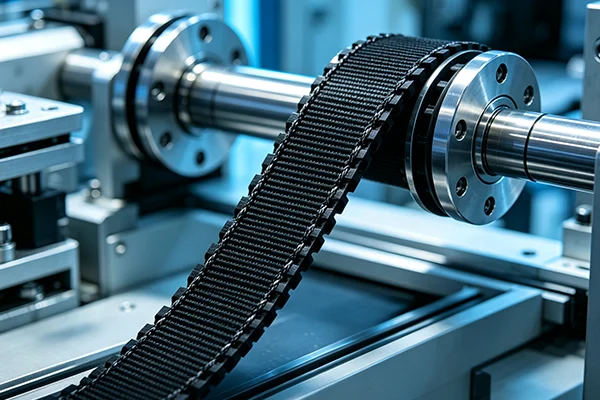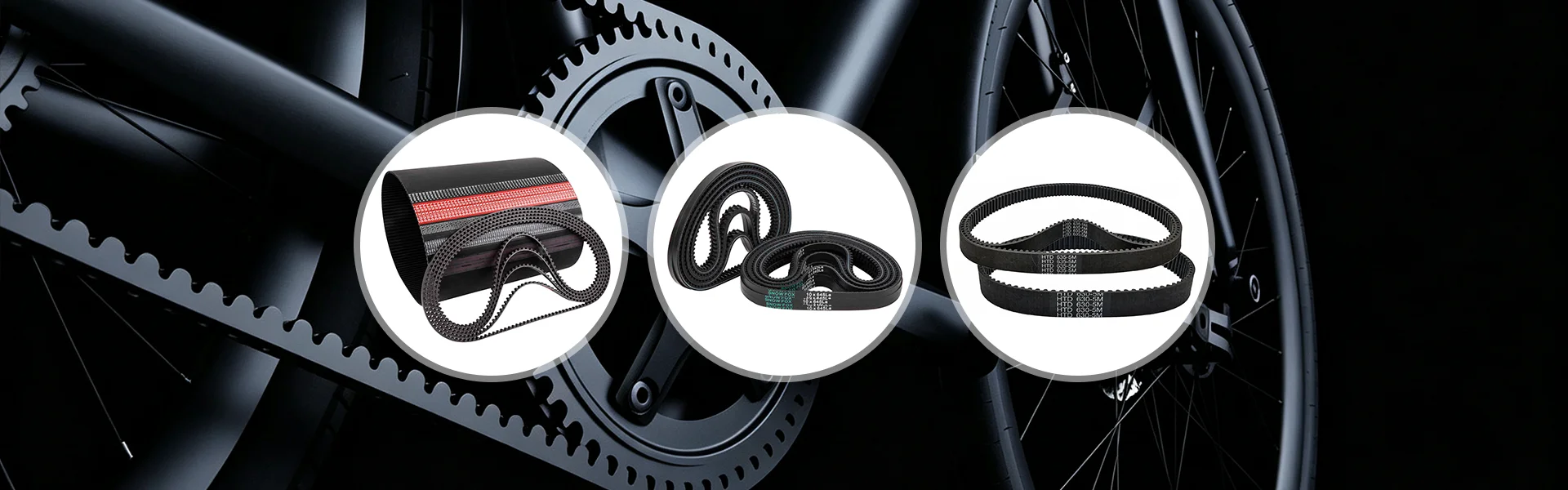
The most direct characteristic of a carbon cord is its elongation rate, which is far lower than that of fiberglass cord and steel cord. In fixed-center-distance transmissions, this characteristic translates into positioning retention capability: the belt creeps very little after long-term operation, and repeated positioning deviation does not drift noticeably with running time.
For equipment such as packaging machines, labeling machines, and small CNC tool-change axes—where “stopping accurately” matters more than “pulling force”—low elongation means fewer re-tensioning cycles and lower risk of cumulative error during multi-axis synchronization. Note that because the Carbon Cord Timing belts have low elongation, if the tension setting for a fiberglass belt is retained, bearing load will be too high; initial tension usually needs to be reduced by 10%–15%.
In multi-driven synchronization, the elongation differences of each belt directly add up to phase deviation. The low-creep characteristic of the carbon cord keeps the elongation of each axis close throughout the running cycle, reducing synchronization drift caused by a single belt “going slack first.” During acceptance, check the pitch length range across multiple belts from the same batch.
At the same belt width, the allowable peripheral force of a carbon cord timing belt can reach about twice that of a fiberglass cord product of the same specification. This is particularly useful in chain-replacement scenarios: for rolling, extrusion, and crushing equipment that originally required a chain or an extremely wide belt, switching to a carbon cord belt allows the width to be narrowed, thereby reducing overhung load at the shaft end.
Whether high torque density can be realized depends on tooth root shear resistance. During procurement, request tooth root shear test data for the corresponding tooth profile, rather than looking only at tensile strength.
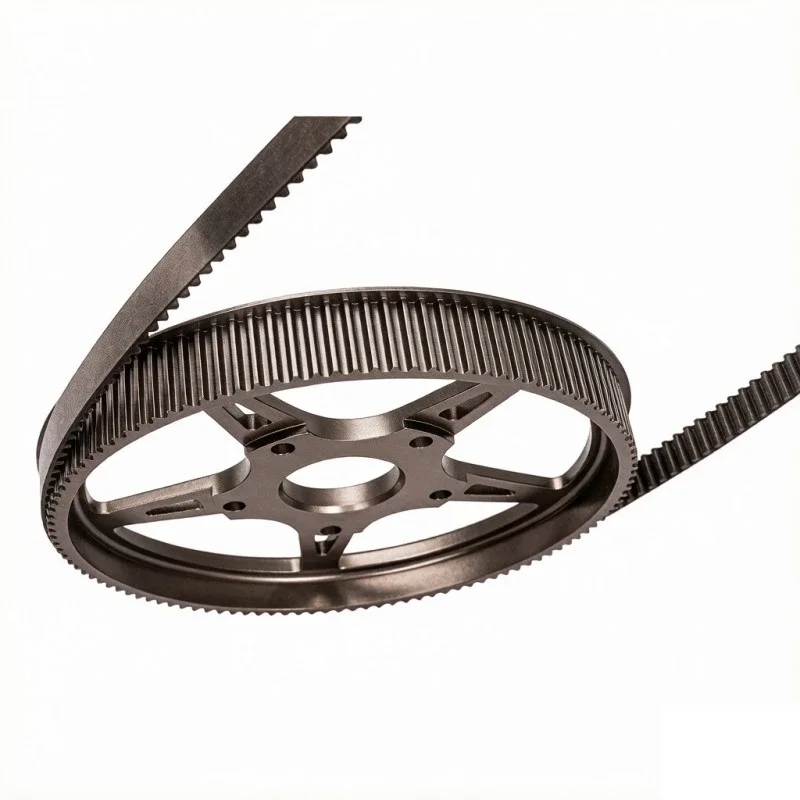
After the belt width is narrowed, pressure per unit area on the pulley tooth surface increases. The pulley tooth width and tooth surface hardness must be re-checked for compatibility. If the original wide-belt pulley is retained without verification, tooth surface wear rate may accelerate.
Bond layer failure often appears months after installation and is difficult to cover by incoming sampling. Purchasers may request the dipping treatment and curing degree records for the batch to be supplied with the goods, as indirect evidence of bonding quality.
If the equipment involves water washdown or high-humidity conditions, this should be stated during selection so that the hydrolysis-resistant components in the belt body compound can be confirmed as compatible.
Polyurethane belt bodies require attention to batch hardness consistency. When Shore A hardness deviates by more than ±3 between batches, the tension decay rate in long-center-distance transmissions will fluctuate.
Swelling signs on chloroprene rubber belt bodies appear relatively late after occasional oil contact. The first inspection cycle should be shortened accordingly, focusing on whether the belt back has softened or the tooth surface shows abnormal gloss.
When curvilinear teeth are used for chain replacement, selection should be based on actual peripheral force rather than motor rated power. Acceptance focuses on tooth root shear data and pulley tooth groove condition.
The carbon cord timing belts are extremely sensitive to pulley tooth groove wear. If the old pulley already shows step-shaped wear, a new belt often develops tooth root cracking well before its expected life.
Under the ISO 9001:2015 framework, Kaihong retains the vulcanization curve and hardness measurement records of each batch of compound. Purchasers may request that the batch data be supplied with the goods at first-article confirmation.
For OEM projects with large annual volumes, it is recommended to stipulate in the contract that three belts of the same specification be sampled from each batch, and that the pitch length be measured under standard tension, with a range across the three not exceeding 0.3 mm.