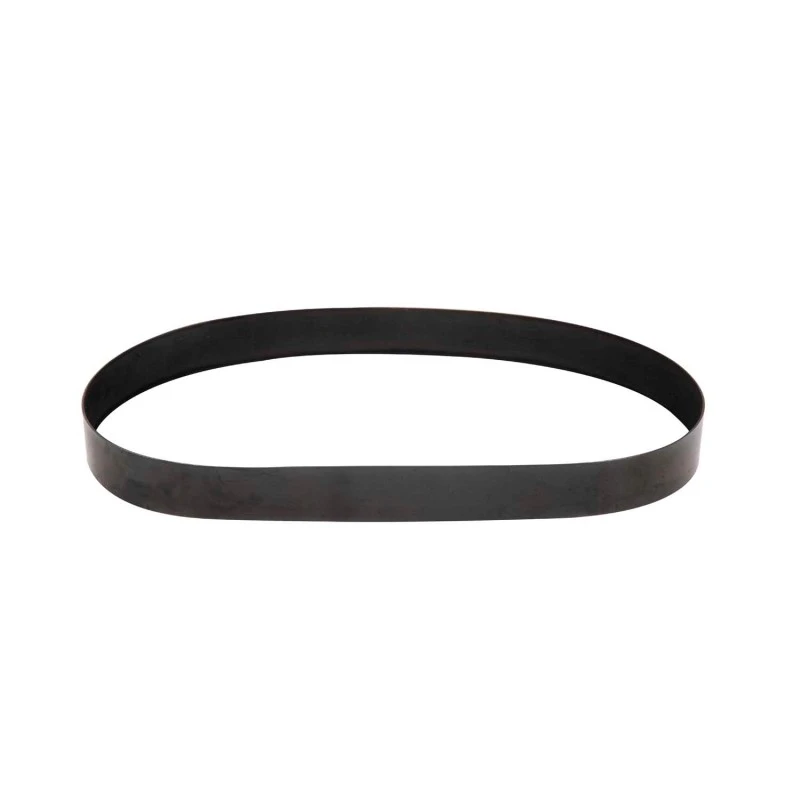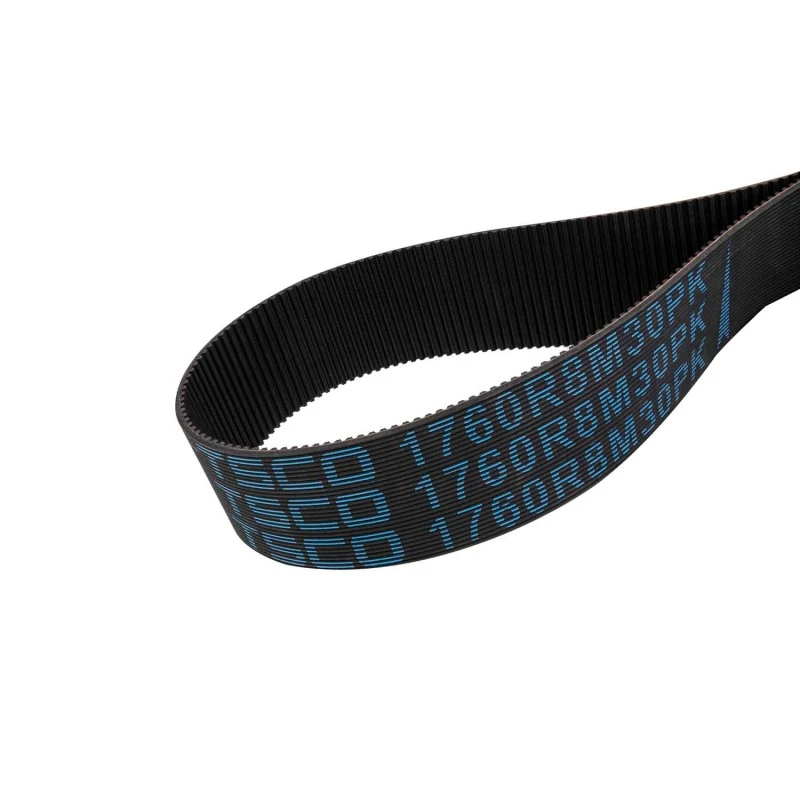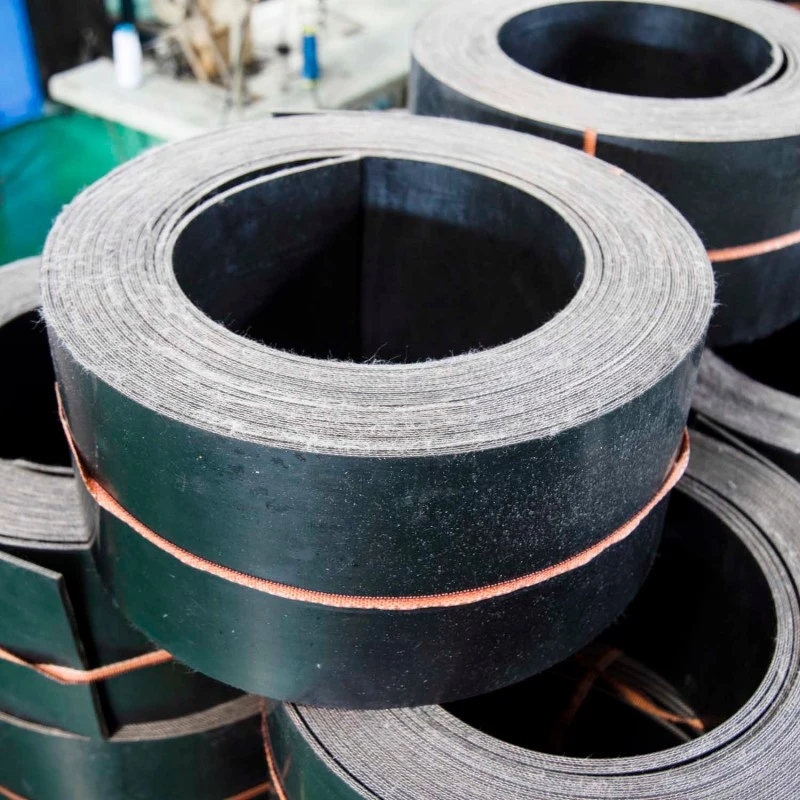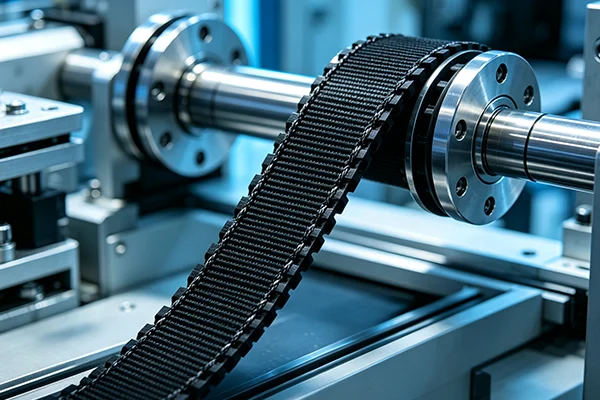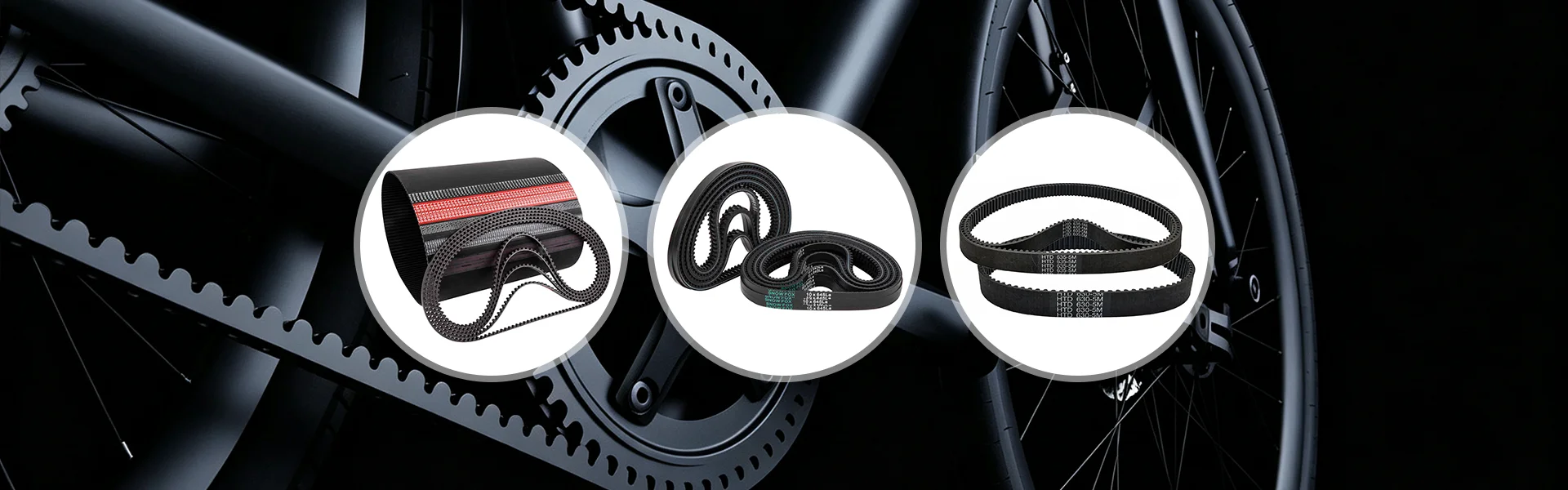
When sourcing a Variable Speed Belt, buyers need to consider more than belt dimensions and material composition. The belt must maintain stable power transmission while accommodating changes in rotational speed. Compatibility with variable-speed pulleys, friction performance, flexibility, and resistance to wear all influence operating stability, replacement frequency, and maintenance costs.
Kaihong holds ISO 9001:2015 and ISO 14001:2015 certifications. The following sections explain the key selection and maintenance factors that buyers should evaluate when choosing a Variable Speed Belt for industrial drive applications.
A variable-speed drive relies on consistent contact between the belt and the pulley surfaces to transmit power across different speed settings. Insufficient friction may cause slippage, heat buildup, and unstable output speed, while unsuitable belt compounds can accelerate wear. During procurement, confirm that the belt material is compatible with the pulley design, transmitted load, operating speed, and expected duty cycle.
Continuous operation and repeated speed changes can generate heat at the belt-pulley contact surfaces. Oil or grease contamination may also affect friction and material properties. Buyers should confirm the specified operating temperature range and resistance to the actual lubricants present in the application. After installation, inspect the belt for glazing, hardening, cracking, or swelling, which may indicate unsuitable operating conditions or material incompatibility.
Variable-speed drives often use adjustable pulleys that change the effective running diameter to regulate output speed. The belt profile, width, thickness, and side angle must match the pulley grooves to maintain proper contact throughout the adjustment range. A belt with an incorrect profile may sit too high or too low in the groove, leading to unstable transmission, excessive wear, or reduced speed adjustment capability.
Before purchasing a replacement, confirm the drive's minimum and maximum rotational speeds, pulley diameter range, and required transmission ratio. The selected Variable Speed Belt must operate reliably across the intended adjustment range without excessive bending, loss of contact, or interference with surrounding components. Compatibility should be checked against the equipment manufacturer's specifications rather than determined by nominal belt dimensions alone.
The appropriate belt construction depends on transmitted power, starting torque, load fluctuations, rotational speed, and operating frequency. A belt that is undersized for the application may stretch, slip, or wear prematurely, while an unnecessarily stiff construction may reduce flexibility and increase stress during pulley adjustment. Provide the supplier with the motor power, operating speed range, driven equipment type, and expected load profile to support accurate selection.
A Variable Speed Belt may experience repeated bending and changes in its running position as the pulley ratio changes. The belt therefore needs sufficient flexibility and fatigue resistance for the intended operating cycle. During supplier evaluation, review the specified construction, allowable speed range, and service conditions. For demanding applications, request relevant performance data or test records instead of relying exclusively on tensile strength.
Misaligned pulleys can create uneven contact pressure across the belt, resulting in localized wear, vibration, and reduced transmission efficiency. Before installing a replacement, inspect pulley alignment, shaft positioning, groove condition, and bearing movement. Correcting alignment problems before fitting the new belt helps prevent premature failure and avoids unnecessary replacement costs.
Worn, contaminated, or damaged pulley grooves can prevent the belt from maintaining consistent contact. Remove accumulated dirt and oil using an appropriate cleaning method, and check for scoring, deformation, or uneven wear. If the pulley profile has deteriorated beyond the equipment manufacturer's limits, replacing the belt alone may not resolve slipping or unstable speed transmission.
Insufficient tension may cause slippage during acceleration or under increased load, whereas excessive tension can raise shaft and bearing loads. Set the installation tension according to the equipment manufacturer's instructions and the belt specification. Avoid using excessive tension as a substitute for correcting pulley wear, contamination, or incorrect belt sizing.
After installation, monitor belt tracking, temperature, vibration, and transmission stability during the initial operating period. Recheck tension at the interval recommended by the manufacturer, particularly after the belt has completed its initial running period. If tension changes unexpectedly, inspect the belt and drive components before making further adjustments.
Provide the existing belt designation, belt dimensions, pulley profile, motor power, minimum and maximum operating speeds, and expected load conditions. Photos or drawings of the pulley system can also help the supplier verify compatibility and identify any special installation requirements.
Common causes include incorrect tension, worn pulley grooves, oil contamination, excessive load, and an incompatible belt profile. Inspect these factors before replacing the belt. If slipping occurs mainly during acceleration or at certain speed settings, check whether the drive is operating within its specified load and speed range.
Use a belt that matches the pulley profile and operating conditions, maintain the recommended tension, and keep the pulley surfaces clean. Regularly inspect the belt for glazing, cracks, deformation, and abnormal wear. Maintaining proper alignment and correcting excessive loads can also help improve operating reliability and reduce unplanned downtime.