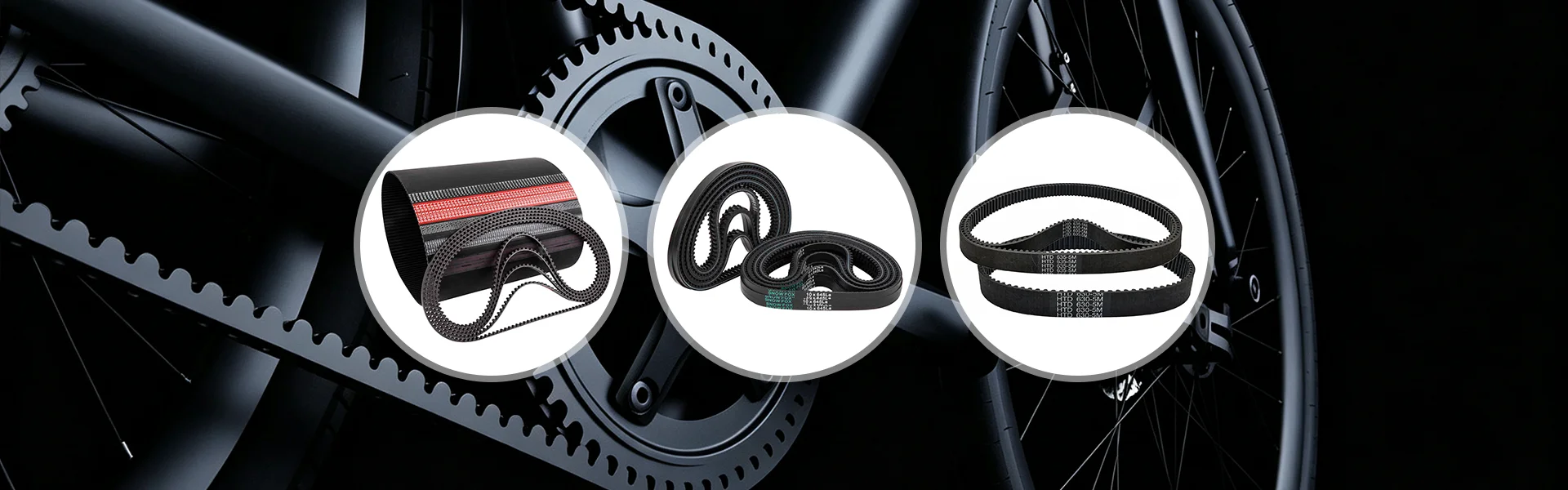
The procurement requirements for a Flour Mill Belt differ from those for general industrial belts. Flour milling equipment often operates for extended periods, and the cost of downtime for belt replacement can far exceed the price of the belt itself. At the same time, mill rolls require stable differential-speed transmission. Belt slippage or tooth jumping can affect the grinding process, resulting in inconsistent flour particle size and reduced production efficiency.
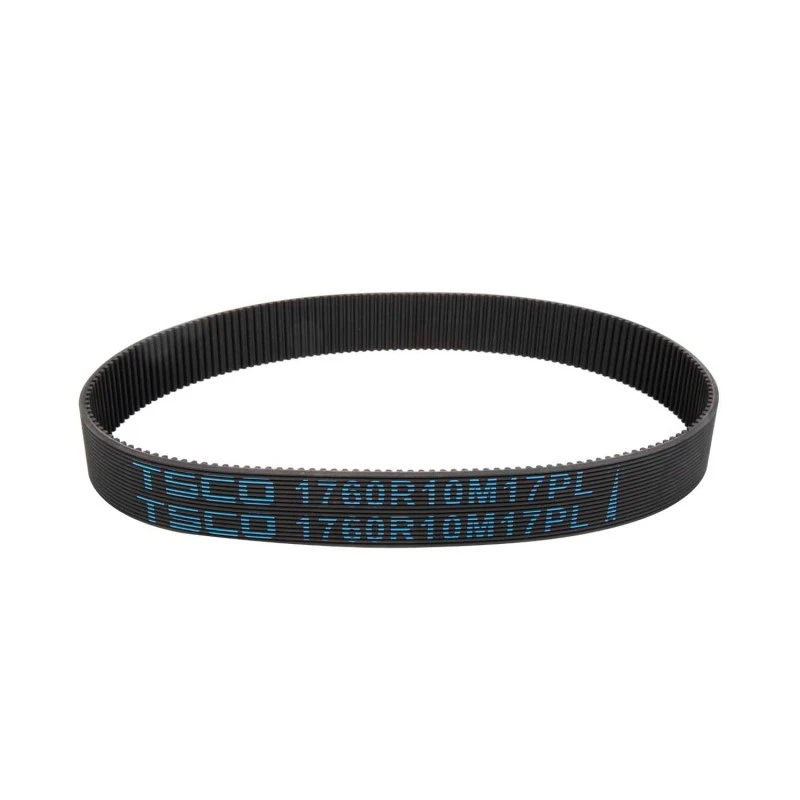
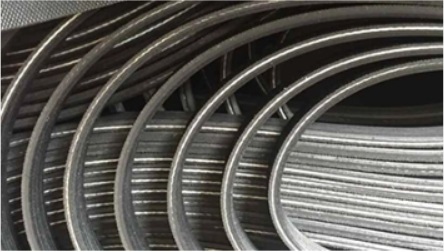
A typical Flour Mill Belt may feature a double-sided structure, with synchronous teeth on one side and multi-rib grooves on the other, or multi-rib grooves on both sides, depending on the equipment design. This configuration supports the belt routing required by differential-speed roller mills, where the fast and slow rolls must maintain a specified speed ratio to shear grain effectively. The synchronous tooth side provides accurate speed transmission, while the multi-rib side delivers frictional contact across multiple pulleys.
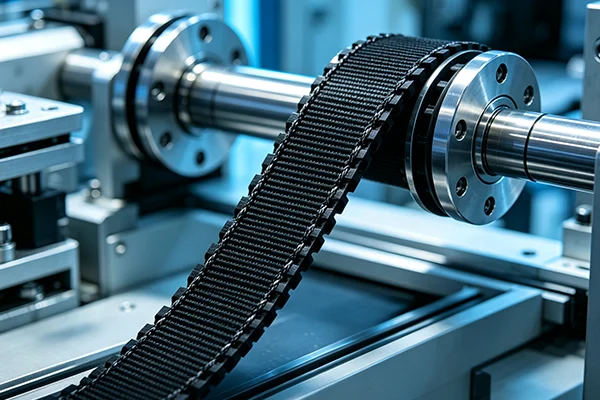
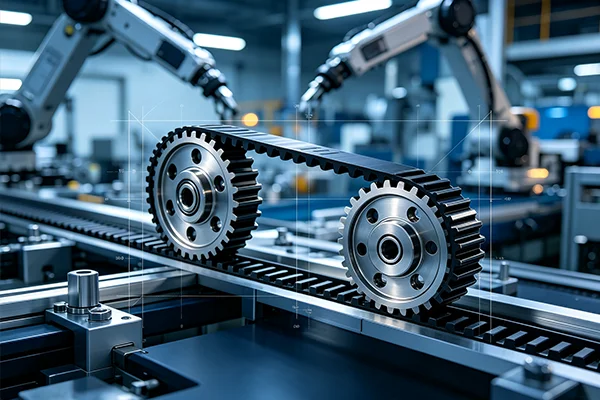
The synchronous tooth side helps maintain the required speed ratio between the fast and slow rolls, while the multi-rib side provides frictional drive for the connected pulleys. During procurement, confirm that the tooth profile, pitch, rib dimensions, and pulley specifications match the original equipment. When components from different manufacturers are used together, verify compatibility carefully to avoid premature wear and unstable transmission.
Both sides of a double-sided belt may transmit power, but the actual load distribution depends on the drive configuration and installation routing. During replacement, follow the equipment manufacturer's routing diagram and load requirements. Incorrect installation can overload one side of the belt, accelerating tooth-root damage, rib wear, or fatigue failure.
Uneven grain feeding, foreign objects, or a sudden increase in grinding resistance can create transient overloads in flour milling equipment. The friction-driven multi-rib side may slip under certain overload conditions, depending on the belt design and operating tension. However, this should not be treated as a guaranteed overload protection function. The drive system must be evaluated as a whole to determine how effectively it protects the motor, shafts, and rollers.
After noticeable slippage, inspect the rib surfaces for glazing, heat damage, cracks, or abnormal wear. Before adjusting tension, check whether the belt has suffered permanent damage. If the ribs have lost significant height or the rubber has hardened, additional tension may not restore the original friction performance, and belt replacement may be necessary.
If the synchronous side jumps teeth under excessive load, the speed ratio between the fast and slow rolls may change, affecting grinding consistency. When selecting a Flour Mill Belt, evaluate tooth engagement, tooth-root strength, effective load capacity, and compatibility with the existing pulleys rather than relying solely on overall tensile strength. Proper tension and alignment are also essential for reducing the risk of tooth jumping.
Flour milling facilities can contain combustible dust, making static electricity control an important part of drive-system safety. A Flour Mill Belt used in these environments may need to meet specified antistatic or electrical conductivity requirements, depending on the equipment design and applicable safety standards. Procurement teams should verify the required electrical properties rather than assuming that a conventional industrial belt is suitable for flour processing.
During incoming inspection, request relevant electrical resistance test reports, batch inspection records, or declarations of conformity from the supplier. Black rubber construction alone does not demonstrate antistatic performance. Confirm that the test method, acceptance limits, and documentation meet the requirements of the intended application.
Flour dust can accumulate on belt surfaces, pulleys, and surrounding equipment during long operating cycles. Follow the equipment manufacturer's cleaning and maintenance procedures to control dust buildup and maintain reliable drive performance. Avoid cleaning methods that introduce ignition sources or create additional airborne dust, and include dust control and electrical inspection in the preventive maintenance plan.
Lubrication points and bearing housings near flour milling drives may expose belts to small amounts of oil or grease. Depending on the compound, prolonged exposure can cause swelling, softening, reduced friction, or material degradation. When choosing a Flour Mill Belt, confirm the belt material's compatibility with the actual operating environment instead of assuming that all rubber compounds provide the same oil resistance.
EPDM compounds are commonly valued for their heat, weathering, and aging resistance. However, standard EPDM generally has limited resistance to mineral oils and petroleum-based lubricants. If oil contamination is possible, verify the compound's compatibility with the specific lubricant and operating temperature. Do not rely on a general temperature rating alone to determine suitability for a flour mill drive.
Polyurethane can offer good abrasion resistance and resistance to many oils, depending on its formulation. Its flexibility and performance at low temperatures vary by grade, so the intended operating conditions must be considered. For flour milling equipment exposed to oil contamination or demanding wear conditions, compare polyurethane and rubber belt options against the required pulley geometry, operating temperature, load, and service life.
Belt tension directly affects transmission stability and the service life of connected components. Insufficient tension may cause slippage and heat buildup, while excessive tension can increase radial loads on pulley bearings and shafts. For a Flour Mill Belt, the correct tension should be based on the equipment manufacturer's specifications and the actual drive configuration.
Use a suitable tension gauge and follow the recommended tension values or installation procedure instead of relying only on manual feel. After the initial operating period, recheck tension according to the manufacturer's maintenance instructions. If tension changes significantly, inspect the installation, alignment, belt condition, and pulley wear before making further adjustments.
When multiple belts operate in parallel, replace them as a matched set where required by the drive design. Confirm that the replacement belts meet the specified length and dimensional tolerances. Mixing new and worn belts can lead to uneven load distribution, inconsistent elongation, and premature failure of individual belts.
Not without checking compatibility. Flour milling drives may require specific tooth profiles, rib dimensions, transmission ratios, and antistatic properties. A standard industrial belt should only be used when its mechanical specifications and safety-related performance meet the equipment manufacturer's requirements.
Check belt tension, pulley alignment, groove condition, contamination, and signs of heat damage or rib wear. If the belt has suffered permanent deformation or surface deterioration, tension adjustment alone may not resolve the problem. Identify the cause before deciding whether to adjust or replace the belt.
Request inspection records covering belt length, dimensional tolerances, material properties, and any required antistatic performance. For multi-belt drives, specify acceptable length variation and matching requirements in the purchase order. Consistent dimensions and verified material properties help reduce installation problems and uneven loading during operation.