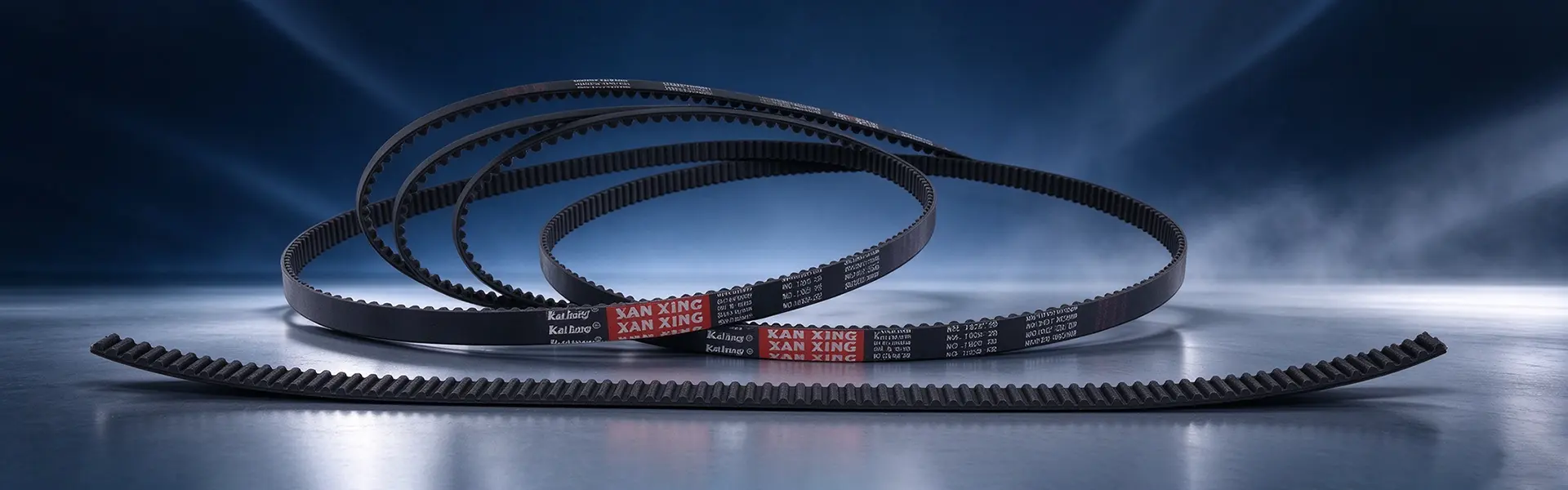
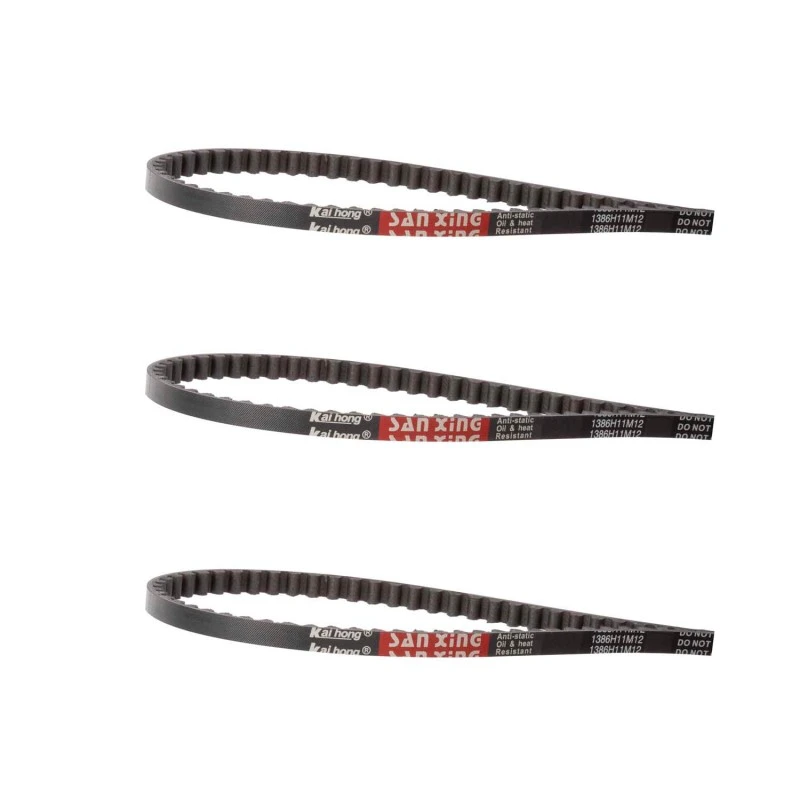
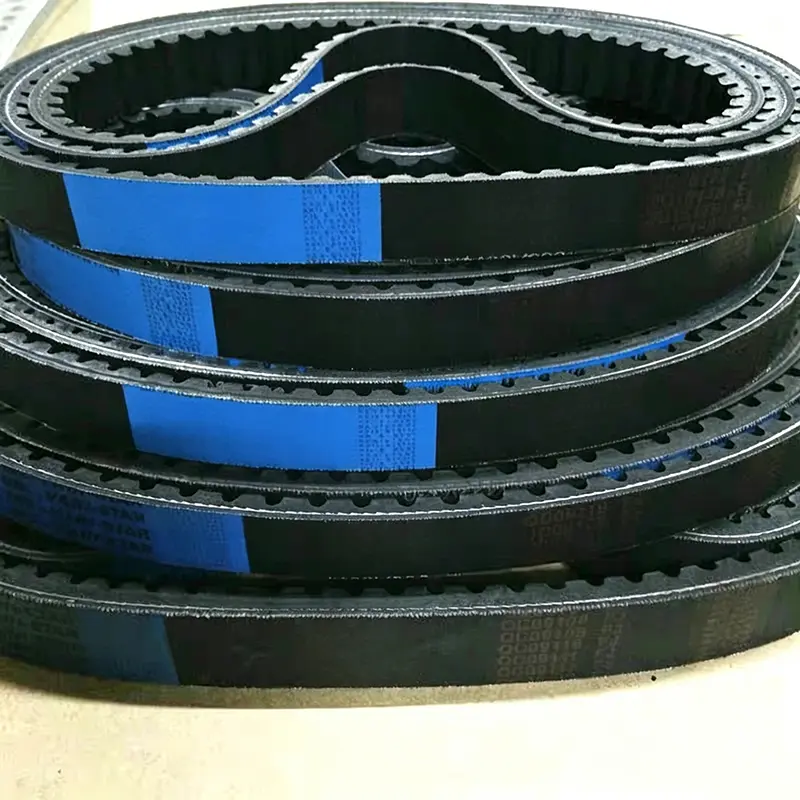
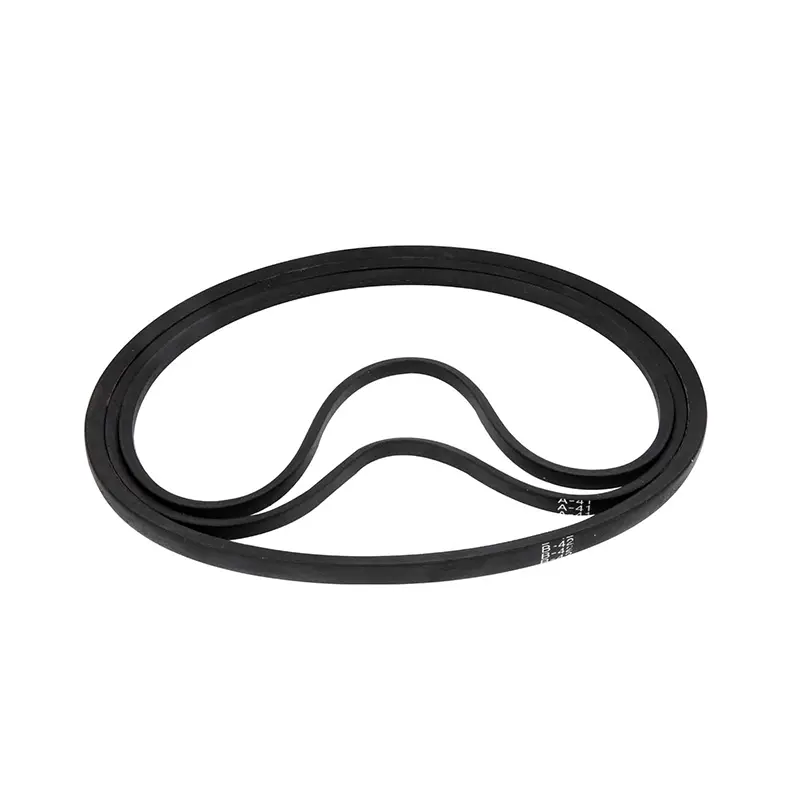
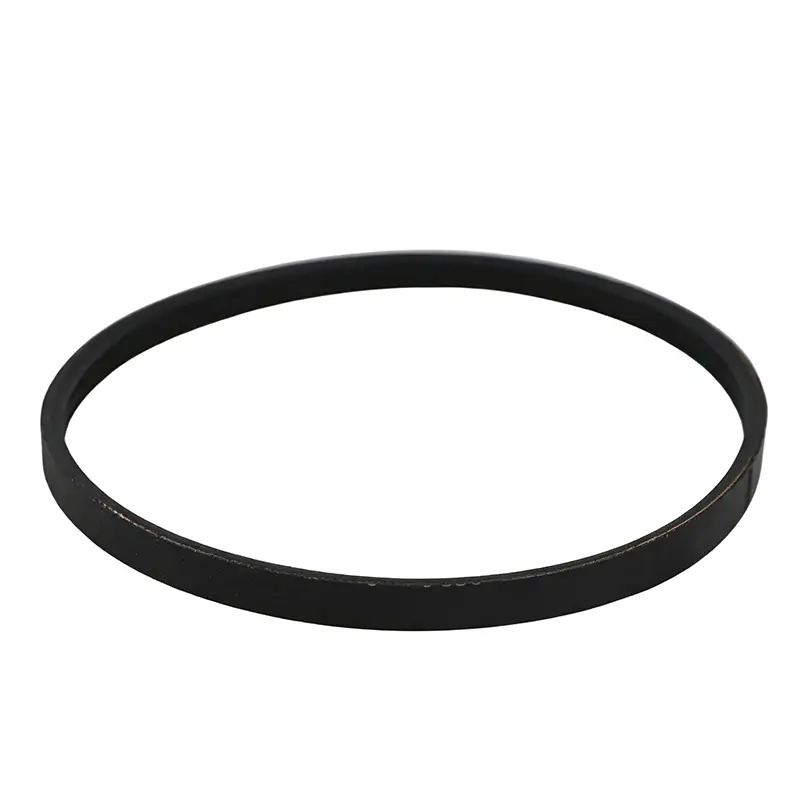
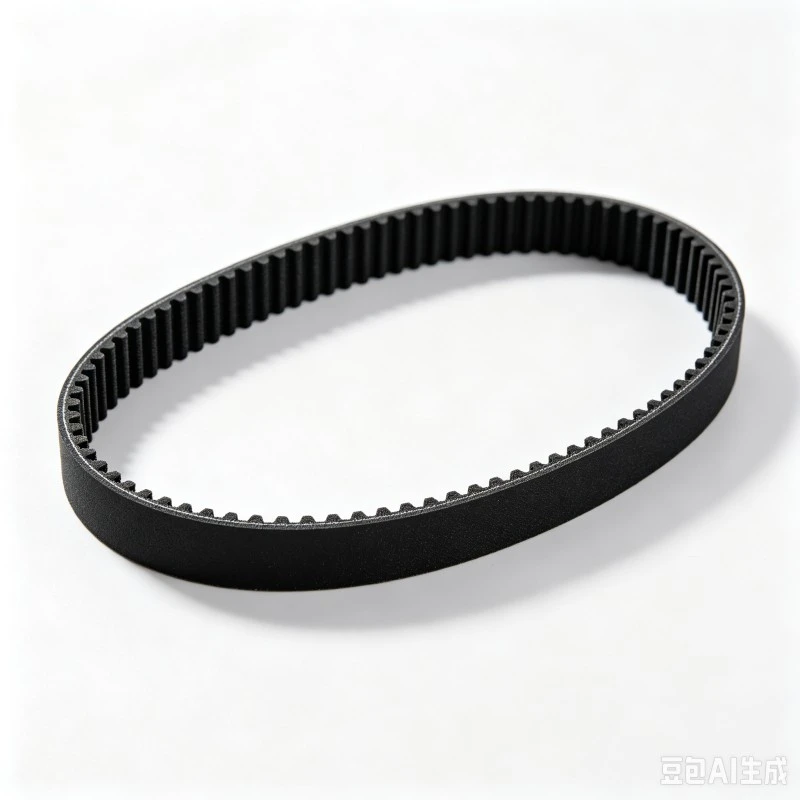
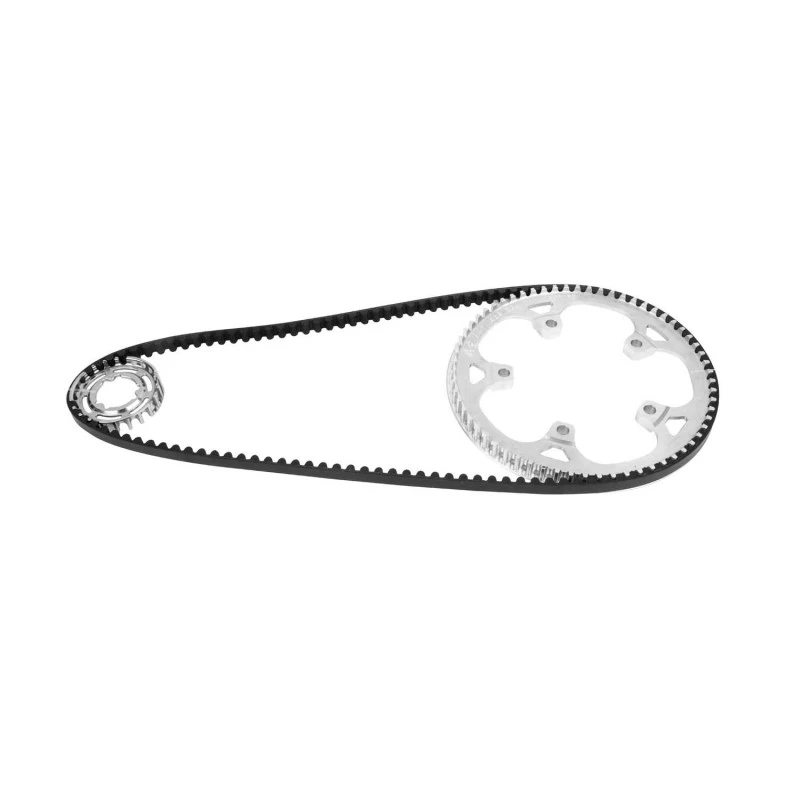
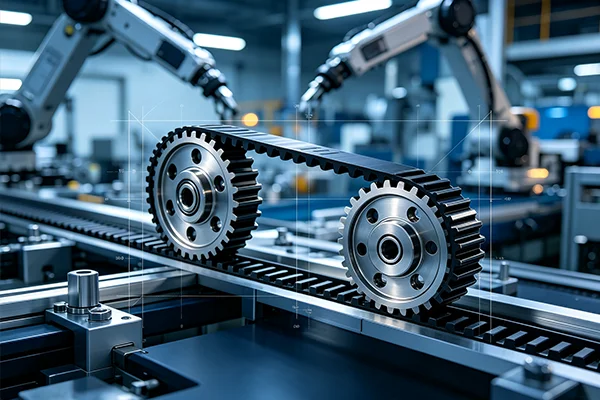
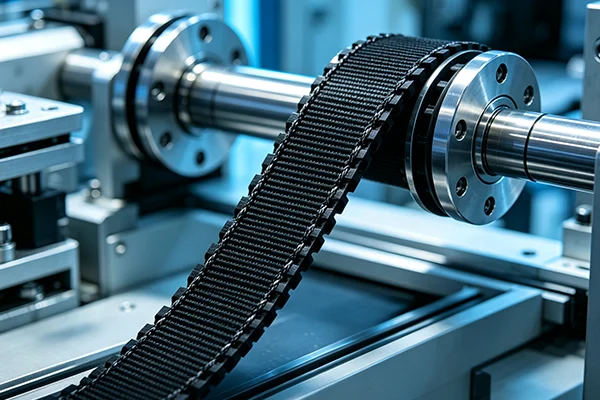
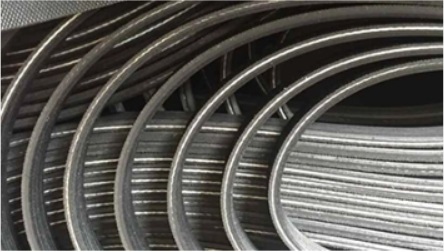
Poly V belt, also known as multi-rib belt, has emerged as a key high-efficiency transmission component in global industrial and automotive fields in 2026, favored for its compact structure, low noise, and superior power transmission capacity. As industries pursue energy conservation, noise reduction, and miniaturization of mechanical equipment, poly V belts have completely replaced traditional single V belts in many high-frequency transmission scenarios, becoming the standard configuration for modern mechanical transmission systems.
Core advantages of the multi-rib design
Efficient power transmission with small tension and wrap angle
The core advantage of the poly V belt lies in its multi-rib contact design, which increases the contact area with the pulley and realizes efficient power transmission under small tension and small wrap angle.
Noise reduction and energy efficiency
Compared with traditional V belts, high-performance poly V belts reduce transmission noise by 15-20%, improve energy efficiency by over 95%, and feature excellent flexibility and bending resistance.
Material durability for complex conditions
Made of high-quality synthetic rubber and reinforced fiber materials, modern poly V belts are resistant to oil, high temperature, and aging, adapting to complex working conditions such as automotive engine accessory drive systems, HVAC equipment, industrial fans, and small precision machinery.
Customized products and application expansion
In the automotive aftermarket and industrial supporting markets, customized poly V belt products continue to iterate. Manufacturers have launched low-friction, wear-resistant upgraded models that effectively reduce equipment vibration and extend the service life of pulleys and auxiliary components. For household appliances, industrial automation equipment, and commercial refrigeration systems, poly V belts meet the dual needs of stable operation and energy-saving consumption reduction, helping enterprises reduce equipment operation and maintenance costs.
Market outlook
Driven by the booming automotive and intelligent equipment industries, the global poly V belt market scale continues to expand. Industry reports show that the demand for high-performance poly V belts will keep growing steadily in 2026, with lightweight, low-noise, and long-life products becoming the main development trend of the industry.
We use cookies to offer you a better browsing experience, analyze site traffic and personalize content. By using this site, you agree to our use of cookies. Privacy Policy