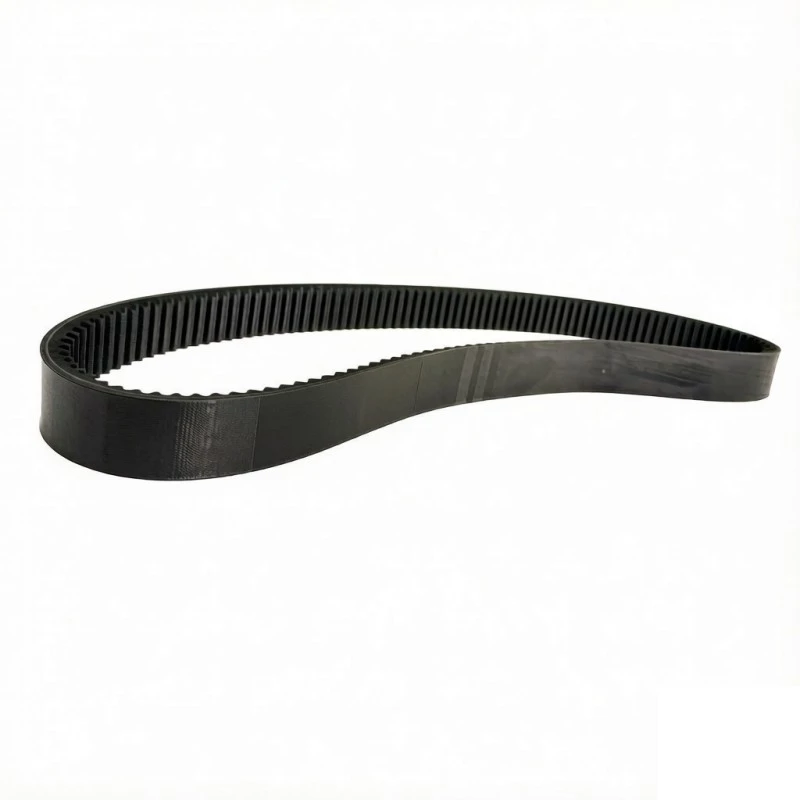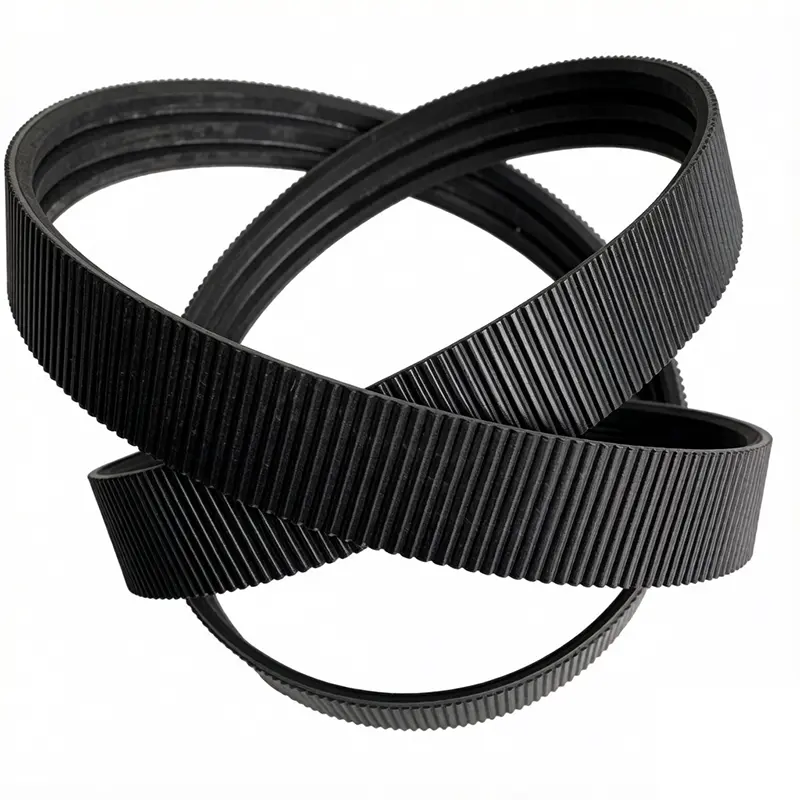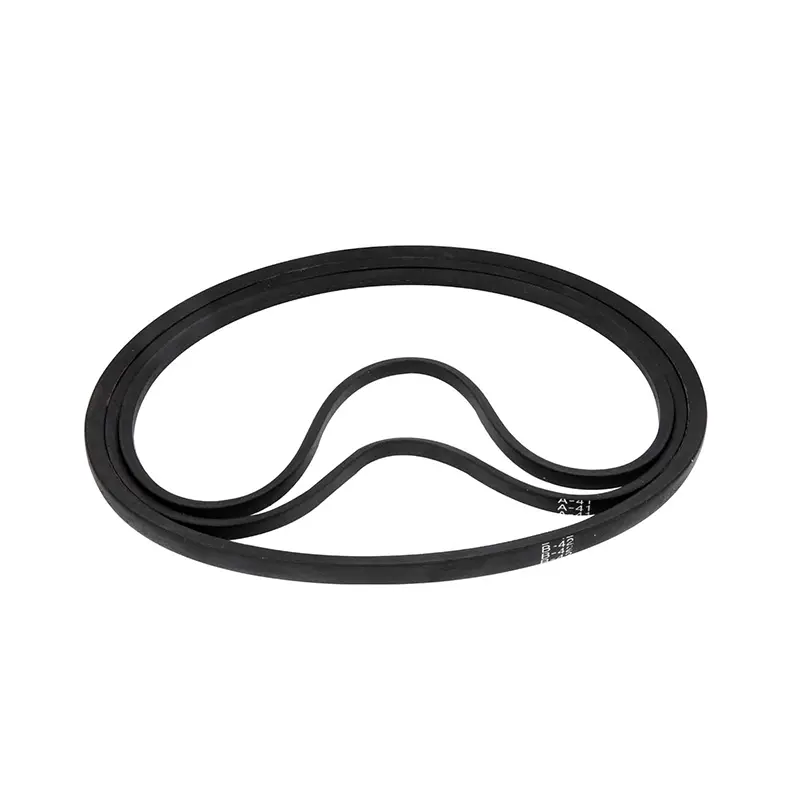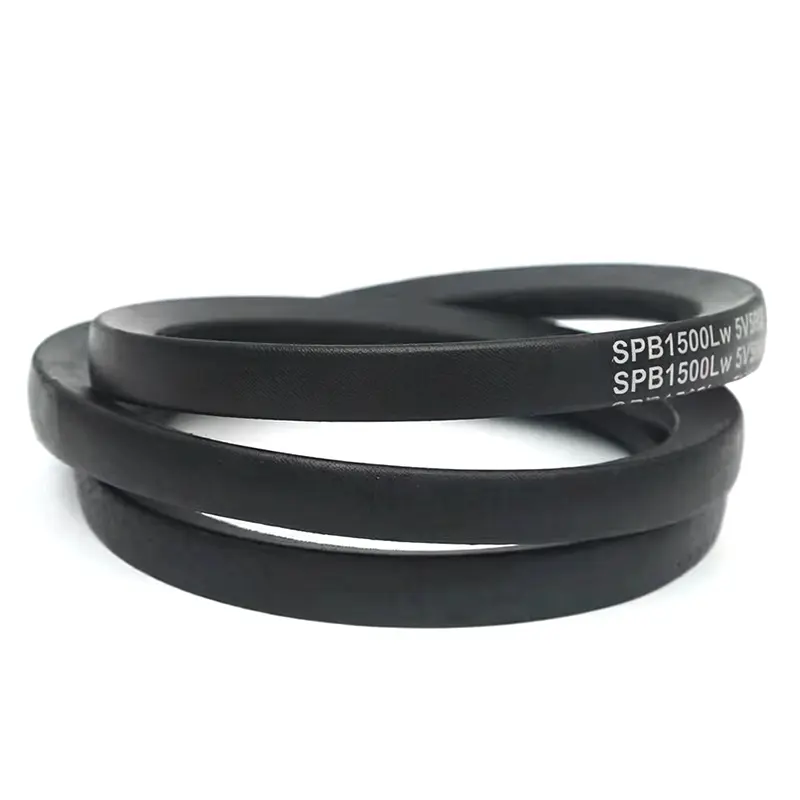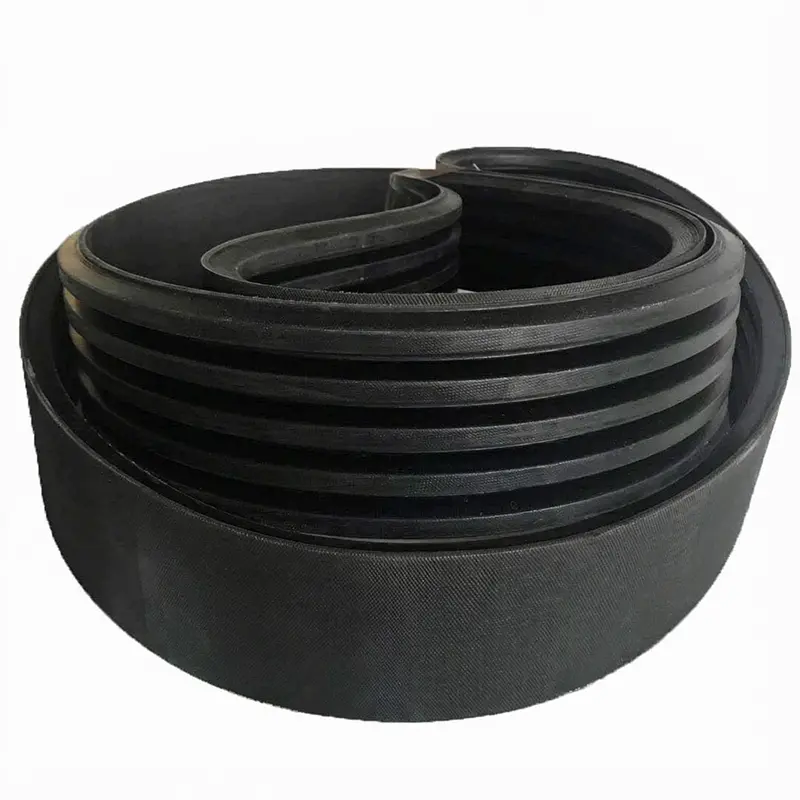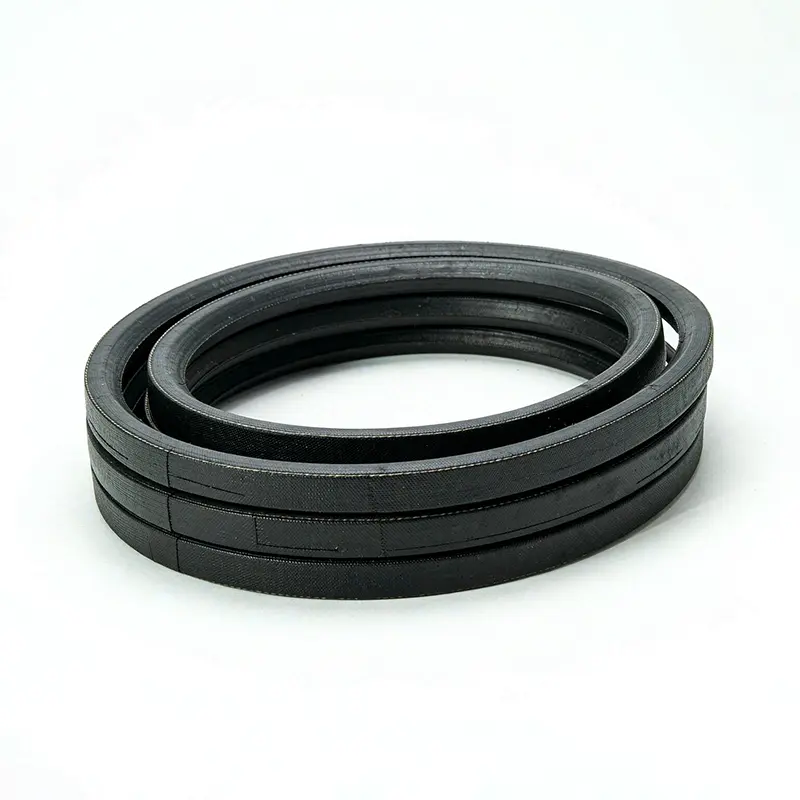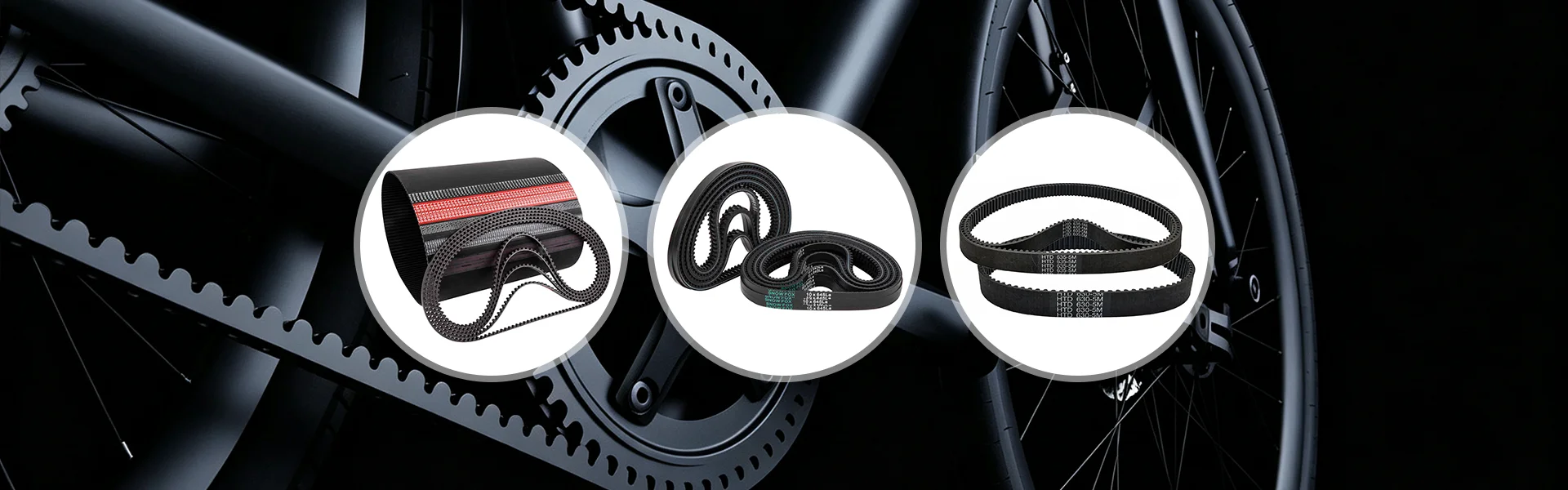
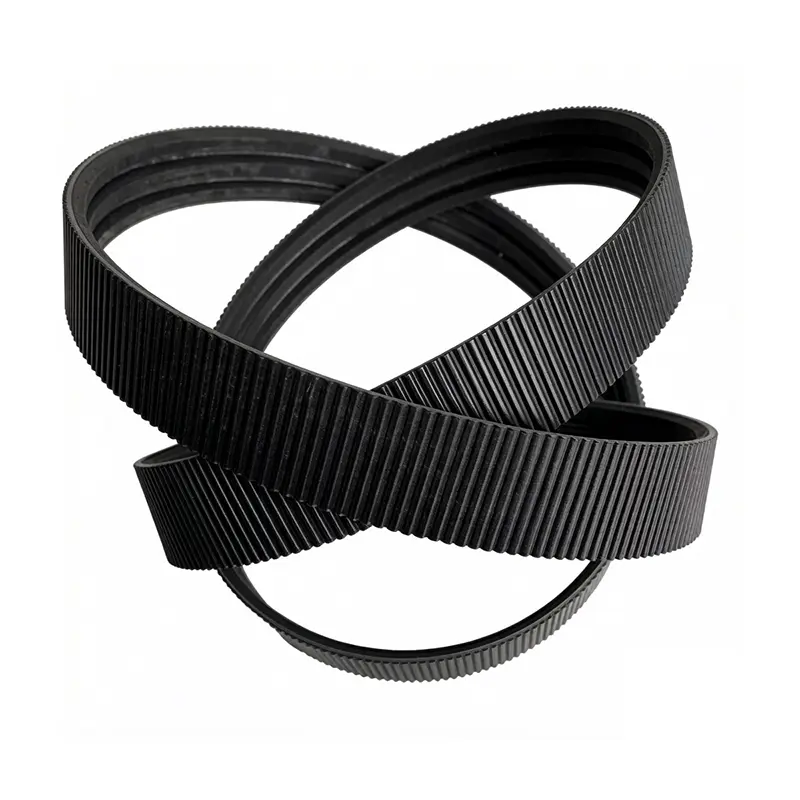
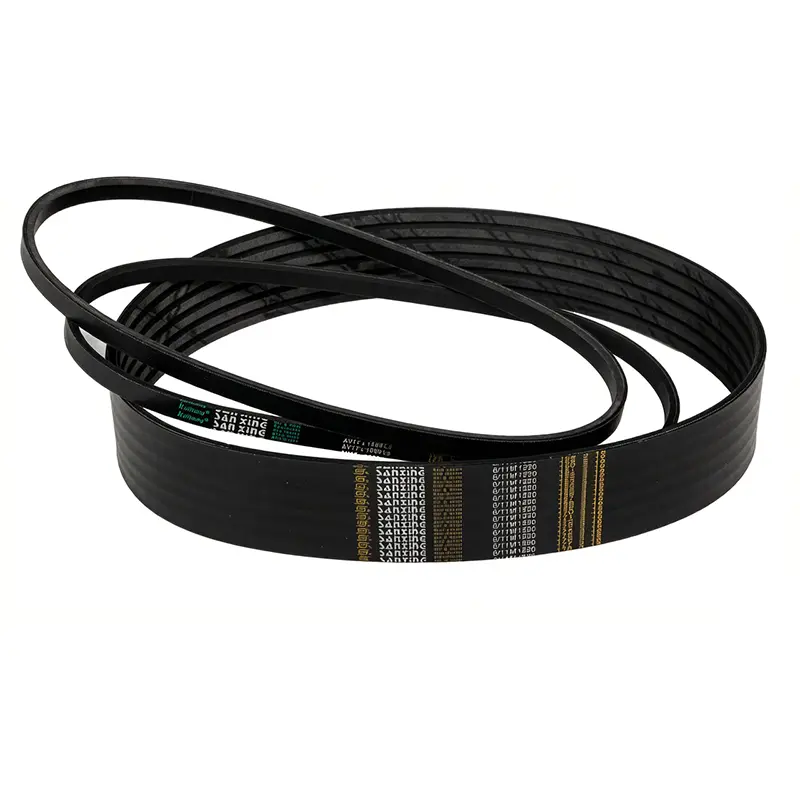
Kaihong Wide-Angle Belt is developed for transmission systems that require stable power delivery under high load, impact, and speed. Its 60° wedge geometry provides a larger pulley contact area than conventional V-belts, while the joined construction option improves lateral stability in multi-belt drives. With CR and EPDM rubber options, the belt can adapt to agricultural machinery, industrial equipment, and other demanding drive systems. Kaihong operates under ISO9001 and ISO14001 certified management systems, supporting consistent manufacturing and responsible production.
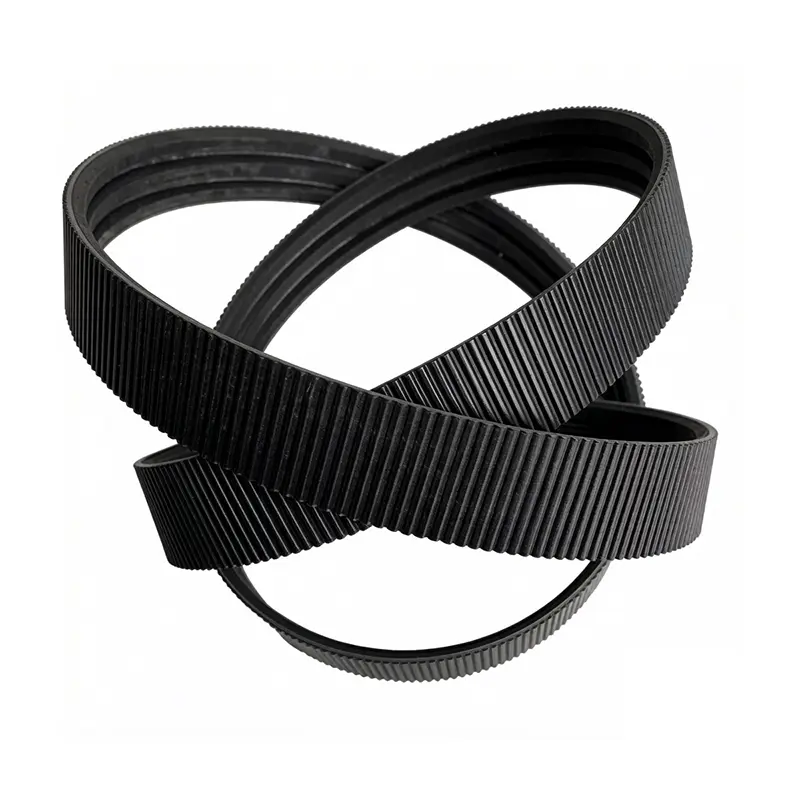
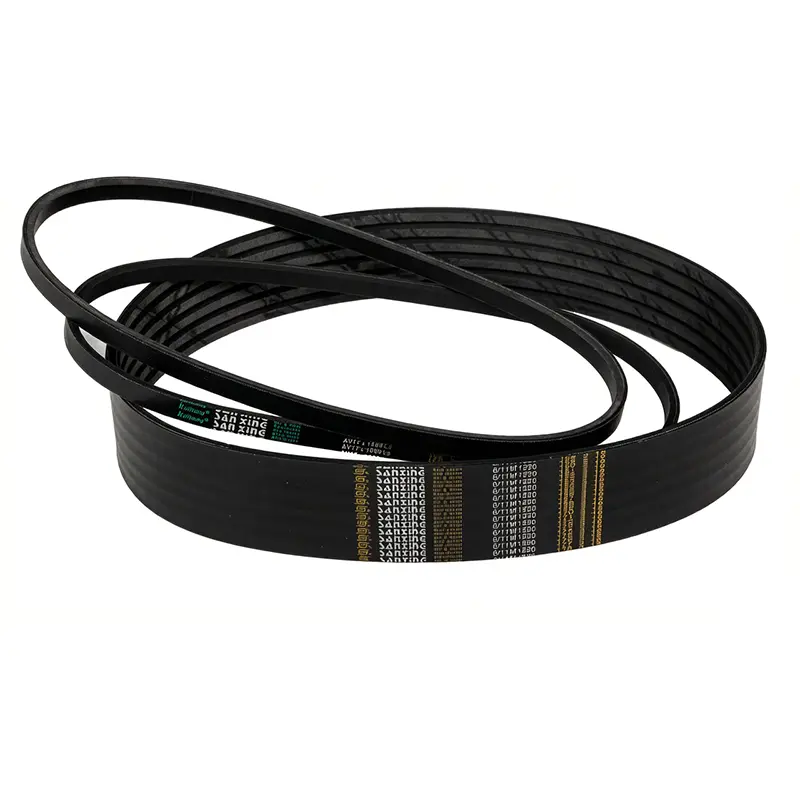
The available configurations can be selected according to pulley dimensions, required power, operating speed, and drive layout. Single belts are suitable for standard applications, while joined versions are recommended where synchronized running and resistance to belt turnover are important.
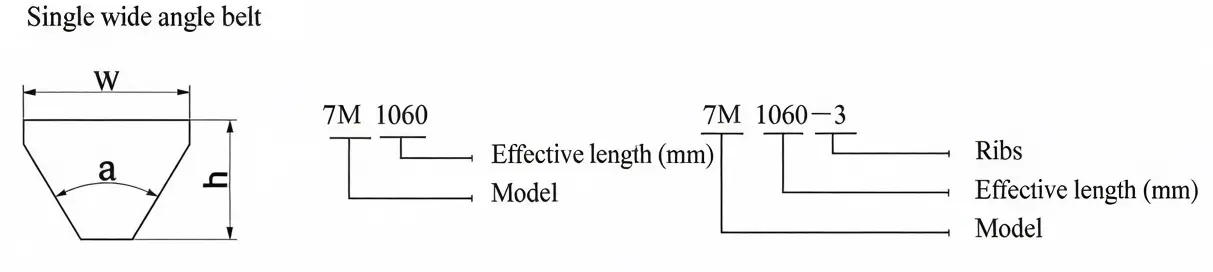
| Model | 3M | 5M | 7M | 11M | |
| Thickenss h | 2 | 3 | 5 | 7 | |
| Width w | 3 | 5 | 7 | 11 | |
| Angle a | 60 | 60 | 60 | 60 | |
| Min.diameter of pulley(mm) | 17 | 26 | 42 | 65 | |
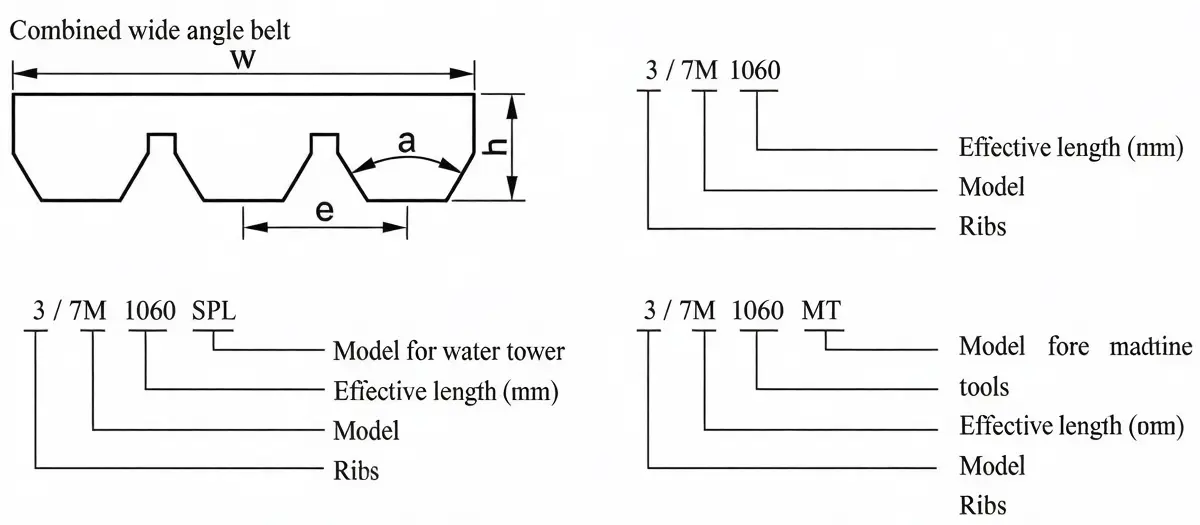
| Model | 3M | 5M | 7M | 11M | |
| Piich e | 3.35 | 5.3 | 8.5 | 13.2 | |
| Thickness h | 2.3 | 3.5 | 5.4 | 7.1 | |
| Widthb | 3 | 5 | 7 | 11 | |
| Angle a | 60 | 60 | 60 | 60 | |
| Width W | 2 ribs | 6.15 | 9.8 | 15.6 | 24.4 |
| 3 ribs | 9.5 | 15.1 | 24.1 | 37.6 | |
| 4 ribs | 12.85 | 20.4 | 32.6 | 50.8 | |
| 5 ribs | 一 | 25.7 | 41.1 | 64 | |
| Min.diameter of pulley(mm) | 17 | 26 | 42 | 65 | |
| Ribs available | 02/3/4 | 2/3/4/5 | 2/3/4/5 | 2/3/4/5 | |
The 60° wedge profile increases the working contact between the belt sidewalls and pulley grooves. This helps distribute transmitted forces more evenly and provides stronger grip when equipment experiences sudden load changes.
During agricultural harvesting and other variable-load operations, the drive can experience repeated torque fluctuations. The broader contact geometry helps reduce slipping and maintains more stable engagement with the pulley.
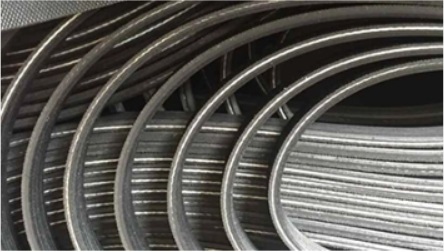
For applications using multiple belts together, the joined structure connects individual belt sections through a reinforced top band. This keeps the belts moving as one unit and reduces independent belt movement during operation.
When vibration, shock loads, or lateral forces affect the drive, separate belts can twist or move out of their intended grooves. Joined construction improves lateral restraint and helps reduce belt turnover and dismounting.
Chloroprene rubber provides a practical balance of flexibility, abrasion resistance, and temperature performance, with an operating range of approximately -20°C to +100°C.
EPDM is available for applications exposed to greater heat, ozone, and weathering. Its typical operating range extends from approximately -35°C to +120°C, making it suitable for demanding outdoor equipment.
Agricultural Machinery: The belt is suitable for combines, harvesters, large fans, and other machines where sudden changes in crop load can place significant stress on the drive system.
Industrial Equipment: It can be applied to high-load fans, processing machinery, and other equipment requiring stable belt engagement and resistance to impact loading.
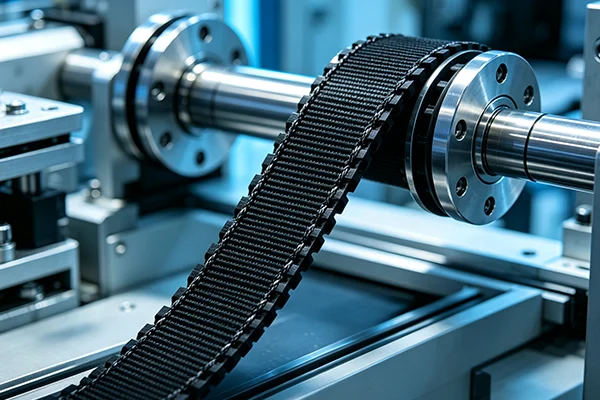
High-Speed Drives: The controlled cross-sectional geometry and low-elongation tensile cords help maintain stable running characteristics where belt vibration and lateral movement need to be minimized.
Multi-Belt Transmission: Joined configurations are particularly useful where several belts must operate together and maintaining synchronized movement is important.
Inspect pulley grooves for wear, cracks, contamination, and dimensional changes before installing a new belt. A worn pulley can cause abnormal sidewall loading and accelerate belt wear.
Apply the tension specified by the equipment manufacturer. Excessive tension can overload shafts and bearings, while insufficient tension may cause slipping, heat buildup, and premature wear.
When using a joined configuration, replace the complete belt assembly rather than mixing new and used sections. Consistent belt length and tension are essential for balanced load distribution.
When selecting a belt for a high-load transmission system, the main considerations are load capacity, resistance to belt movement, operating conditions, and drive configuration. The following comparison helps buyers determine whether this design is more suitable than conventional V-belts or joined belt systems.
|
Feature |
Wide-Angle Belt |
Standard V-Belt |
Joined Wide-Angle Belt |
|
Wedge Angle |
60° |
Typically 40° |
60° |
|
Pulley Contact |
Large |
Standard |
Large |
|
Load Handling |
High |
Medium |
High |
|
Lateral Stability |
Good |
Moderate |
Excellent |
|
Turnover Resistance |
Good |
Moderate |
Excellent |
|
Shock Load Performance |
High |
Moderate |
High |
|
Multi-Belt Operation |
Suitable |
Suitable |
Especially suitable |
|
High-Speed Stability |
Good |
Good |
Excellent |
|
Typical Applications |
Agricultural & industrial drives |
General machinery |
Heavy-load multi-belt drives |
|
Main Advantage |
Higher load capacity in a compact drive |
Versatile and economical |
Synchronized running and improved stability |
For applications where the drive experiences frequent impact loads or where several belts must remain aligned under demanding conditions, the joined configuration provides an additional level of operational stability. For conventional power transmission, the standard single-belt configuration can offer a simpler and more economical solution.
Kaihong supports OEM and replacement requirements for different equipment configurations. Customers can provide belt samples, drawings, cross-section information, or required dimensions for model matching. Material selection, belt length, joined configuration, and other specifications can be adjusted according to the actual transmission system.
With ISO9001 and ISO14001 certification, Kaihong maintains controlled production processes from rubber compound preparation through molding and finished-product inspection. This provides B2B buyers with a stable supply option for standard orders as well as customized transmission projects.
The main difference is the 60° wedge geometry. It provides a wider contact relationship with the pulley groove and is designed for applications requiring greater load capability and lateral stability.
A joined version is recommended when several belts operate together and belt turnover, flutter, or uneven movement is a concern. The connecting band keeps the individual belt sections synchronized during operation.
Yes. You can provide the original belt, technical drawing, cross-section, or dimensional information. Kaihong can evaluate the specification and recommend a suitable replacement or customized configuration.
Address
No. 48 Guangming Middle Road, Sanmen County, Taizhou City, Zhejiang Province, China
Tel