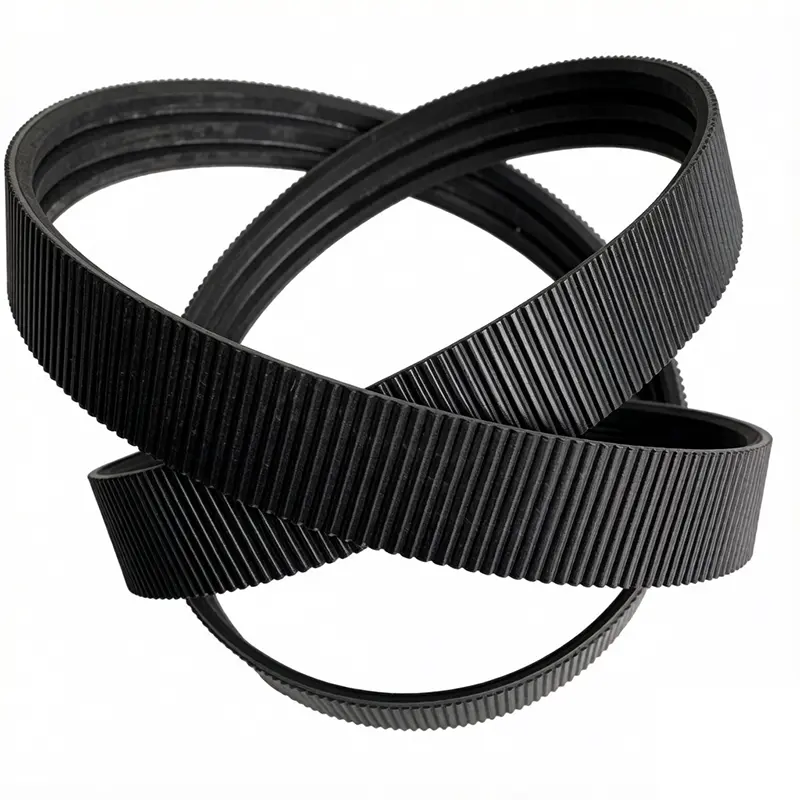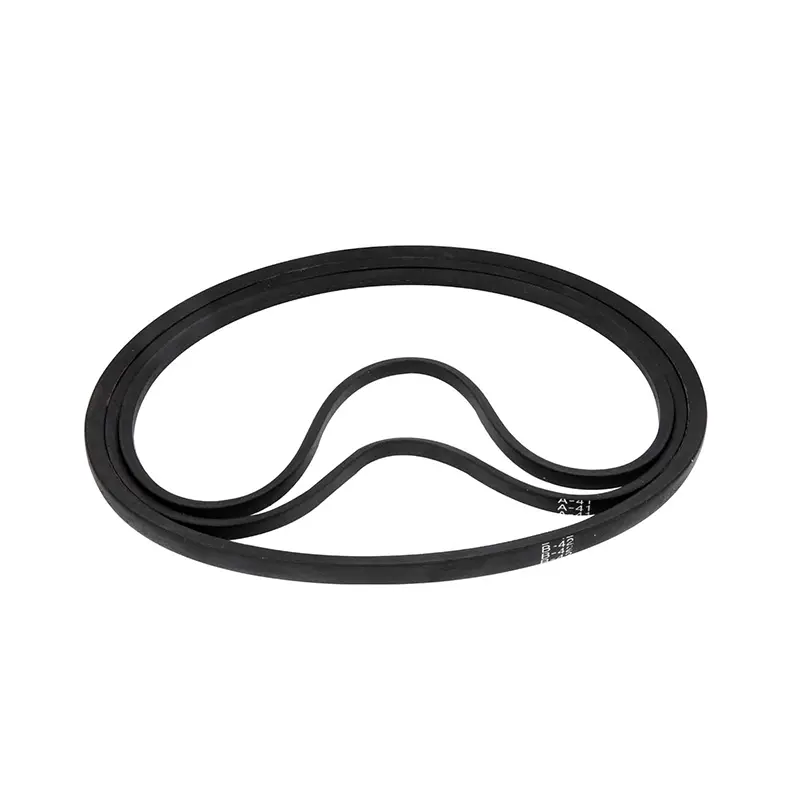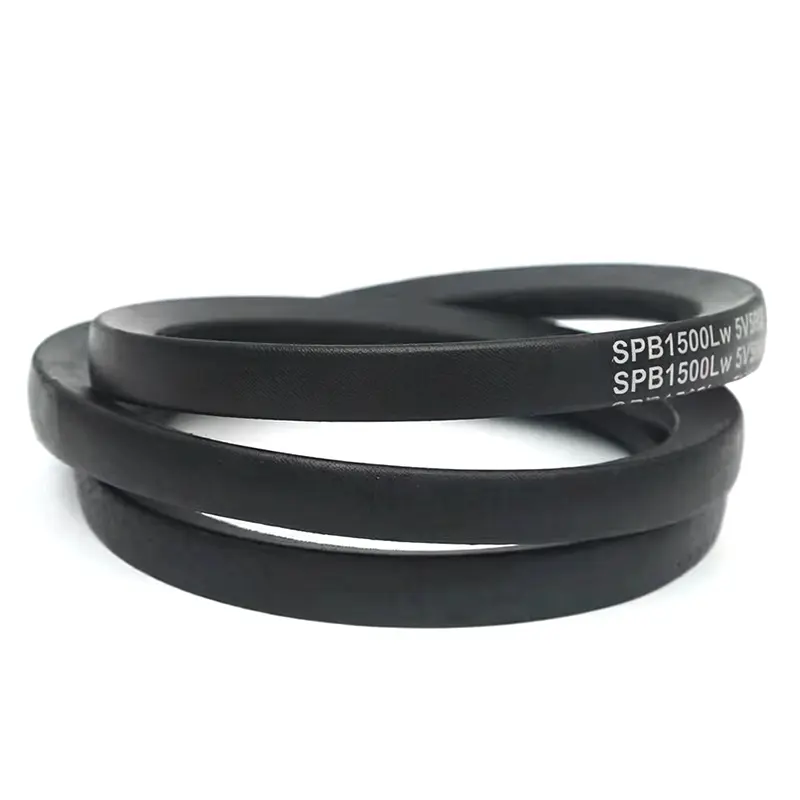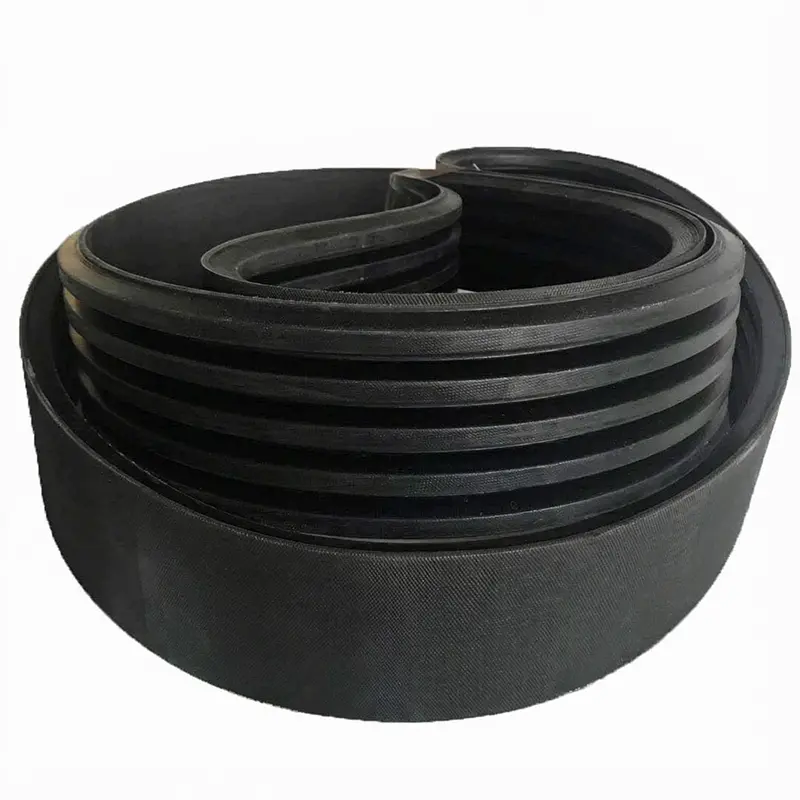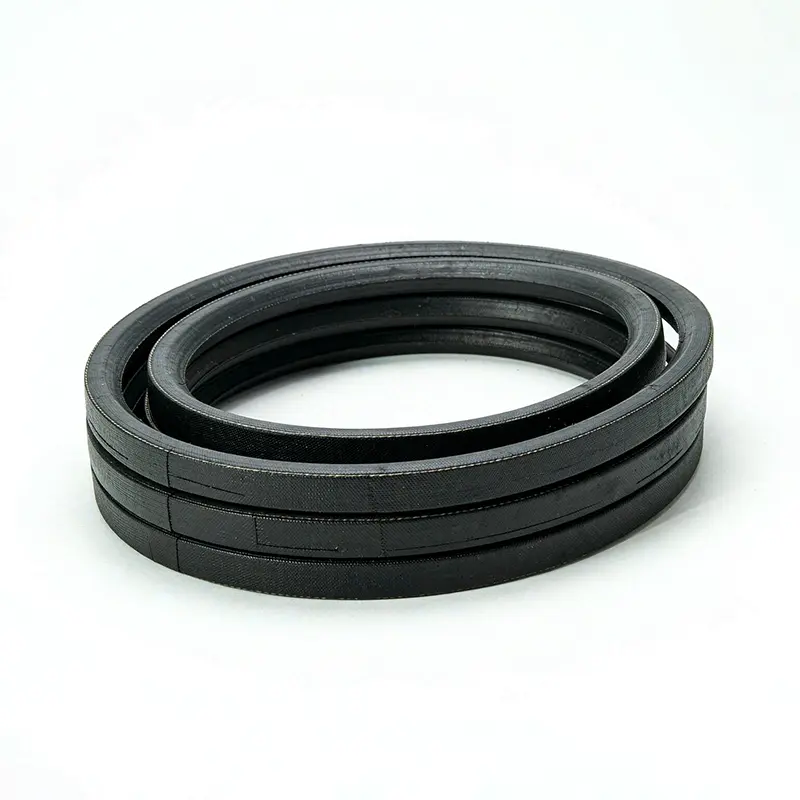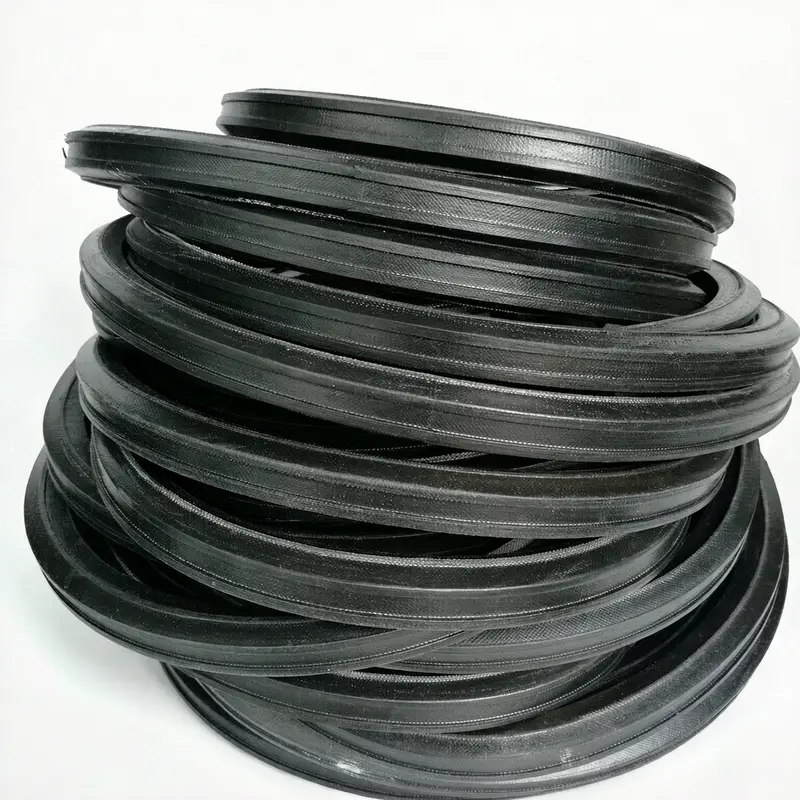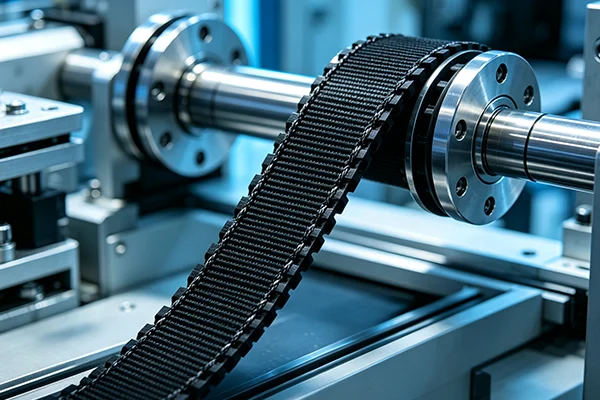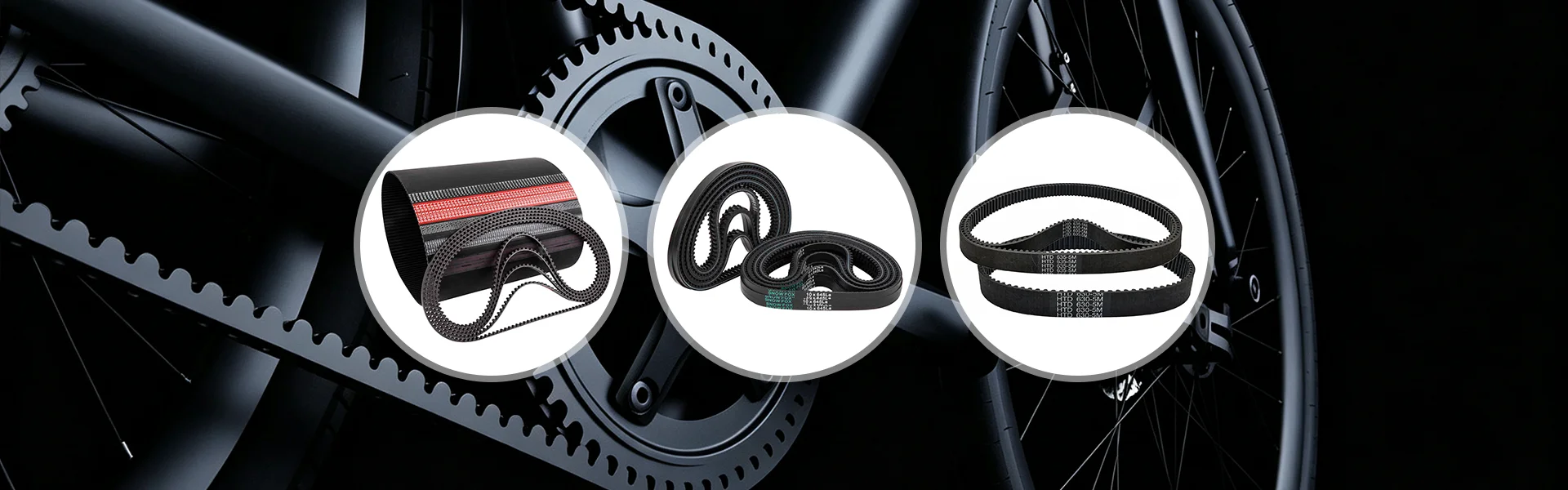
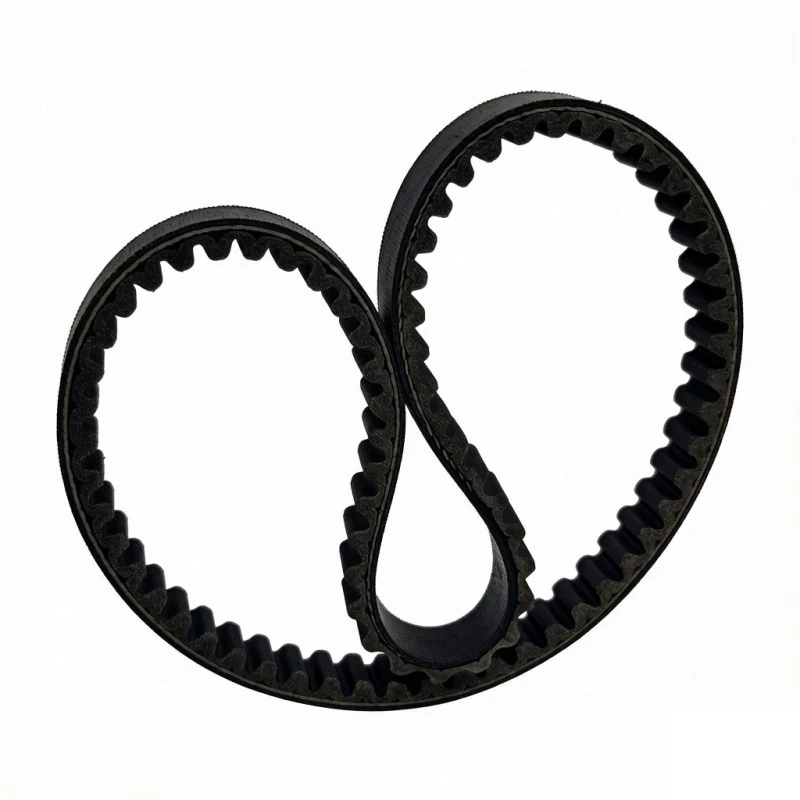
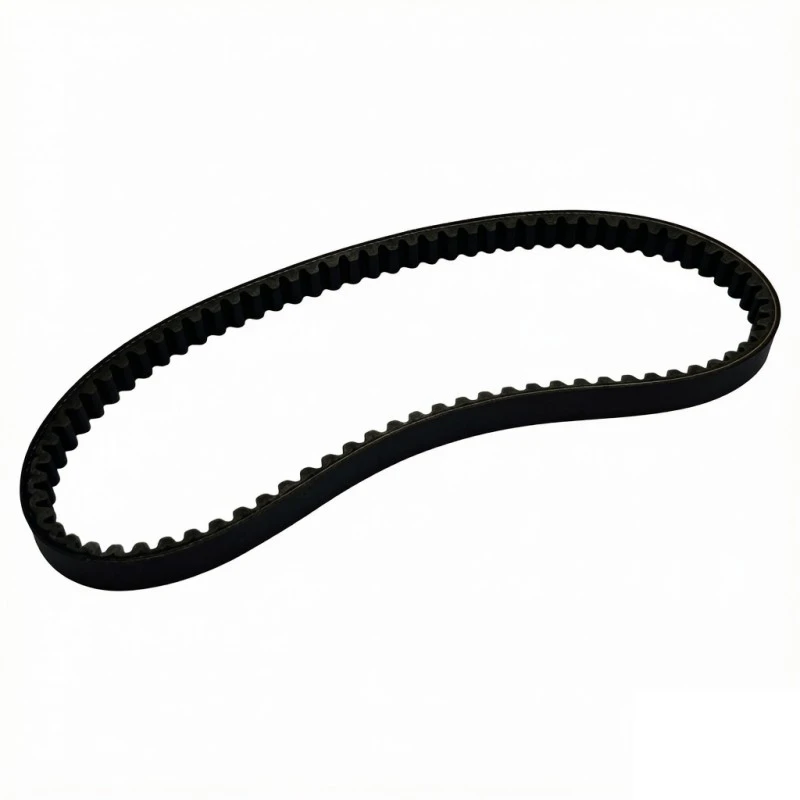
Kaihong manufactures CVT transmission belts for automatic scooters, underbone motorcycles, maxi-scooters, ATVs, go-karts, and other compact powertrain systems. With ISO9001 and ISO14001 management systems, Kaihong provides stable quality, controlled dimensions, OEM development, private-label packaging, and flexible supply support for distributors, wholesalers, repair networks, and vehicle brands.
A Scooter Variable Speed Belt transfers engine power from the front variator to the rear driven pulley and clutch assembly. As the pulley diameter changes, the belt moves within the V-shaped grooves to provide continuous ratio adjustment. This enables smooth acceleration without manual gear shifting.
Compared with chain drives, CVT belts operate without lubrication, reduce noise, absorb vibration, and simplify routine maintenance. Their performance depends on correct dimensions, cord construction, rubber compound, pulley condition, and installation quality.
Scooter CVT systems are frequently exposed to starting, braking, idling, and speed changes. Kaihong belts are designed to maintain stable contact with the variator and driven pulley, supporting smooth take-off, predictable acceleration, and controlled power delivery in urban traffic, delivery routes, and moderate-load applications.
The belt structure helps reduce flutter, uneven tracking, and delayed engagement. For buyers managing multiple scooter models, correct matching of length, width, angle, stiffness, and flexibility is essential.
|
Product Grade |
Recommended Application |
Rubber Compound |
Tensile Cord |
Belt Profile |
Main Advantages |
Reference Service Range* |
|
Economy |
50–125cc commuter scooters |
Standard CR rubber |
Polyester cord |
Standard cogged profile |
Cost-effective and suitable for normal urban riding |
Approximately 8,000–12,000 km |
|
Enhanced |
125–150cc scooters, frequent commuting, moderate delivery use |
Heat-resistant CR or EPDM |
Polyester with light aramid reinforcement |
Flexible cogged profile |
Improved heat resistance, lower elongation, and better durability |
Approximately 15,000–20,000 km |
|
Premium OE Replacement |
200–400cc maxi-scooters and high-load applications |
High-temperature CR or EPDM |
Aramid or Kevlar cord |
Double-cogged or reinforced profile |
Higher torque capacity and improved thermal stability |
Potentially over 25,000 km |
|
Performance / Modified CVT |
Tuned engines, GY6 swaps, go-karts, ATVs, and custom CVT systems |
Application-specific compound |
High-strength aramid or Kevlar cord |
Customized according to pulley design |
Suitable for increased output and modified transmission systems |
To be confirmed through testing |
*Actual service life depends on engine power, riding style, pulley condition, temperature, contamination, belt tension, installation quality, vehicle load, and maintenance. These figures are application references, not guarantees.
The back layer uses transverse fiber reinforcement and selected rubber compounds to improve flexibility, lateral support, surface durability, and resistance to bending cracks around small-diameter pulleys.
Standard belts may use polyester cords, while heavy-duty versions can use aramid or Kevlar cords. Low-stretch reinforcement helps maintain belt dimensions and is suitable for high-temperature operation, delivery use, hill climbing, heavy loads, and modified engines.
CR rubber is suitable for many standard scooter applications. EPDM can be selected when higher resistance to heat, moisture, ozone, and aging is required. The compound should be matched to engine output, pulley temperature, climate, and expected mileage.
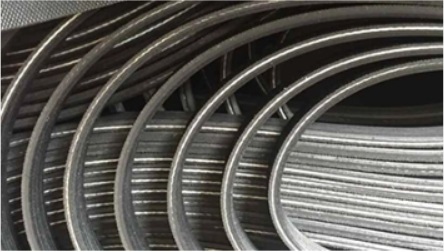
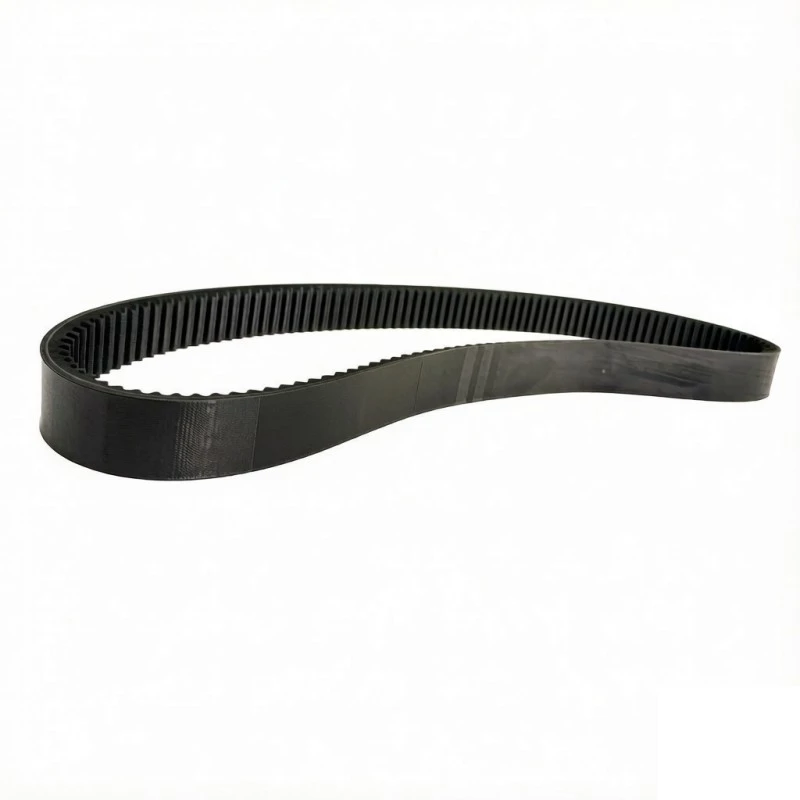
A nylon or polyamide fabric surface helps reduce friction and wear. Transverse cogs improve flexibility around small pulleys, reduce bending heat, and support faster ratio changes.
For 50–150cc scooters such as Honda Dio, Yamaha JOG, and KYMCO Agility, standard or enhanced belts can be selected according to engine output, traffic conditions, and service requirements.
Delivery scooters and rental fleets experience frequent starts, heavy loads, high temperatures, and long operating hours. Heat-resistant rubber and aramid reinforcement can help reduce elongation and improve durability. Batch identification, private-label packaging, and mileage-based replacement programs are also available.
Models such as Honda PCX, KYMCO Downtown, and BMW C400 require stronger tensile members, stable dimensions, and improved heat resistance. Heavy-duty belts can be developed for 200–400cc scooters and other high-load CVT systems.
Belts can also be developed for GY6 engine swaps, go-karts, ATVs, UTVs, snowmobiles, and small agricultural equipment. For these applications, buyers should provide pulley dimensions, center distance, engine output, operating speed, and expected load.
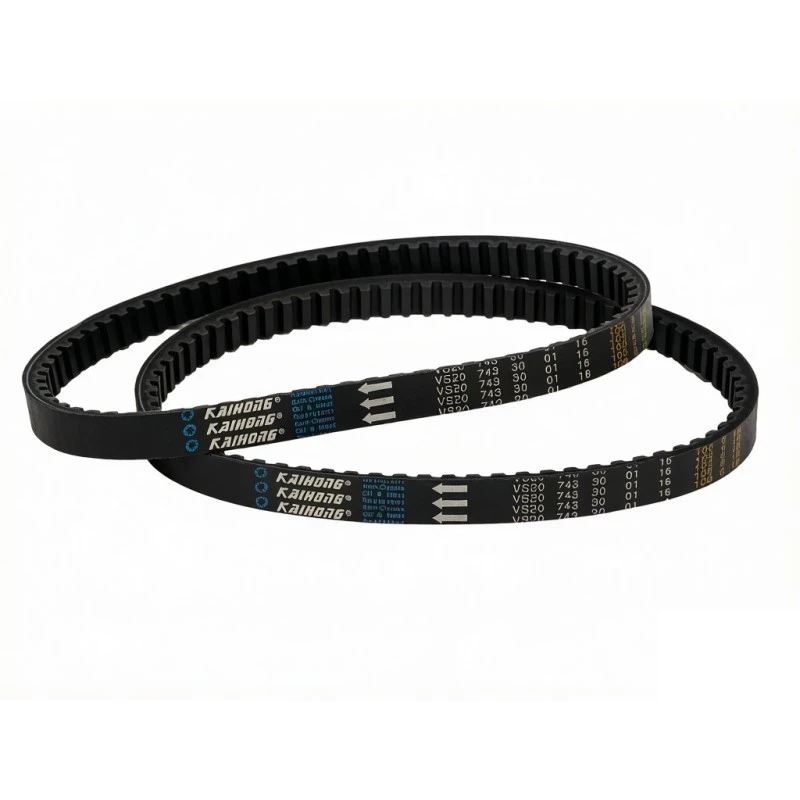
Buyers should confirm the original part number, belt length, top width, angle, tooth configuration, profile, and vehicle model. Incorrect dimensions can cause weak acceleration, difficult installation, excessive pulley loading, or unstable shifting.
Polyester cords are suitable for standard commuter scooters and cost-sensitive replacement programs. Aramid or Kevlar cords are better suited to high-temperature operation, frequent acceleration, delivery work, heavy loads, and modified engines.
A new belt may fail early if the variator rollers, ramp plate, clutch shoes, clutch bell, or pulley surfaces are worn. Before installation, inspect the CVT for scoring, glazing, contamination, abnormal wear, vibration, slipping, or uneven engagement.
Before installation, compare the new belt with the original part and confirm its dimensions and direction marking. Clean the variator and driven pulley surfaces to remove dust, oil, rubber residue, and metal particles.
Do not force the belt into the pulley grooves with sharp tools. Follow the vehicle service procedure to open the driven pulley and seat the belt correctly. After installation, rotate the system by hand where possible and confirm even tracking and sufficient clearance.
During the first approximately 200 km, avoid repeated full-throttle launches and prolonged maximum-speed operation. Gradual break-in helps the belt establish stable contact with the pulley surfaces.
Store spare belts in a cool, dry, clean location away from direct sunlight, oil, fuel, solvents, and excessive humidity. Do not sharply fold, twist, or compress the belt.
Inspect regularly for cracks, glazing, missing rubber, frayed edges, abnormal tooth wear, excessive rubber dust, burning odor, slipping, vibration, or delayed engagement. Lubricants should never be applied to the belt or pulley surfaces.
When requesting a quotation, buyers should provide the scooter brand, model, production year, engine displacement, original belt number, dimensions, tooth design, target quantity, packaging requirements, and operating environment.
For modified applications, additional information such as engine power, maximum RPM, pulley diameter, center distance, vehicle load, ambient temperature, and expected service mileage is recommended.
Kaihong can evaluate physical samples, technical drawings, original part numbers, or complete application data. Available services include custom dimensions, OEM replacement development, private-label branding, laser marking, printed packaging, barcode labels, instruction cards, and replacement kits.
Under ISO9001 and ISO14001 management systems, Kaihong can control belt length, width, angle, tooth geometry, surface condition, tensile strength, elongation, rubber hardness, heat aging, abrasion resistance, and batch consistency.
For performance comparison, belts should be tested under consistent conditions, including the same pulley design, engine output, tension, temperature, load, and riding cycle.
A Scooter Variable Speed Belt transfers power between the variator and driven pulley in an automatic CVT system. Its position changes within the pulley grooves to adjust the transmission ratio.
For scooter CVT systems, the belt provides clean operation, low noise, vibration absorption, and no lubrication requirement.
CR is suitable for many standard applications, while EPDM is often selected for higher heat, moisture, ozone, and aging resistance. The final choice should match the vehicle and operating environment.
Replacement intervals vary by model and use. Heavy loads, high temperatures, frequent acceleration, modified engines, and fleet operation may shorten service life. Mileage and visible condition should both be considered.
Yes, but the belt must match the modified pulley system, center distance, engine output, belt angle, and operating speed.
Common causes include incorrect dimensions, worn pulleys, damaged rollers, excessive heat, oil contamination, improper installation, insufficient break-in, misalignment, and excessive engine output.
Yes. Kaihong supports sample orders, fitment evaluation, OEM development, private-label projects, and small-batch testing.
Address
No. 48 Guangming Middle Road, Sanmen County, Taizhou City, Zhejiang Province, China
Tel