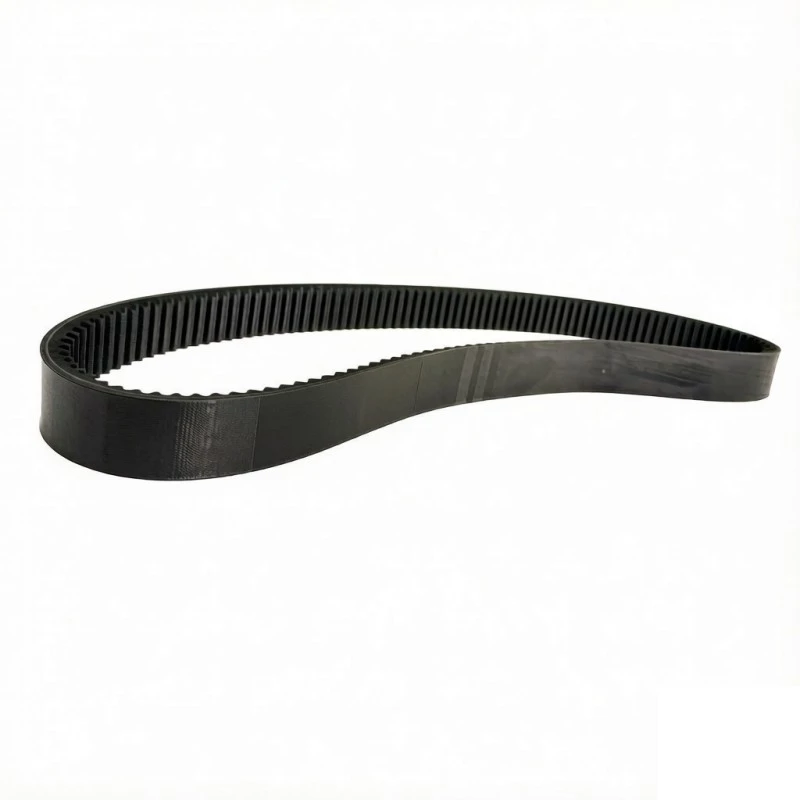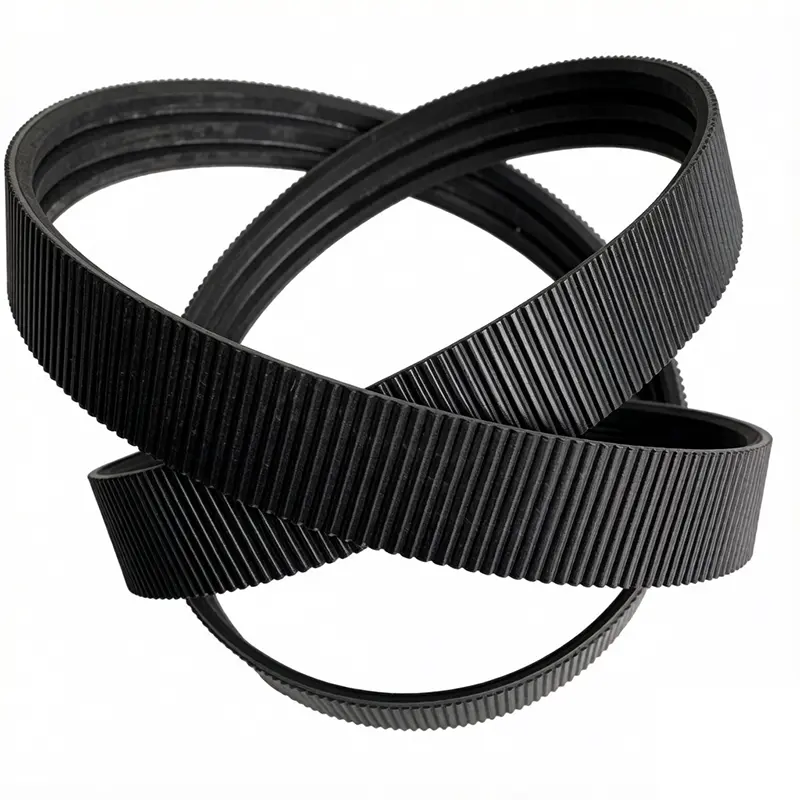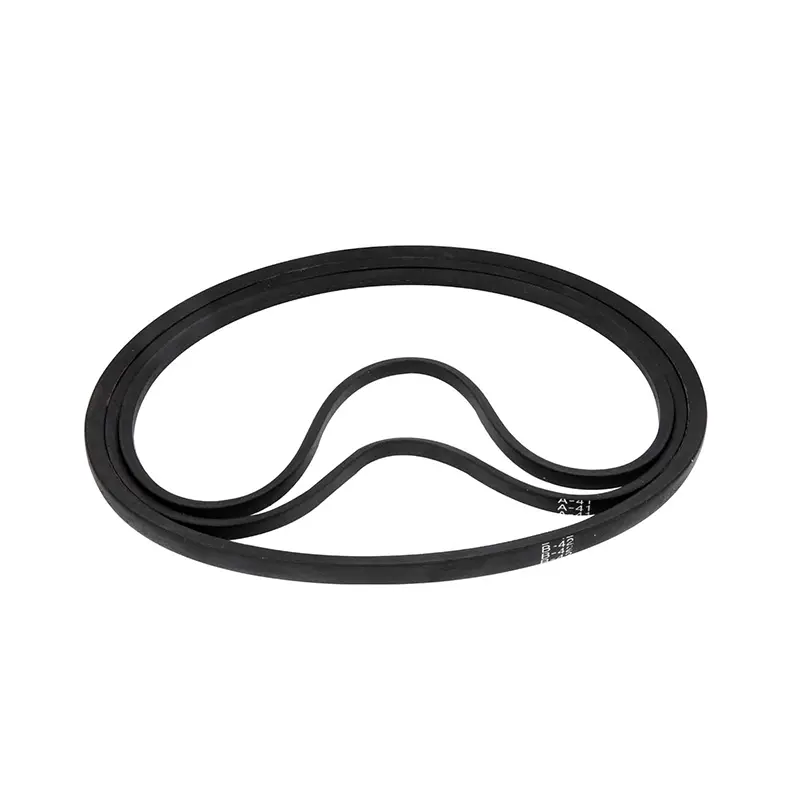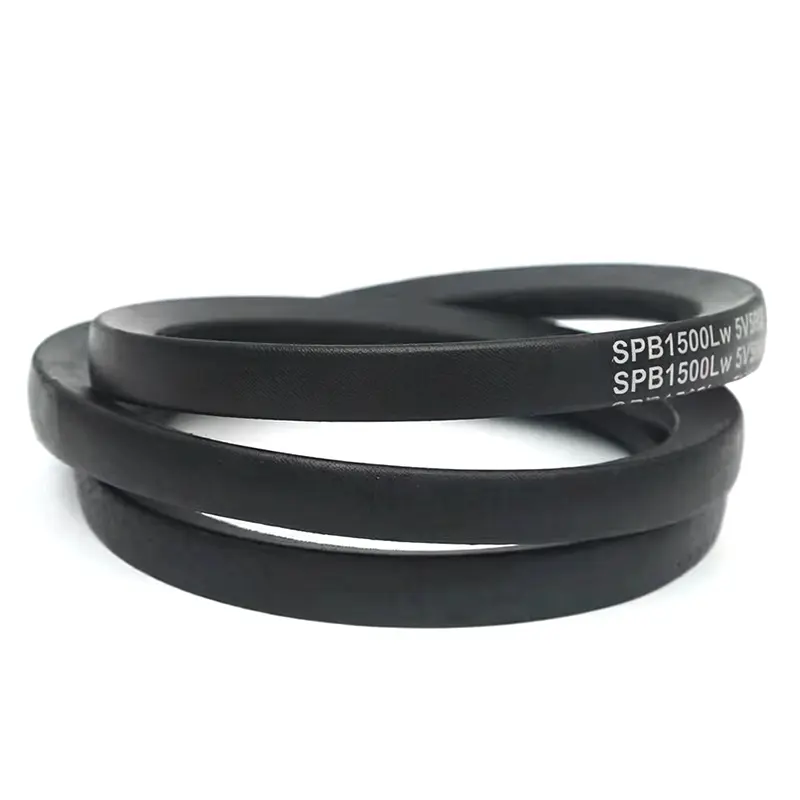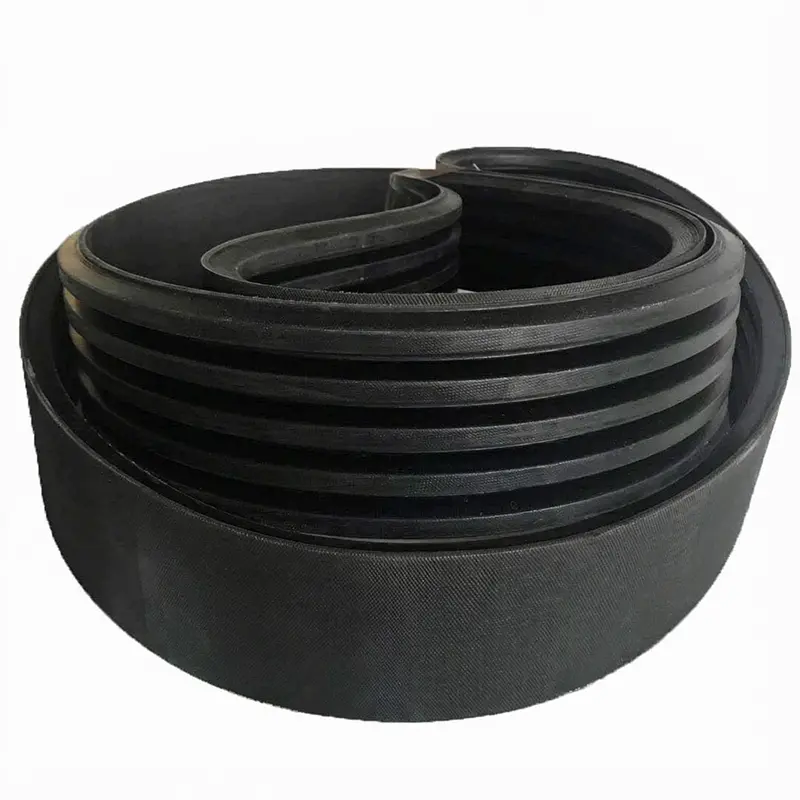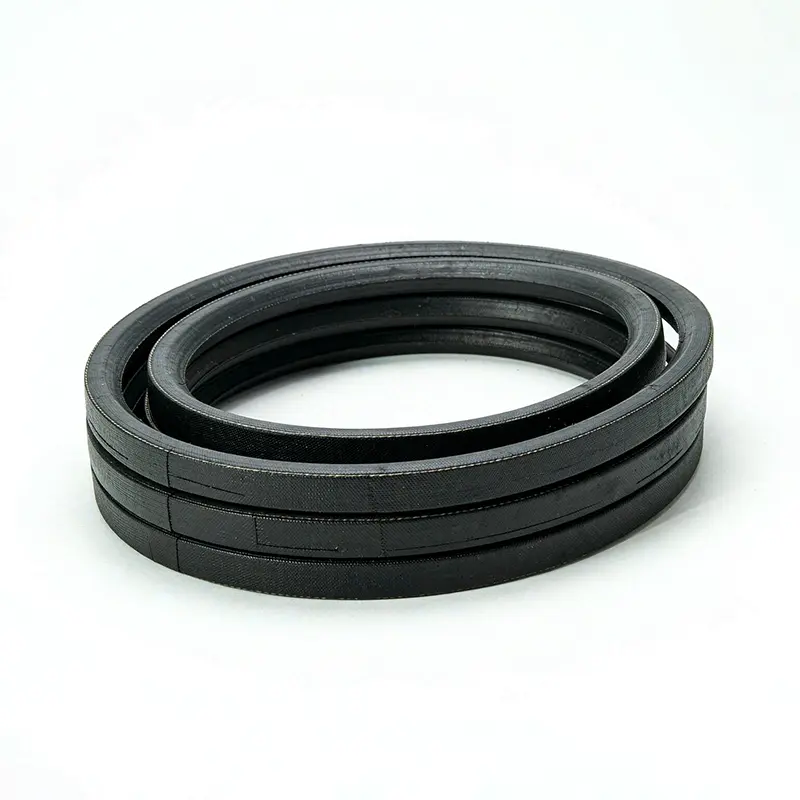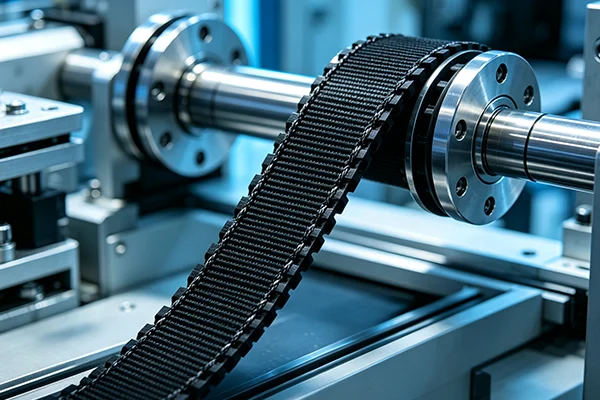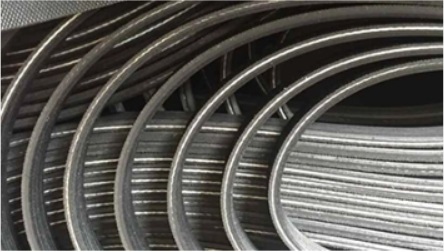
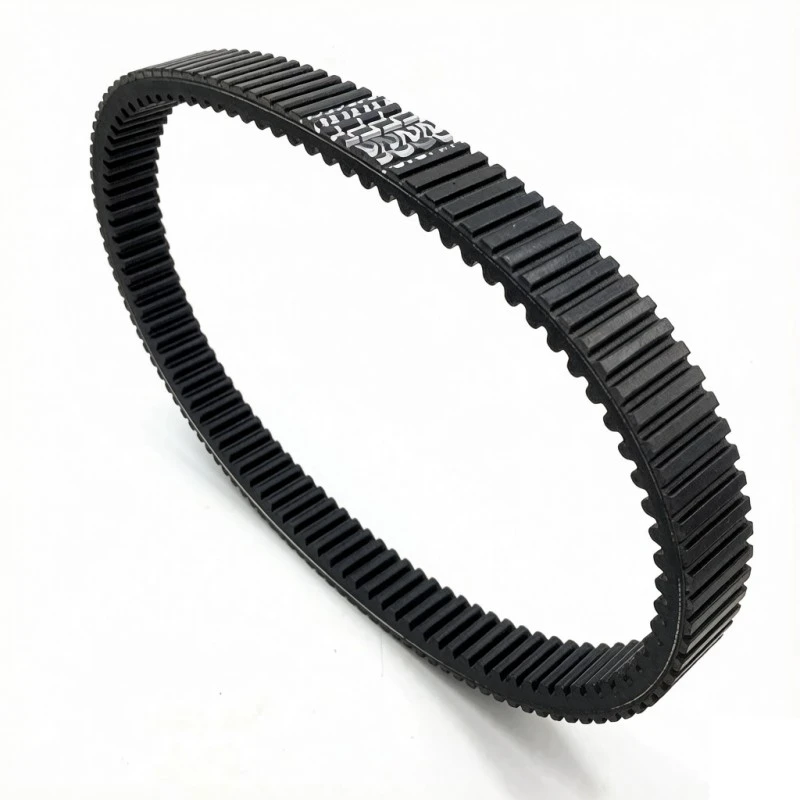
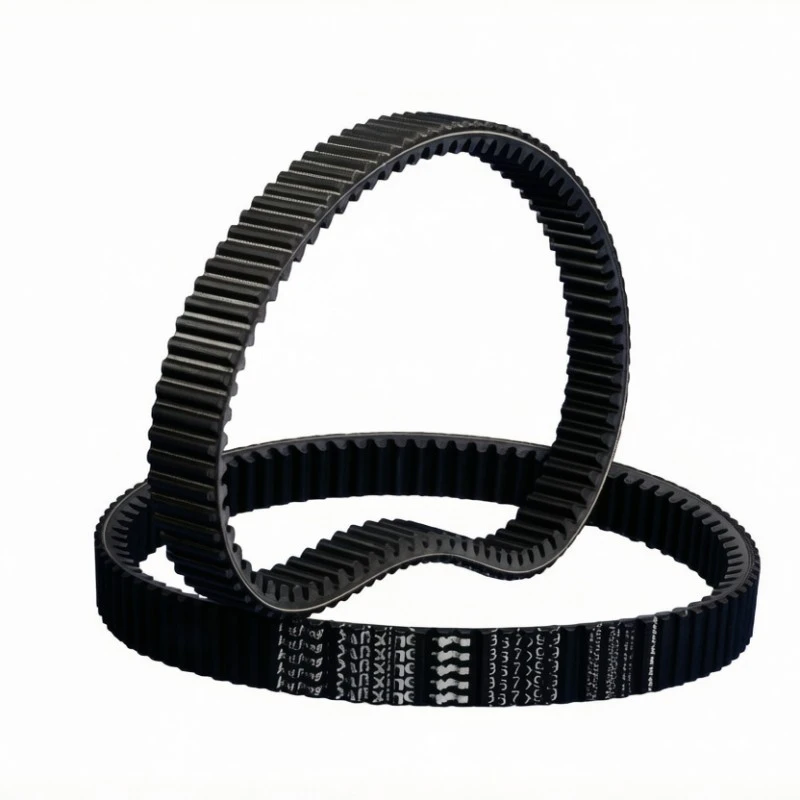
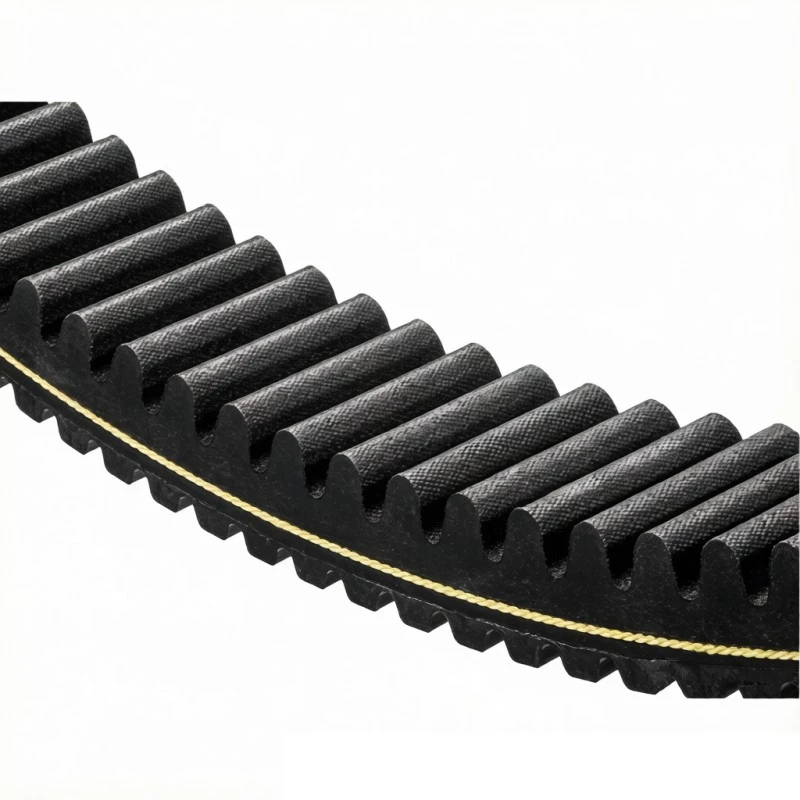
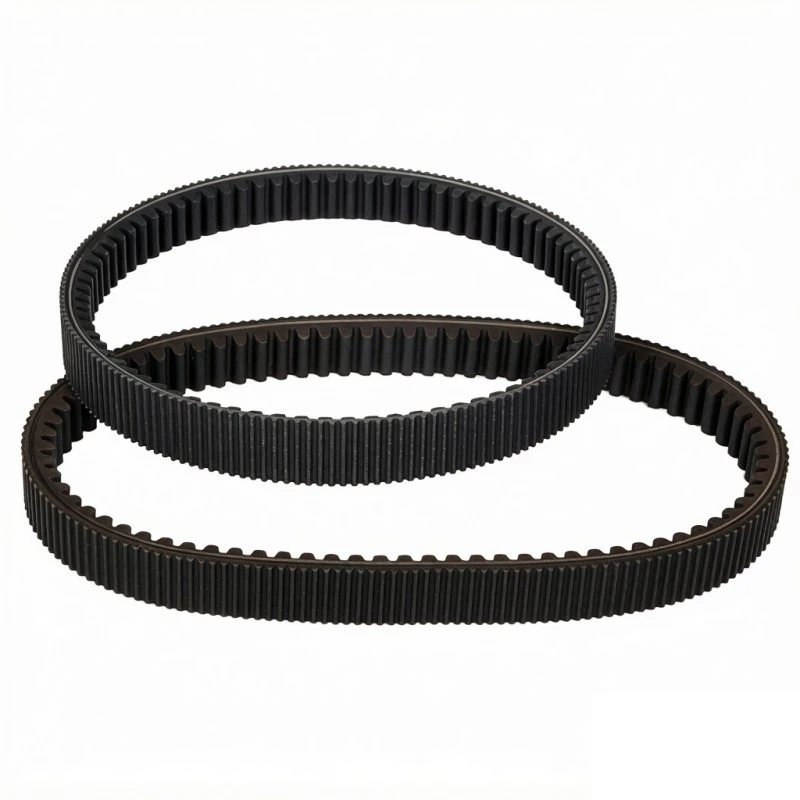
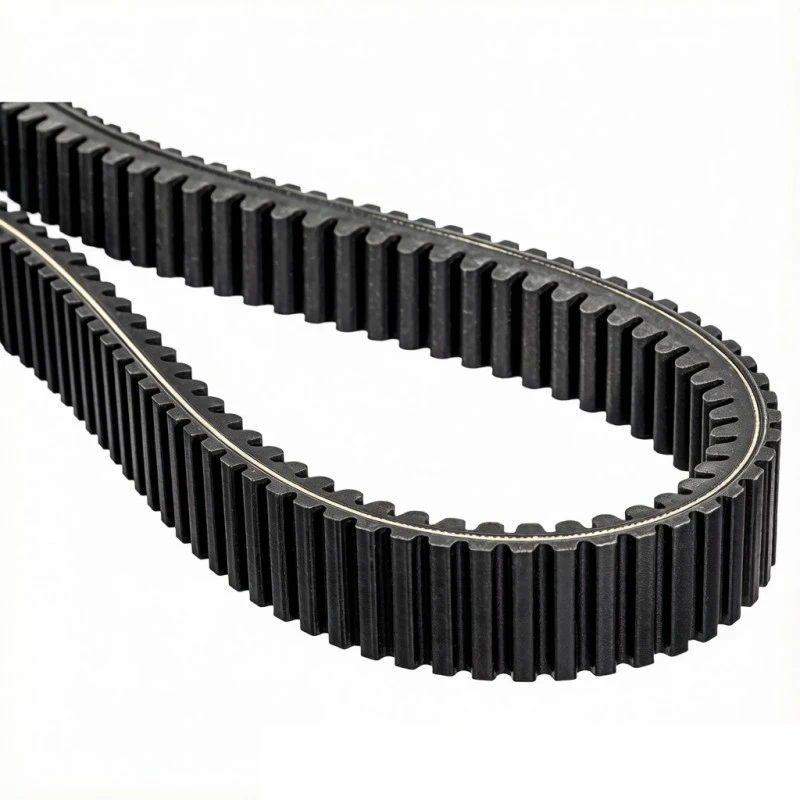
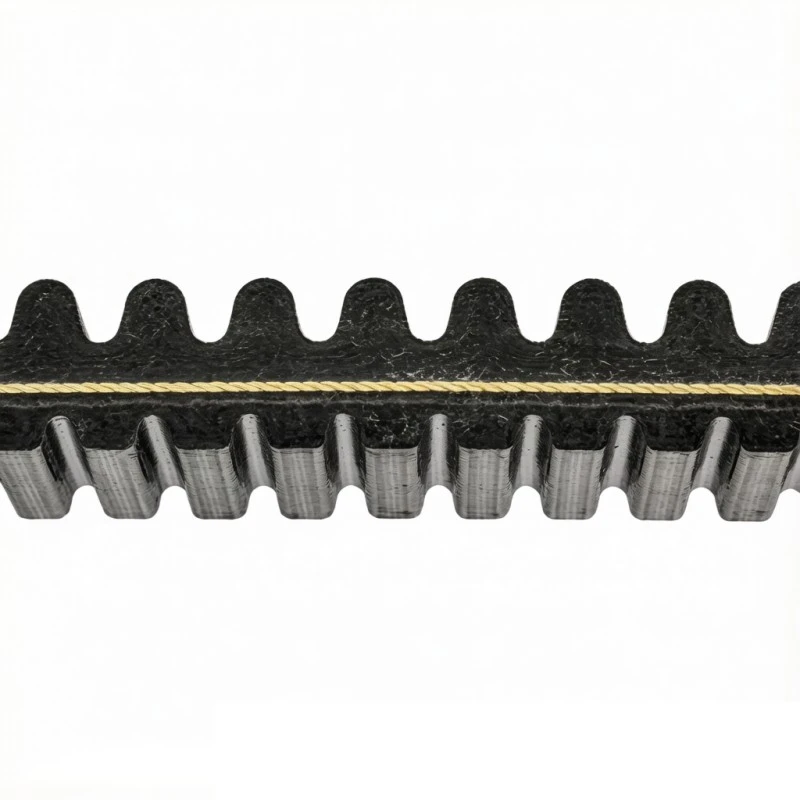
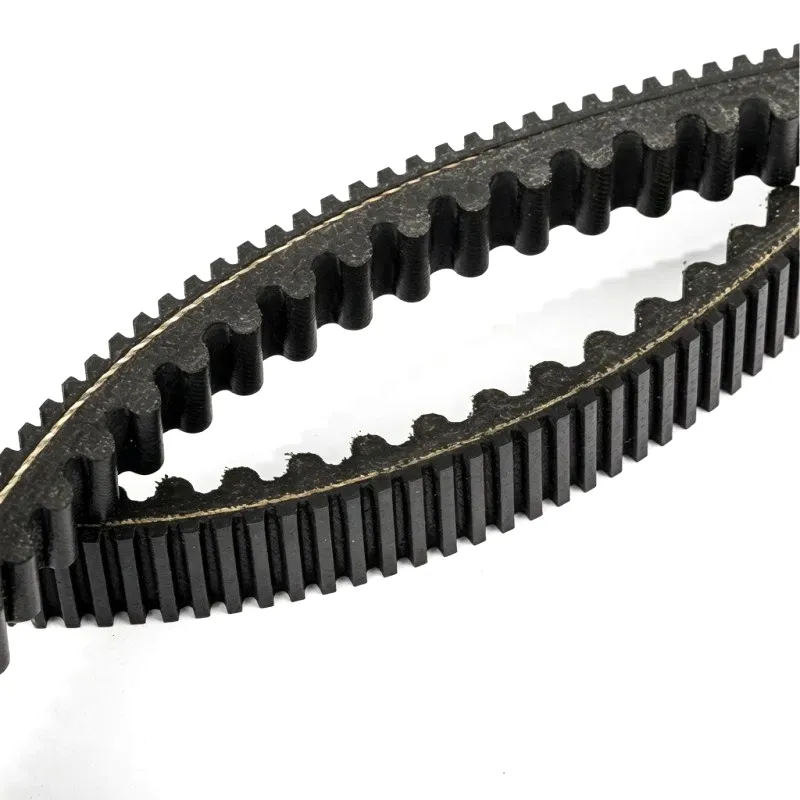
An ATV Variable Speed V-Belt operates between the driving and driven pulleys in a CVT system. By changing its working radius within the pulley grooves, it enables smooth acceleration and deceleration without conventional gear shifting. The belt must maintain stable power transfer under high RPM, heavy loads, dust, mud, and temperature changes.
|
Product Type |
Main Construction |
Recommended Operating Temperature |
Suitable Applications |
Key Advantages |
|
Standard CVT Belt |
Conventional rubber compound with standard tensile reinforcement |
-20°C to +100°C |
Recreational riding and light utility use |
Balanced cost and performance |
|
Heavy-Duty Aramid-Reinforced Belt |
High-temperature rubber with aramid tensile members |
-30°C to +120°C |
High-power ATVs, UTV hauling, steep terrain |
Higher tensile strength and load stability |
|
High-Temperature Performance Belt |
Heat-resistant rubber with reinforced compression section |
-30°C to +130°C |
Desert riding, dune climbing, prolonged high RPM |
Better thermal resistance and reduced slippage |
|
Abrasion-Resistant Off-Road Belt |
Nylon and aramid fiber outer jacket |
-25°C to +115°C |
Mud, sand, gravel, dusty trails, agricultural use |
Improved resistance to wear and edge fraying |
|
Cold-Weather CVT Belt |
Flexible low-temperature rubber formulation |
-45°C to +100°C |
Snowmobiles and cold-region applications |
Maintains flexibility during cold starts |
|
Customized Private-Label Belt |
Application-specific dimensions, reinforcement, and packaging |
According to application requirements |
Distributors, aftermarket brands, and OEM buyers |
Supports fitment matching and brand development |
The temperature ranges are recommended design and application ranges, not guaranteed continuous belt surface temperatures. Actual limits depend on pulley condition, belt tension, vehicle load, speed, ventilation, contamination, and duty cycle. Final specifications should be confirmed through application testing.
The correct ATV Variable Speed V-Belt should be selected according to vehicle power, pulley condition, load, terrain, and operating temperature rather than price alone.
The following comparison is intended as a technical reference for product selection. Values are typical target ranges based on Kaihong reinforced constructions and common conventional aftermarket belt designs. Actual results vary according to belt size, vehicle model, pulley condition, load, temperature, and test method.
|
Performance Item |
Conventional Aftermarket Belt |
Kaihong Heavy-Duty / Performance Belt |
Typical Improvement |
|
Tensile strength retention after heat aging at 120°C for 24 hours |
75%–85% |
88%–95% |
Approximately 10–18 percentage points higher |
|
Permanent elongation after repeated high-load cycling |
1.5%–2.5% |
0.6%–1.2% |
Approximately 30%–60% lower |
|
Continuous operating temperature capability |
About 100°C–110°C |
About 120°C–130°C |
Approximately 15°C–25°C higher |
|
Abrasion loss in controlled belt-surface testing |
100% reference |
70%–85% of reference |
Approximately 15%–30% lower |
|
Edge-fraying resistance in sand and gravel testing |
100% reference |
75%–90% of reference |
Approximately 10%–25% lower wear |
|
High-load slippage tendency |
100% reference |
70%–85% of reference |
Approximately 15%–30% lower |
|
Dimensional variation between production batches |
±1.0%–±1.5% |
±0.5%–±0.8% |
Approximately 30%–50% tighter control |
These figures should not be interpreted as universal guarantees for every vehicle or belt size. For procurement projects requiring verified performance, Kaihong can discuss sample testing, comparative testing against a nominated competitor, and application-specific acceptance criteria.
Kaihong uses a multi-layer composite structure to improve resistance to heat, abrasion, elongation, and repeated impact.
The abrasion-resistant outer jacket uses nylon and aramid fibers to reduce surface wear, edge fraying, and damage caused by sand, gravel, and pulley contact.
The heat-resistant rubber compound can use chloroprene rubber or EPDM formulations according to the application and operating temperature. Standard constructions are generally suitable for approximately -20°C to +100°C, while heavy-duty and high-temperature constructions can be developed for approximately -30°C to +120°C or, in selected applications, up to approximately +130°C. Cold-weather formulations can be specified for operating conditions down to approximately -45°C.
High-modulus aramid tensile members help maintain belt dimensions and reduce elongation under high torque. Compared with conventional polyester-reinforced constructions, aramid reinforcement can provide higher tensile strength, lower creep, and better dimensional stability under repeated high-load operation.
Single- or double-notched sections improve flexibility, heat dissipation, and debris removal during pulley rotation.
Optimized tooth geometry helps distribute stress more evenly during repeated flexing and can reduce localized cracking and tooth damage.
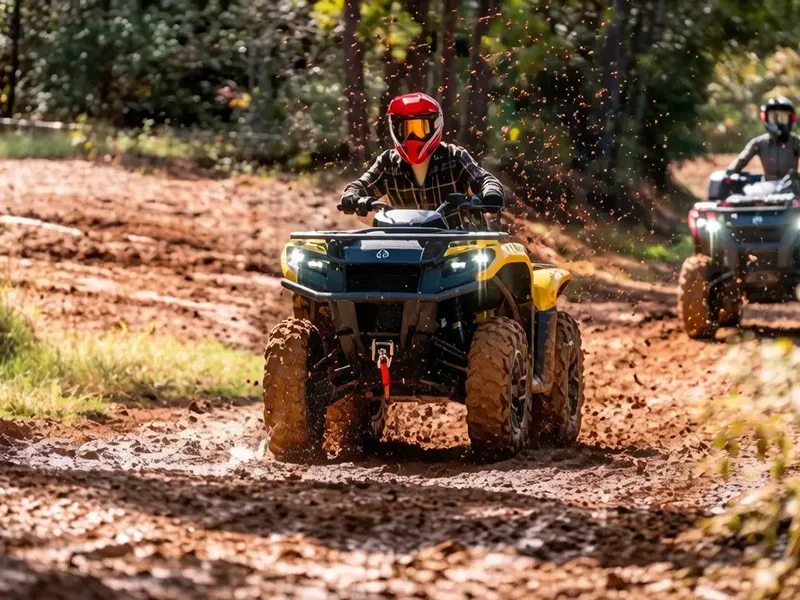
Aramid reinforcement and flexible notched construction support stable torque transfer during mud recovery, sand riding, and steep climbs. Compared with a conventional aftermarket belt, the heavy-duty construction is typically designed to reduce elongation by approximately 30%–60% and reduce high-load slippage tendency by approximately 15%–30%, subject to vehicle and test conditions.
Heat-resistant rubber compounds help reduce softening, slippage, and power loss during desert riding, dune climbing, and prolonged full-throttle operation. Depending on the selected construction, the recommended operating range can increase from approximately 100°C–110°C for a conventional belt to approximately 120°C–130°C for a Kaihong high-temperature configuration.
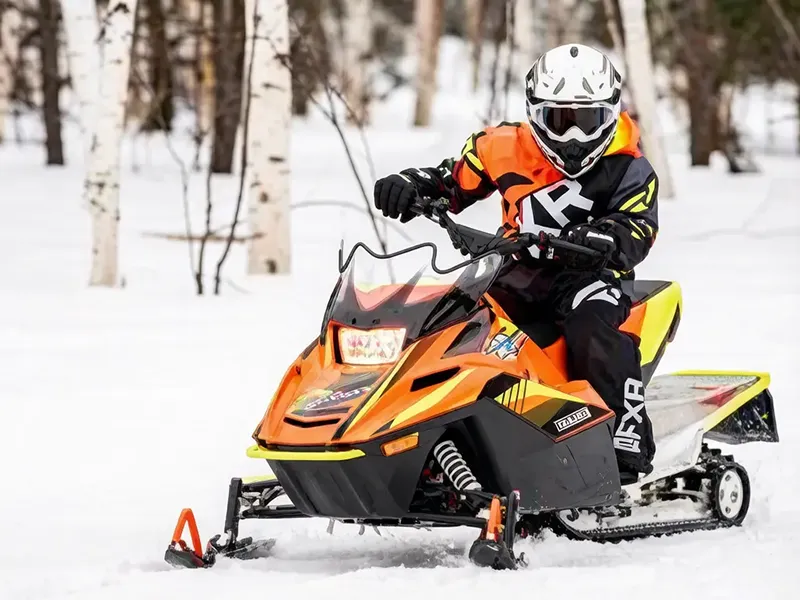
Specialized low-temperature formulations remain flexible during cold starts and help reduce the risk of cracking in snowmobiles and winter utility vehicles. Selected cold-weather constructions can be specified for temperatures down to approximately -45°C, while standard belts may be more suitable for conditions above approximately -20°C.
For CVT systems used in spraying, tilling, and other agricultural operations, abrasion-resistant materials help withstand dust, soil, oil, and chemical exposure. In controlled abrasion comparisons, Kaihong off-road constructions are typically designed to achieve approximately 15%–30% lower material loss than conventional aftermarket reference belts.
Correct fitment is essential because differences in belt length, top width, angle, or tooth configuration can affect clutch engagement and transmission performance.
Before selecting an ATV Variable Speed V-Belt, buyers should provide the vehicle make, model, production year, engine displacement, original belt part number, outer circumference, top width, belt angle, tooth configuration, directional requirements, operating environment, and load conditions.
Kaihong can match belt dimensions and construction according to original samples, drawings, OEM references, or specific vehicle requirements. For projects requiring tighter dimensional control, Kaihong can establish agreed tolerances for belt length, width, angle, and batch-to-batch consistency.
Before installation, compare the new belt with the original part and clean both pulley grooves. Remove sand, metal particles, rubber residue, and other deposits.
For directional belts, install the belt according to the rotation arrow. Engage and disengage the clutch at idle several times to help the belt seat correctly.
During the break-in period, avoid repeated full-throttle launches and excessive high-load operation. Regularly inspect the belt for cracks, glazing, damaged teeth, edge wear, excessive rubber dust, or changes in transmission response.
When replacing the belt, also check pulley alignment, clutch rollers, springs, and other CVT components. Worn transmission parts can shorten the service life of a new belt.
Operating temperature should also be monitored where possible. Continuous belt surface temperatures above the recommended range can accelerate rubber aging, increase slippage, and reduce tensile strength. If the belt repeatedly operates near or above 120°C, a high-temperature construction and improved CVT ventilation should be considered.
Kaihong supplies standard, heavy-duty, high-temperature, abrasion-resistant, cold-weather, and customized belt configurations.
Available services include customized belt dimensions, aramid reinforcement options, private-label branding, laser marking, neutral packaging, custom printed boxes, and fitment and compatibility support.
Each production batch is checked for key characteristics such as dimensional consistency and structural performance. For qualified projects, Kaihong can also support comparative testing covering tensile strength, elongation, heat aging, abrasion resistance, temperature performance, and high-load slippage tendency.
For buyers comparing Kaihong with a nominated competitor, the recommended evaluation process includes:
1. Confirming identical belt dimensions and vehicle fitment.
2. Testing belts on the same vehicle or CVT dynamometer.
3. Using the same pulley condition, load, speed, and ambient temperature.
4. Recording belt surface temperature, acceleration response, slippage, elongation, and visible wear.
5. Comparing results after the same number of operating cycles.
This approach helps buyers obtain meaningful performance data instead of relying only on general claims or price comparisons.
These belts are commonly used in ATVs, UTVs, dune buggies, snowmobiles, and some agricultural or utility equipment. The correct model depends on the vehicle and original belt specifications.
Confirm the vehicle model, engine displacement, original part number, belt dimensions, tooth configuration, and operating conditions. An original sample or technical drawing can help Kaihong verify compatibility.
Typical recommended ranges are approximately -20°C to +100°C for standard belts, -30°C to +120°C for heavy-duty belts, -30°C to +130°C for selected high-temperature belts, and down to approximately -45°C for cold-weather constructions. The actual allowable range depends on belt size, load, speed, pulley condition, ventilation, and duty cycle.
Kaihong heavy-duty and performance constructions are typically designed to provide higher heat-aging strength retention, lower elongation, improved abrasion resistance, tighter dimensional control, and lower slippage tendency. Typical target improvements range from approximately 10% to 60%, depending on the performance item and test conditions. Final comparison results should be verified using identical vehicle and test parameters.
Common causes include incorrect fitment, pulley misalignment, worn clutch components, excessive heat, overloading, aggressive acceleration, contamination, and improper installation.
Yes. Kaihong supports customized dimensions, reinforcement levels, markings, packaging, and private-label branding based on samples, drawings, OEM references, or vehicle requirements.
Yes. Avoid repeated full-throttle launches and excessive loads during initial use so the belt can seat properly against the pulley surfaces.
Inspection frequency depends on usage, terrain, load, and environment. Vehicles used in mud, sand, snow, heavy hauling, or high temperatures require more frequent inspection.
Yes. Kaihong provides private-label branding, laser marking, neutral packaging, and custom printed boxes for distributors, aftermarket brands, and OEM-oriented buyers.
Address
No. 48 Guangming Middle Road, Sanmen County, Taizhou City, Zhejiang Province, China
Tel