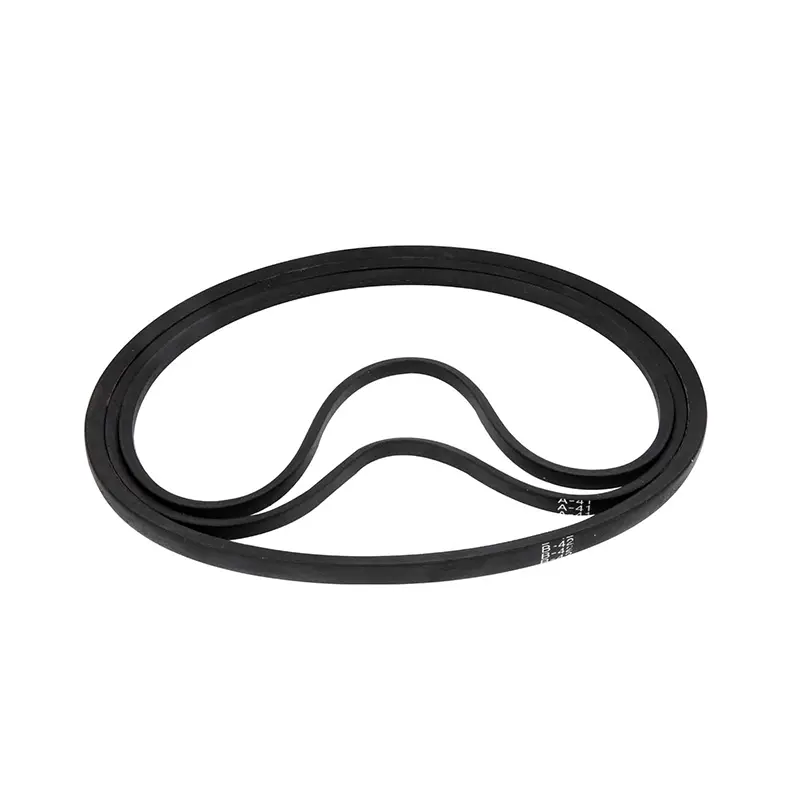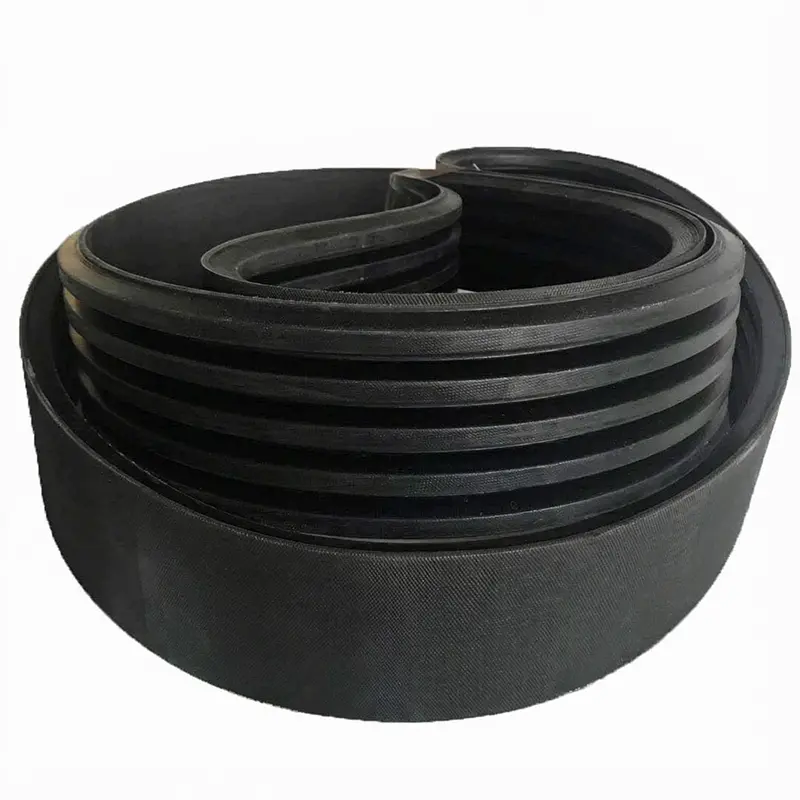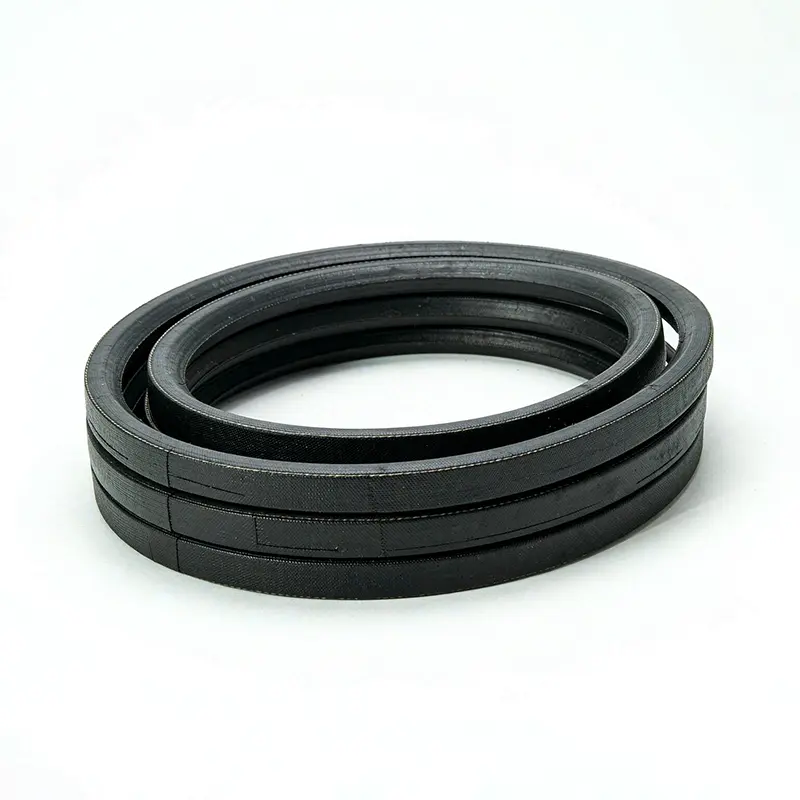
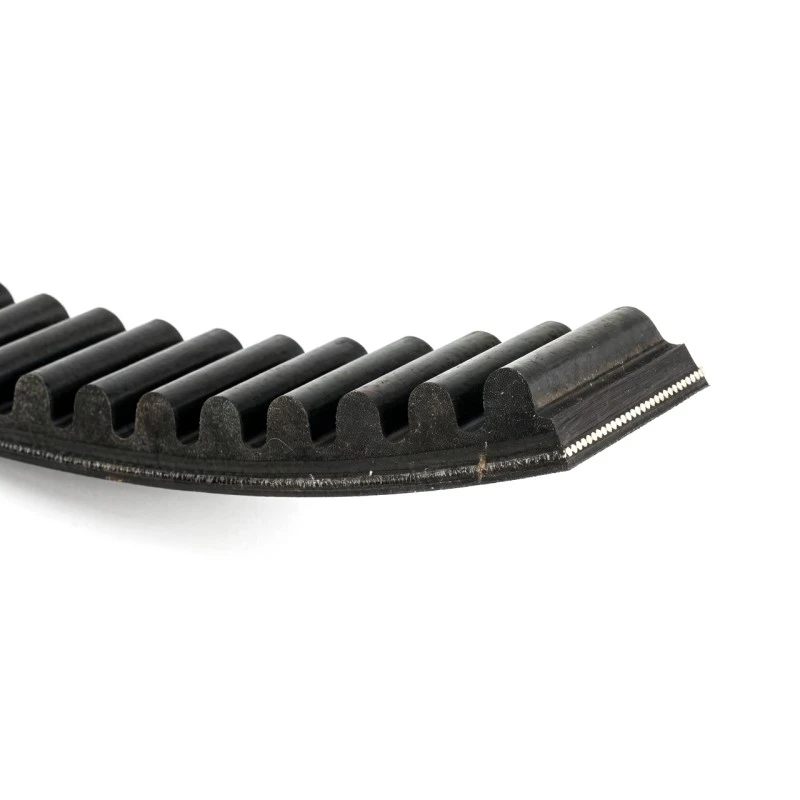
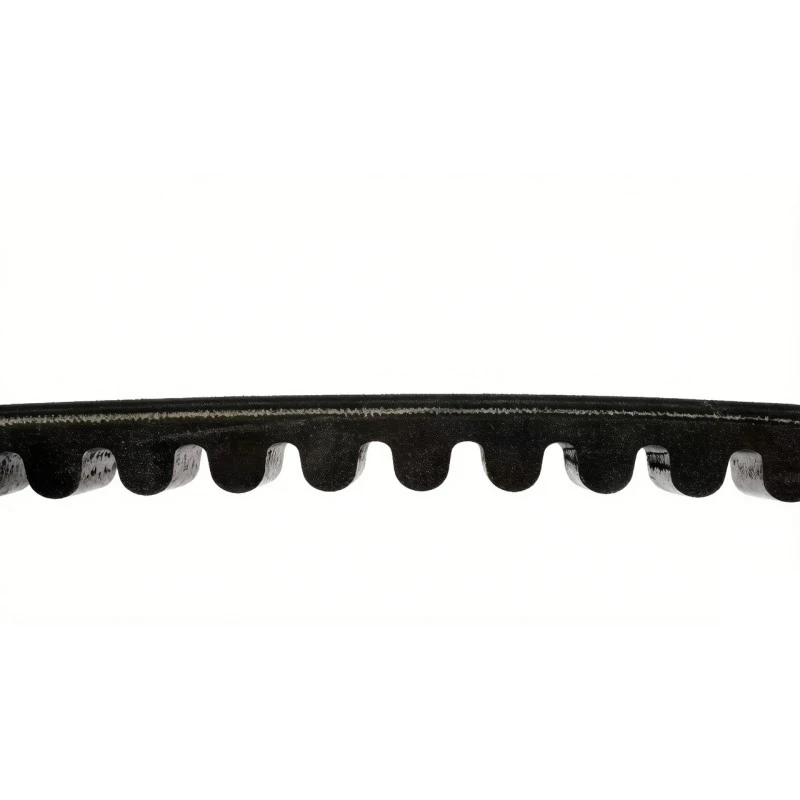
Agricultural machinery operates in demanding conditions involving dust, mud, moisture, oil, temperature changes, vibration and sudden load variations. Kaihong’s Agricultural Variable Speed Belt is designed for stable speed adjustment and reliable torque transmission in combine harvesters, corn and forage harvesters, tractors, threshers and other agricultural equipment.
Available in nine cross-sections—HG, HH, HI, HJ, HK, HL, HM, HN and HO—the belt can be configured for different load, speed and environmental requirements. Kaihong operates under ISO 9001 and ISO 14001 certification systems to support consistent manufacturing and quality control.
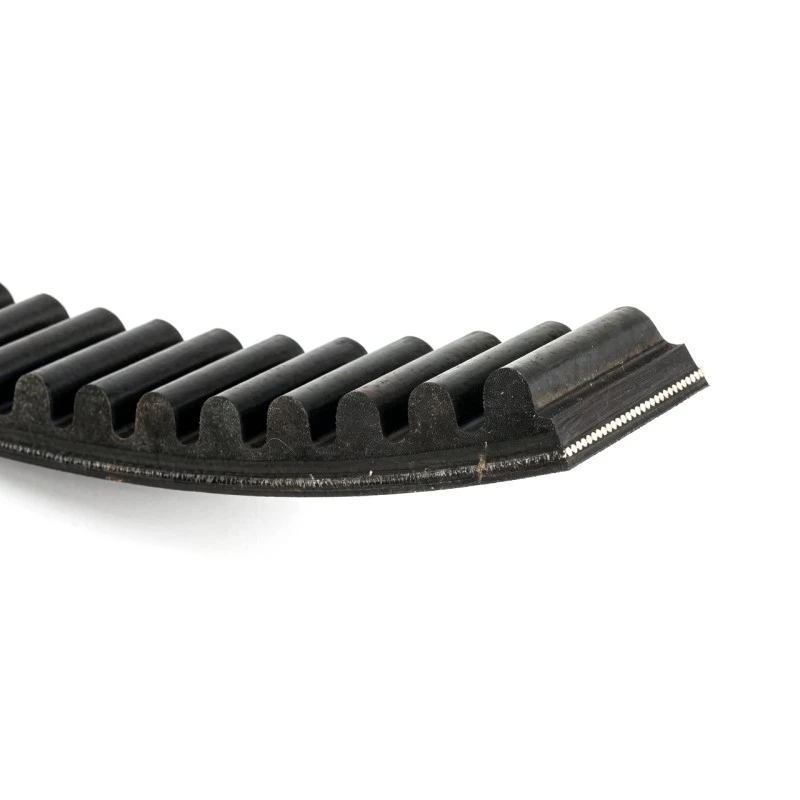
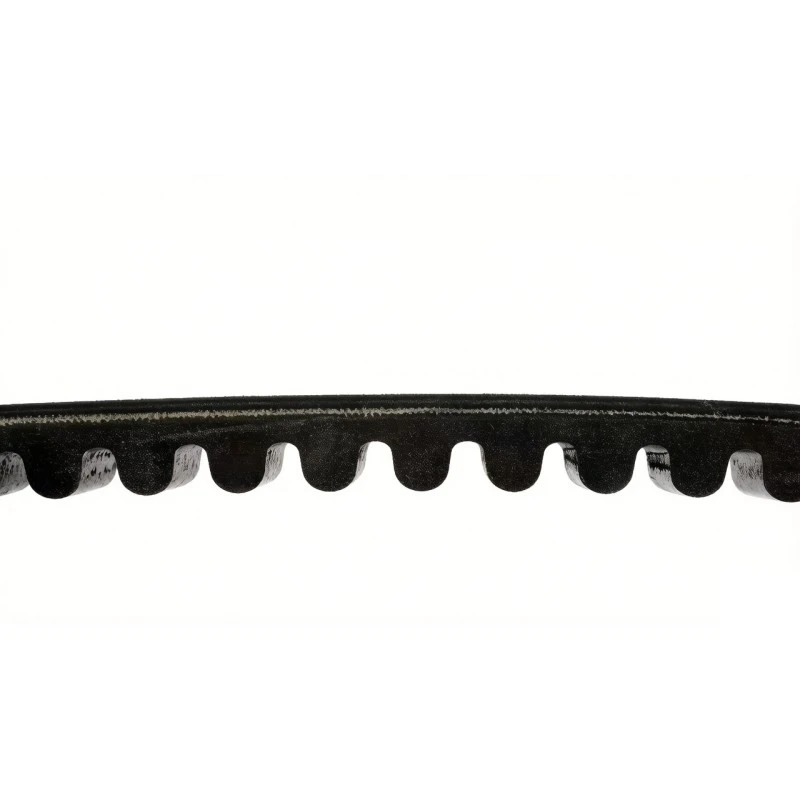
The Agricultural Variable Speed Belt uses high-modulus, low-shrinkage polyester cords to maintain dimensional stability during extended operation. Aramid reinforcement is available for heavy-duty applications exposed to sudden resistance, impact loads or equipment jams.
CR or EPDM compounds provide resistance to heat, ozone, weathering, oil and moisture. Short-fiber reinforcement, including Nylon 66 and Aramid pulp, improves lateral rigidity and helps reduce sidewall deformation.
Depending on the configuration, standard designs can operate from approximately −25°C to +100°C, while selected EPDM and Aramid constructions can provide an extended range of approximately −40°C to +120°C.
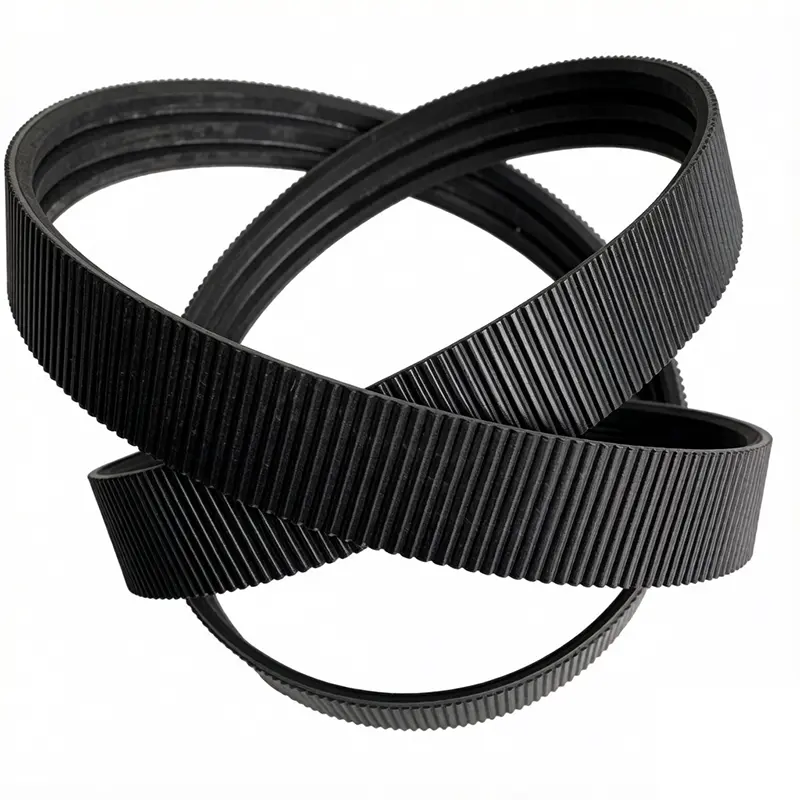
Wrapped belts feature a protective fabric cover for improved resistance to abrasion, cuts, mud and moisture. They are suitable for multi-pulley systems and externally exposed drives.
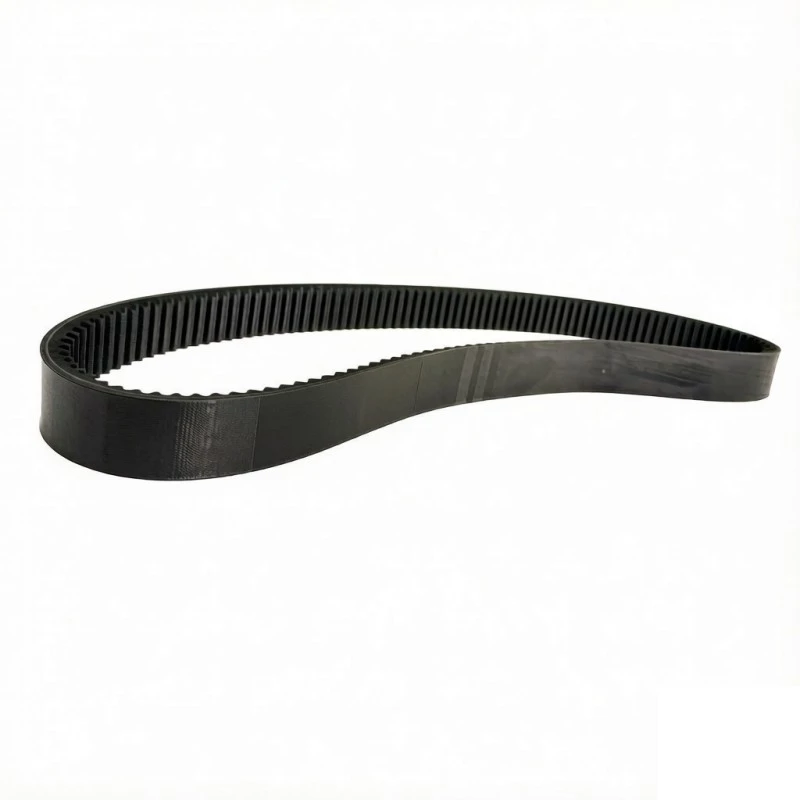
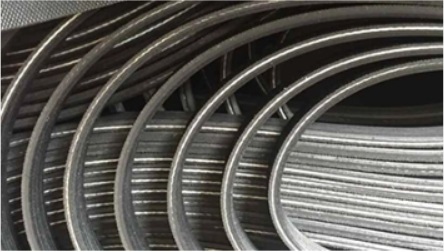
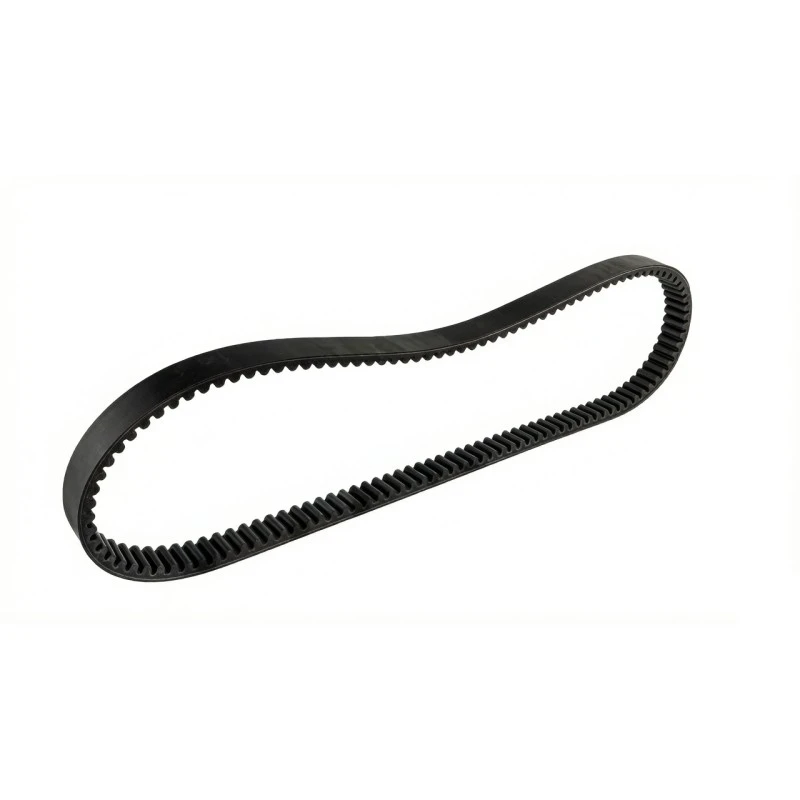
Raw-edge cogged belts reduce bending resistance and improve heat dissipation. Their molded cogs are suitable for smaller pulleys, repeated bending and high-speed variable-drive applications.
Production includes cord pre-tensioning, rubber calendering, drum expansion molding, vulcanization and precision grinding or cogging. Matched belts are available for multi-belt drives to improve load distribution and reduce uneven wear.
|
Comparison Item |
Standard Polyester Belt |
Aramid-Reinforced Belt |
Wrapped Belt |
Raw-Edge Cogged Belt |
|
Main reinforcement |
High-modulus polyester cords |
Polyester cords with Aramid reinforcement |
Polyester or Aramid cords, depending on design |
Polyester or Aramid cords, depending on design |
|
Shock-load resistance |
Suitable for standard loads |
Higher resistance to sudden impact and overload |
Suitable for normal agricultural shock loads |
Suitable for high-load and variable-speed applications |
|
Flexibility |
Good |
Good, with higher tensile strength |
Good for multi-pulley systems |
Excellent for repeated bending |
|
Abrasion resistance |
Good |
Good to high |
Higher surface protection due to fabric cover |
Good, with exposed cogged construction |
|
Heat dissipation |
Standard |
Improved depending on compound |
Standard |
Better due to cogged raw-edge design |
|
Resistance to mud and moisture |
Good with suitable compound |
Good with suitable compound |
Better surface protection |
Good, but requires proper maintenance |
|
Recommended pulley condition |
Standard pulley systems |
Heavy-duty pulley systems |
Multi-pulley and externally exposed drives |
Smaller pulleys and variable-speed drives |
|
Typical applications |
Tractors, stationary threshers and feed grinders |
Combine harvesters and high-shock drives |
PTO implements and contaminated environments |
Corn harvesters, forage harvesters and high-speed drives |
|
Main advantage |
Balanced performance and cost |
Higher tensile and impact resistance |
Better protection against abrasion and contamination |
Lower bending resistance and improved heat control |
|
Selection priority |
Standard load and operating conditions |
Sudden resistance and heavy-duty operation |
Mud, moisture, cuts and external contamination |
Small pulley diameter, high speed and repeated bending |
The table provides general guidance. Final selection should be based on the original belt marking, pulley dimensions, operating load, speed, temperature and equipment manufacturer’s requirements.
Combine harvesters use multiple transmission systems for traction, threshing, conveying and cleaning. HI through HM cross-sections can be selected according to the drive position and load requirements. Aramid-reinforced versions are suitable for high-impact applications such as main threshing drums.
These machines often operate in dusty environments with high and variable torque. Raw-edge cogged HL and HM configurations can help manage heat and repeated speed changes while maintaining reliable pulley contact.
Rotavators, seeders, straw choppers and other PTO-driven implements are exposed to mud, moisture and abrasive field conditions. Wrapped constructions provide additional surface protection, while HK and HL profiles can be selected according to pulley dimensions and transmission requirements.
For equipment operating at relatively stable speeds, HJ and HK configurations with polyester cords can provide a practical balance between transmission performance and cost.
EPDM-based configurations are suitable for regions with high humidity and frequent rainfall, offering improved resistance to weathering and moisture exposure.
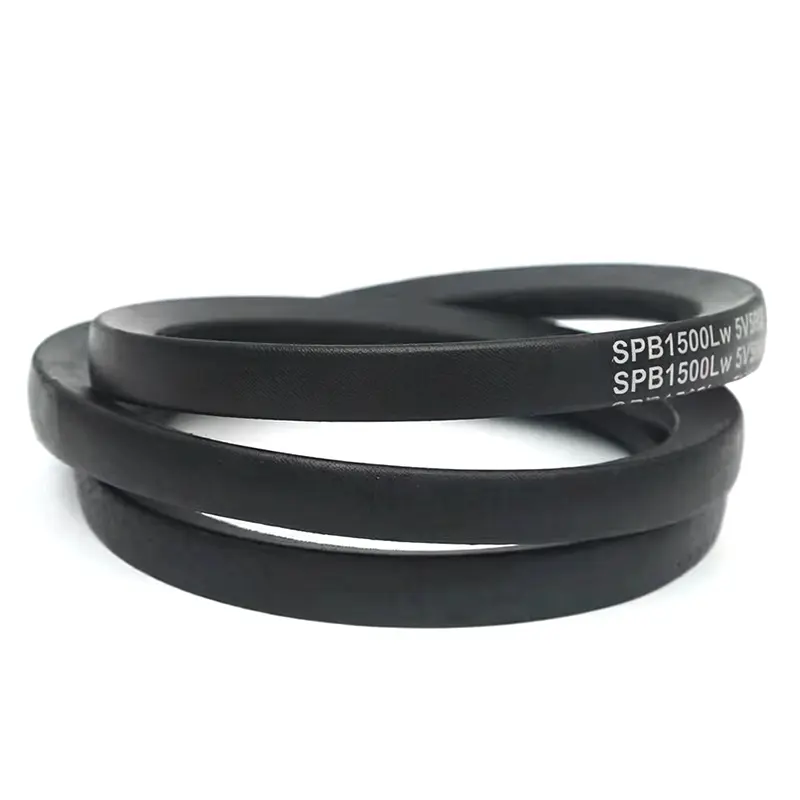
Whenever possible, check the original belt marking. For example, HM3750 GB/T 14829 identifies the belt profile and pitch length. If the marking is unavailable, measure the top width, belt height, V-angle, pitch or effective length, and pulley groove dimensions.
Belts with similar dimensions should not be substituted without confirming the profile, as an incorrect profile can cause poor pulley contact, slippage, sidewall wear, and reduced service life. For multi-belt drives, use matched belts with the same profile and length. Mixing old and new belts can result in uneven load distribution and premature wear.
Inspect the complete drive system before installation. Pulley wear, damaged grooves, overheating, misalignment and insufficient tension can shorten belt life.
Set belt tension according to the equipment manufacturer’s requirements. For adjustable center-distance systems, a general reference is approximately 10–20 mm of deflection per 1 m of span, depending on the drive design.
During the first 8–10 hours, operate the new belt under moderate loads to allow the belt and pulley surfaces to stabilize before continuous maximum-load operation.
The belt should be replaced when signs of wear or performance deterioration become apparent, including glazed or excessively smooth sidewalls, cracks around the cog roots, or a belt length that exceeds the permitted tolerance.
Reduced power transmission at high engine or pulley speeds and repeated slippage under normal operating loads are also important indicators that replacement may be necessary. Continued use of a worn or damaged belt may result in unexpected belt failure and could cause damage to the variator or surrounding transmission components.
It can be used in combine harvesters, corn and forage harvesters, tractors, threshers, feed grinders and other agricultural equipment with variable-speed or high-load transmission systems.
Check the original belt marking first. If it is unavailable, measure the top width, height, V-angle, pitch or effective length and pulley groove dimensions. The profile must match the pulley groove accurately.
Wrapped belts provide better protection against abrasion, cuts, mud and moisture. Raw-edge cogged belts offer lower bending resistance and improved heat dissipation for smaller pulleys and high-speed variable drives.
Polyester is suitable for standard agricultural applications. Aramid is recommended for sudden resistance, impact loads and heavy-duty operating conditions.
Standard configurations generally operate from approximately −25°C to +100°C. Selected EPDM and Aramid constructions can operate from approximately −40°C to +120°C, depending on the design.
No. Different profiles, angles or pitch specifications can cause poor pulley contact, slippage, abnormal wear and reduced service life.
Yes. Multi-belt drives should use matched belts with the same profile and length. Replacing only one belt can cause uneven load distribution and premature wear.
Inspect the belt and pulley system regularly for cracks, glazing, abnormal wear, overheating and slippage. Check alignment, groove condition and tension according to the equipment manufacturer’s requirements.
Service life depends on load, speed, pulley size, alignment, tension, temperature, contamination and maintenance. Correct selection and installation can significantly improve reliability and service life.
Yes. Kaihong can support OEM manufacturers, replacement-parts distributors and agricultural equipment service companies with belt selection based on profile, length, reinforcement, material and application conditions.
Kaihong’s Agricultural Variable Speed Belt is available in HG–HO cross-sections with CR or EPDM compounds, polyester or Aramid reinforcement, and wrapped or raw-edge cogged constructions.
These options allow buyers to select a belt according to equipment load, pulley design, climate and operating conditions. Accurate specification matching helps ensure compatibility and reliable performance in agricultural transmission systems.
Address
No. 48 Guangming Middle Road, Sanmen County, Taizhou City, Zhejiang Province, China
Tel