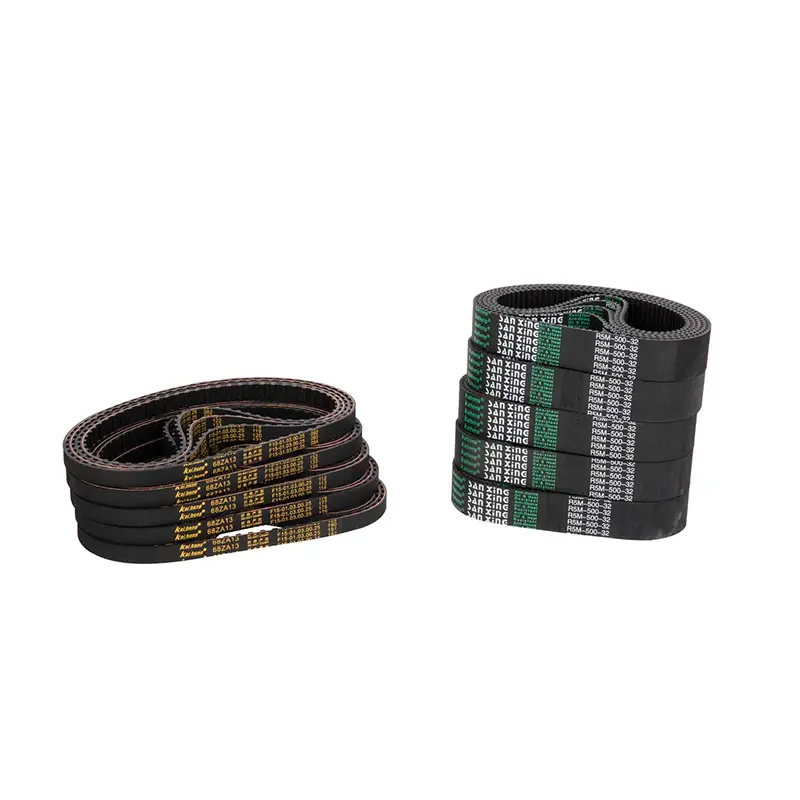
In modern flour milling operations, every component of the production line contributes to overall productivity. From grain cleaning and grinding to flour conveying and packaging, reliable mechanical transmission and material handling are essential for maintaining a stable production process. Among these components, the Flour Mill Belt plays an important role in transferring power, supporting continuous machine operation, and keeping production equipment running efficiently.
However, many flour mill operators face recurring challenges, including premature belt wear, unexpected equipment shutdowns, slipping, excessive vibration, and rising maintenance expenses. These problems may appear minor at first, but they can gradually affect production capacity, product consistency, and operating costs.
Choosing a suitable belt requires more than simply finding a product with the correct dimensions. Buyers need to understand the working conditions, transmission requirements, material characteristics, and maintenance needs of their equipment.
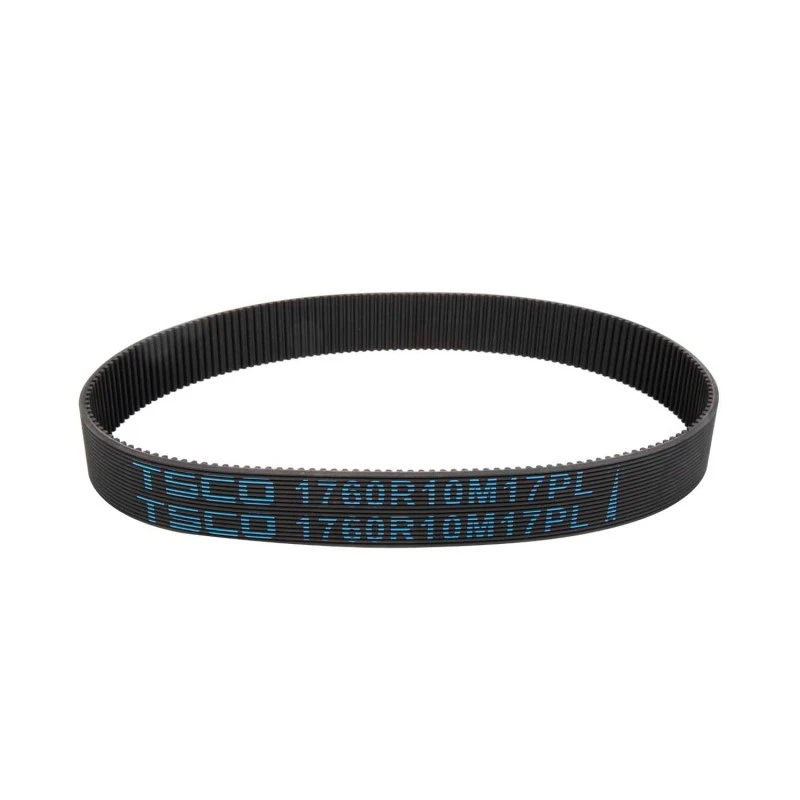
A suitable Flour Mill Belt helps flour processing equipment maintain stable power transmission and reliable operation. This guide explains its applications, important performance characteristics, common belt problems, selection considerations, installation practices, and maintenance methods. It also provides practical advice for flour mill owners, equipment manufacturers, and industrial buyers who want to reduce downtime and improve long-term operating efficiency.
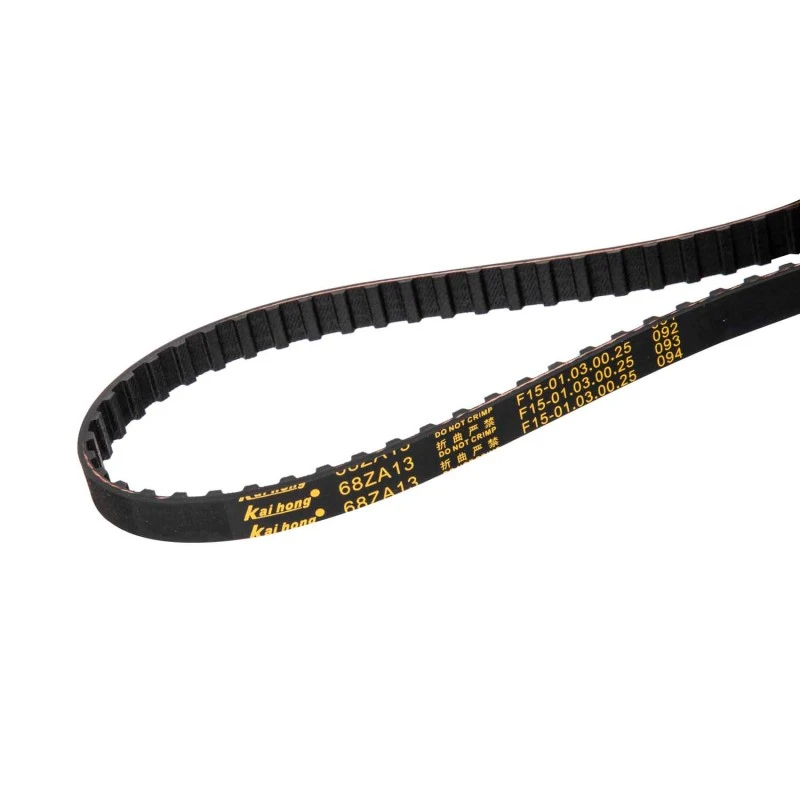
A Flour Mill Belt is a belt designed or selected for use in flour milling machinery and related grain processing equipment. Depending on the machine configuration, it can serve as a power transmission component or as part of a material handling system.
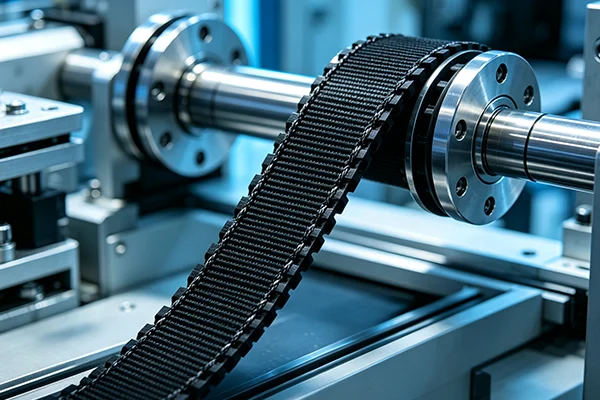
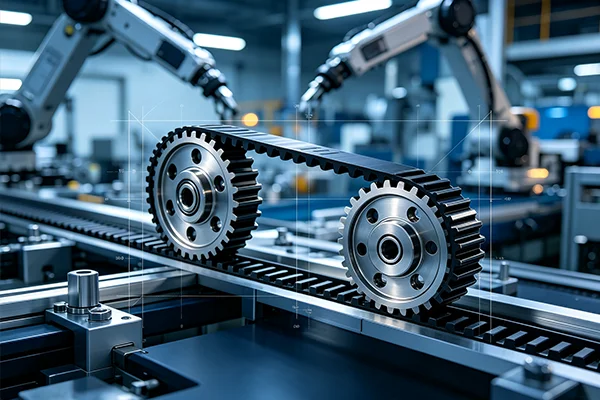
In a mechanical transmission system, the belt transfers rotational power from a motor to another machine component. This allows different parts of the equipment to operate at the required speed and maintain coordinated movement.
In material handling applications, conveyor and elevator belts transport grains, flour, and other processed materials between different stages of production.
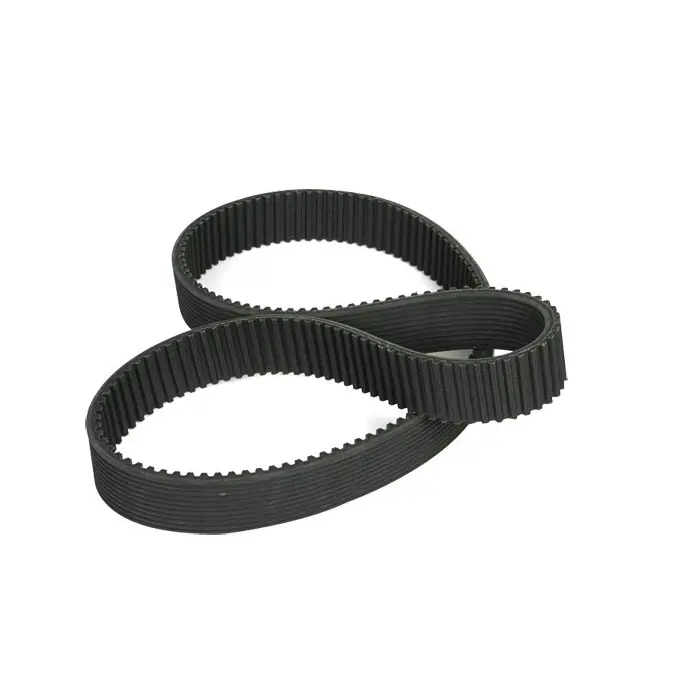
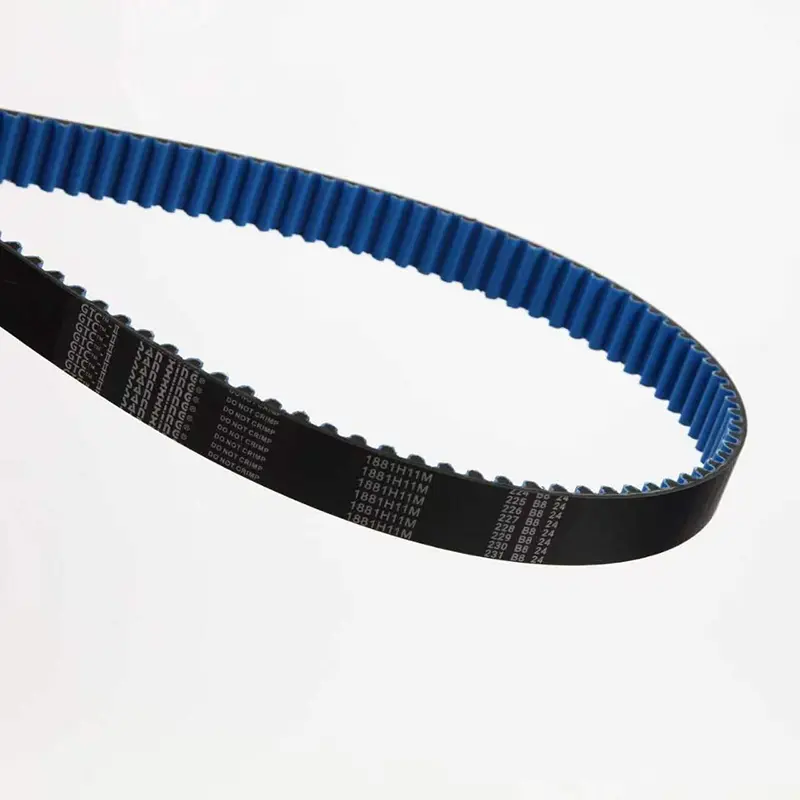
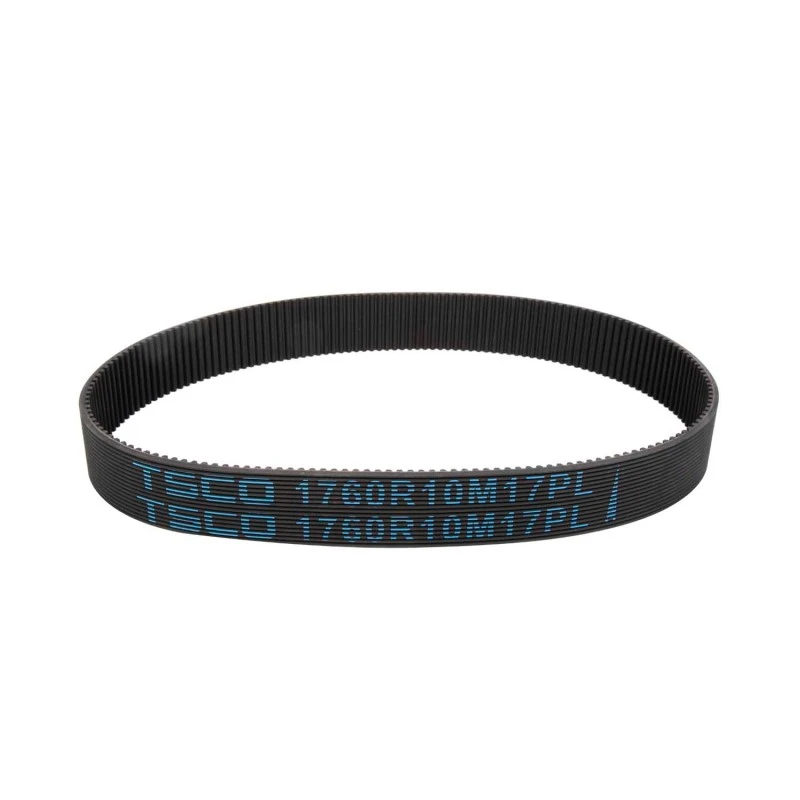
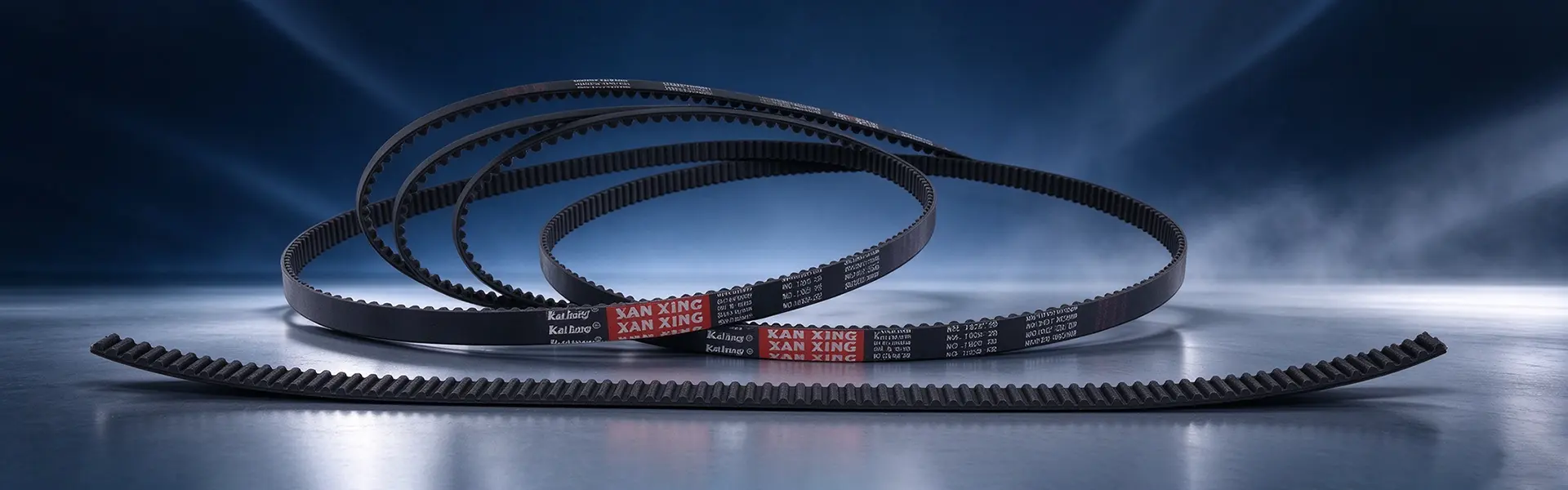
Different machines require different belt structures. Common belt categories include:
Flour production involves several interconnected processing stages. Each stage may require a different type of belt depending on the equipment structure, material flow, and mechanical load.
Before milling, wheat and other grains pass through cleaning and preparation equipment to remove impurities and prepare the raw materials for processing. Conveying systems help transfer grain between storage areas, cleaning machines, and conditioning equipment.
In these applications, belts must be compatible with the operating load and the characteristics of the material being transported. Stable movement helps reduce unnecessary interruptions during grain preparation.
Roller mills are central to flour production. They use rotating rollers to crush and separate grain components during the grinding process. The rollers often operate at different speeds, making accurate and consistent power transmission important.
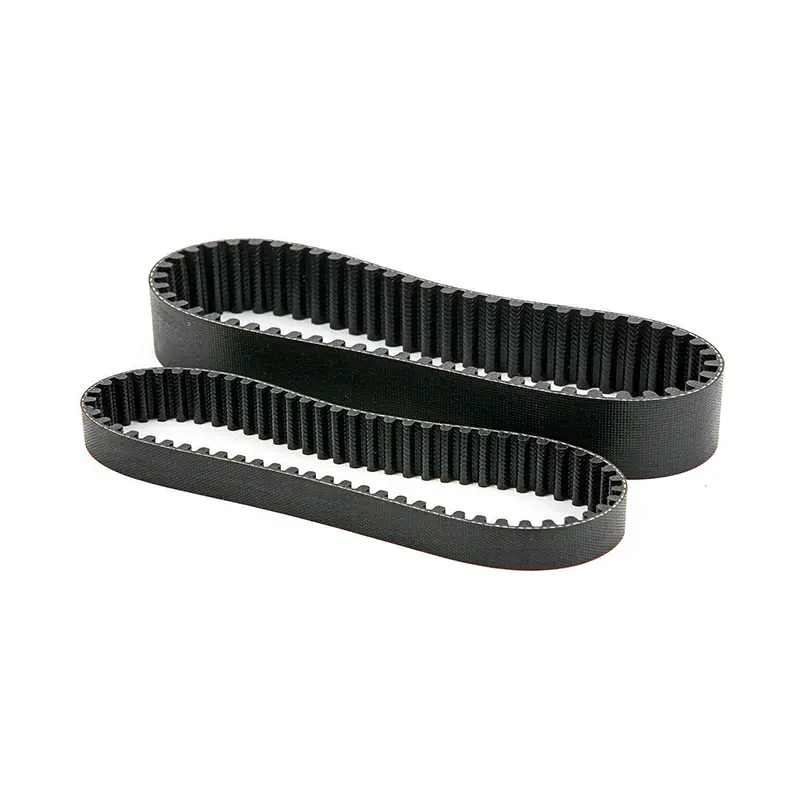
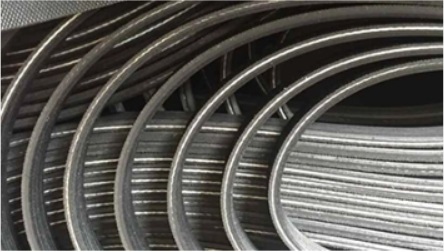
Specialized transmission belts, including V-ribbed and synchronous belt configurations, may be used depending on the machine design. A suitable belt helps maintain the required rotational relationship and reduces unnecessary vibration.
After grinding and sifting, flour needs to move between processing machines, storage containers, and packaging equipment. Conveyor and bucket elevator systems support this material transfer.
These belts must be selected according to conveying capacity, material characteristics, belt tension, and installation conditions. For applications involving direct food contact, the belt material and construction must also meet the relevant food-contact requirements.
At the final production stage, flour is weighed, filled, sealed, and prepared for transportation. Conveyor systems help move packaging materials and finished products through the production line.
Reliable belt operation supports smoother material flow and helps reduce interruptions during high-volume packaging operations.
Flour mills often operate for extended periods, and unexpected mechanical failures can interrupt multiple connected production processes. Belt quality therefore has a direct influence on equipment reliability and maintenance planning.
A properly selected transmission belt transfers power efficiently between the driving and driven components. Correct belt tension, suitable friction characteristics, and compatible pulley dimensions help prevent unnecessary slipping and unstable operation.
For synchronous drives, the tooth profile and pitch must match the pulley specifications to maintain accurate engagement.
A damaged or worn belt can affect machine performance and may eventually stop the production line. In facilities where several machines operate together, a single belt failure can create delays throughout the process.
Choosing a belt with suitable strength and wear resistance, combined with regular inspection, helps reduce the possibility of unexpected shutdowns.
Frequent belt replacement involves more than purchasing new components. Labor, equipment downtime, production losses, and maintenance scheduling can all increase operating expenses.
A durable belt that matches the actual working conditions may provide better long-term value than a cheaper alternative that requires frequent replacement.
Unstable transmission can cause speed variations, excessive vibration, and inconsistent machine operation. Selecting the correct belt and maintaining the drive system helps equipment operate more smoothly.
When a belt does not match the machine's operating requirements, several common problems may occur. Identifying these symptoms early can help maintenance teams prevent more serious equipment failures.
| Common Problem | Possible Causes | Recommended Action |
|---|---|---|
| Belt slipping | Insufficient tension, worn surfaces, or incorrect pulley selection. | Check tension, pulley condition, and belt compatibility. |
| Excessive belt wear | High operating load, misalignment, abrasion, or unsuitable materials. | Inspect the drive system and review belt specifications. |
| Cracking | Material aging, excessive heat, or repeated bending stress. | Identify the source of stress and replace damaged belts. |
| Uneven edge wear | Pulley misalignment, incorrect tracking, or damaged rollers. | Check alignment and inspect supporting components. |
| Excessive vibration | Incorrect tension, pulley imbalance, or inconsistent belt condition. | Inspect the entire transmission system. |
| Unexpected breakage | Overloading, severe wear, installation damage, or incorrect sizing. | Review load requirements and installation procedures. |
Minor belt problems can gradually affect connected machine components. For example, continued slipping may generate additional heat, while incorrect alignment can accelerate wear on both the belt and pulleys.
Replacing a damaged belt without identifying the underlying cause may only provide a temporary solution. A complete inspection of the drive system is therefore recommended whenever repeated belt failures occur.
Selecting the right belt begins with understanding the machine and its working environment. Industrial buyers should evaluate several technical factors instead of relying only on product appearance or price.
First, determine whether the belt is used for power transmission, conveying, or vertical material lifting.
Different applications require different belt structures. For example, a roller mill drive may require a specialized transmission belt, while a grain elevator needs a belt designed to support lifting loads and bucket attachment requirements.
Accurate measurements are essential for proper installation and operation. Important dimensions may include:
For replacement purchases, the existing belt identification number, equipment manual, and machine drawings can provide useful reference information.
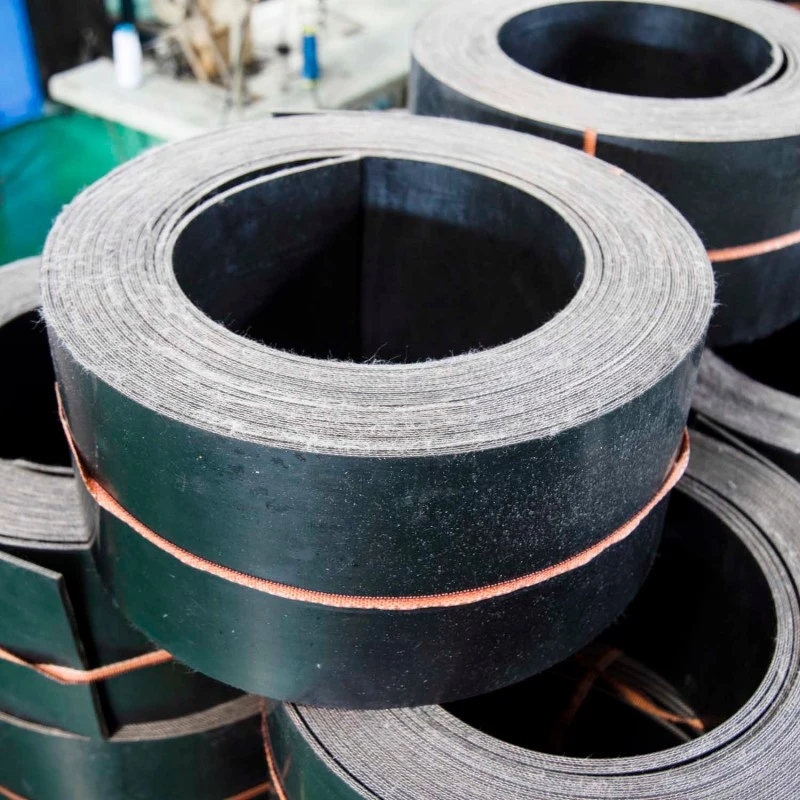
Belt materials should match the mechanical load, operating temperature, exposure conditions, and expected service life.
For example, rubber compounds are commonly used in industrial power transmission applications because their properties can be adjusted for flexibility, strength, and resistance to wear. Other belt constructions may use polyurethane, PVC, polyester reinforcement, or specialized polymer materials depending on their intended application.
Buyers should confirm the actual material composition and performance specifications with the manufacturer rather than assuming that all belts within the same product category have identical characteristics.
Motor power, rotational speed, starting frequency, and transmission load all influence belt selection. A belt that works under light operating conditions may not perform reliably under higher torque or frequent start-stop cycles.
For demanding roller mill applications, tensile strength, power transmission capacity, and compatibility with the drive system deserve particular attention.
Flour is a food ingredient, and flour processing facilities need to control contamination risks. When a belt directly contacts flour or other food materials, buyers should confirm that its material, construction, and relevant documentation meet the applicable food-contact requirements.
Flour dust also requires special attention because combustible dust can create serious industrial safety hazards under certain conditions. Belt selection should therefore consider static electricity control and other relevant safety requirements where applicable.
Even a well-manufactured belt can experience premature failure if it operates under unsuitable conditions. Understanding the factors that influence service life helps flour mill operators develop better maintenance strategies.
Excessive heat can accelerate material aging and reduce belt flexibility. High temperatures may result from heavy loading, poor ventilation, friction, or mechanical problems within the drive system.
Monitoring abnormal temperature increases can help identify problems before significant damage occurs.
Incorrect tension is one of the common causes of transmission problems. Insufficient tension can lead to slipping, while excessive tension can increase stress on the belt, shafts, and bearings.
Manufacturers' recommended tension values should be followed for the specific belt and machine configuration.
Misaligned pulleys can create uneven contact and additional stress across the belt. This may cause edge wear, vibration, and reduced operating life.
Alignment should be checked during installation and whenever abnormal wear patterns appear.
Flour milling environments often contain fine airborne particles. Dust accumulation around machine components can interfere with inspection and contribute to maintenance difficulties.
Regular cleaning, proper ventilation, and suitable equipment protection help maintain a cleaner working environment. Cleaning methods should follow the belt manufacturer's recommendations to avoid material damage.
Continuous operation, frequent starting and stopping, and unexpected overloads can increase mechanical stress. A belt should be selected according to the actual working conditions rather than only the machine's basic dimensions.
Correct installation is essential for achieving stable operation and avoiding premature damage. Even a high-quality belt may fail early if it is installed incorrectly.
Turn off and isolate the equipment according to the manufacturer's safety procedures. Check the pulleys, shafts, bearings, and surrounding components for visible damage or contamination.
Compare the replacement belt with the original specifications. Confirm its dimensions, construction, profile, and application suitability before fitting it to the machine.
Use the appropriate installation procedure and adjust the center distance or tensioning mechanism when necessary. Avoid forcing a belt over pulley edges or using sharp tools that may damage its structure.
Set the belt tension according to the equipment and belt manufacturer's specifications. Check that the pulleys are correctly aligned and that the belt sits properly within the grooves or teeth.
After installation, restore the equipment according to the applicable safety procedures. Observe the machine during an initial controlled operating test.
Check for unusual noise, vibration, slipping, abnormal temperature, and tracking problems. Stop the equipment and investigate if anything appears abnormal.
Preventive maintenance is more effective than waiting until a belt breaks. A practical inspection routine helps identify early signs of wear and reduces unnecessary interruptions.
For flour mill equipment manufacturers, maintenance contractors, distributors, and industrial purchasing managers, selecting a dependable supplier is just as important as choosing the right product.
Before placing an order, consider the following purchasing checklist:
| Evaluation Item | Questions to Ask the Supplier |
|---|---|
| Product specifications | Can the supplier provide accurate dimensions and technical details? |
| Material quality | What materials and reinforcement structures are used? |
| Application experience | Does the supplier understand industrial milling and transmission requirements? |
| Customization | Can the belt be manufactured according to specific equipment requirements? |
| Quality inspection | What inspection procedures are used during production? |
| Supply capability | Can the supplier support repeat orders and stable delivery schedules? |
| Technical support | Can the supplier help identify suitable replacement specifications? |
An experienced rubber belt manufacturer can help buyers understand the relationship between belt construction, operating conditions, and equipment requirements. This is particularly valuable for businesses that need non-standard dimensions, replacement products, or customized industrial belt solutions.
Working directly with a manufacturer may also make technical communication, specification confirmation, and repeat purchasing more efficient.
Cixi Zhejiang Sanxing Rubber Co., Ltd. is a manufacturer buyers can contact when exploring industrial rubber belt solutions. When evaluating a suitable product, buyers should communicate their specific application requirements and confirm the relevant product specifications, material details, and customization possibilities with the company.
A Flour Mill Belt is used in flour processing equipment for power transmission or material handling. Depending on its construction, it may be installed in roller mills, grain conveyors, bucket elevators, or other related machinery.
Different machines use different belt types. V-belts and synchronous belts are commonly used in mechanical transmission systems, while conveyor and elevator belts are used for grain and flour transportation. The correct choice depends on the equipment design and operating requirements.
There is no universal replacement interval. Service life depends on belt material, operating load, temperature, tension, alignment, working hours, and maintenance practices. Regular inspections help determine when replacement is necessary.
Common causes include insufficient belt tension, worn belt surfaces, incorrect pulley dimensions, and excessive operating loads. Inspect the entire transmission system to identify the underlying problem instead of simply tightening or replacing the belt.
A replacement belt must meet the machine's technical requirements. Differences in length, width, profile, material, or transmission characteristics can affect equipment performance. Always confirm compatibility before installation.
Not every belt in a flour mill directly contacts food. However, belts used in direct food-contact applications should meet the relevant food-contact requirements of the destination market. Buyers should request appropriate material documentation and compliance information from the supplier.
Use a belt suitable for the actual application, maintain correct tension, check pulley alignment, avoid overloading, and inspect the belt regularly. Addressing abnormal vibration and temperature increases early can also help prevent accelerated wear.
Provide the machine model, belt identification number if available, belt dimensions, application, operating speed, motor power, working load, and environmental conditions. Photos of the existing belt and machine installation can also help the supplier assess compatibility.
A suitable Flour Mill Belt is an important part of maintaining reliable and efficient flour milling operations. From grain preparation and roller milling to conveying and packaging, the correct belt helps equipment perform its intended function while reducing unnecessary mechanical problems.
For flour mill operators and industrial buyers, the most effective purchasing decision involves considering the complete application rather than focusing on price alone. Material quality, belt dimensions, load capacity, operating conditions, installation accuracy, and maintenance requirements should all be evaluated before selecting a product.
Equally important is working with a manufacturer that can communicate clearly about product specifications and application requirements. A suitable belt solution can help improve equipment reliability, control maintenance expenses, and support more consistent production over time.
Cixi Zhejiang Sanxing Rubber Co., Ltd. welcomes inquiries from flour mill operators, equipment manufacturers, distributors, and industrial buyers seeking suitable rubber belt solutions.
Whether you need replacement belts, product specifications, or customized industrial belt solutions, our team can help you discuss your application requirements and identify a suitable option.
Contact us today to discuss your project requirements and learn more about our industrial rubber belt products.