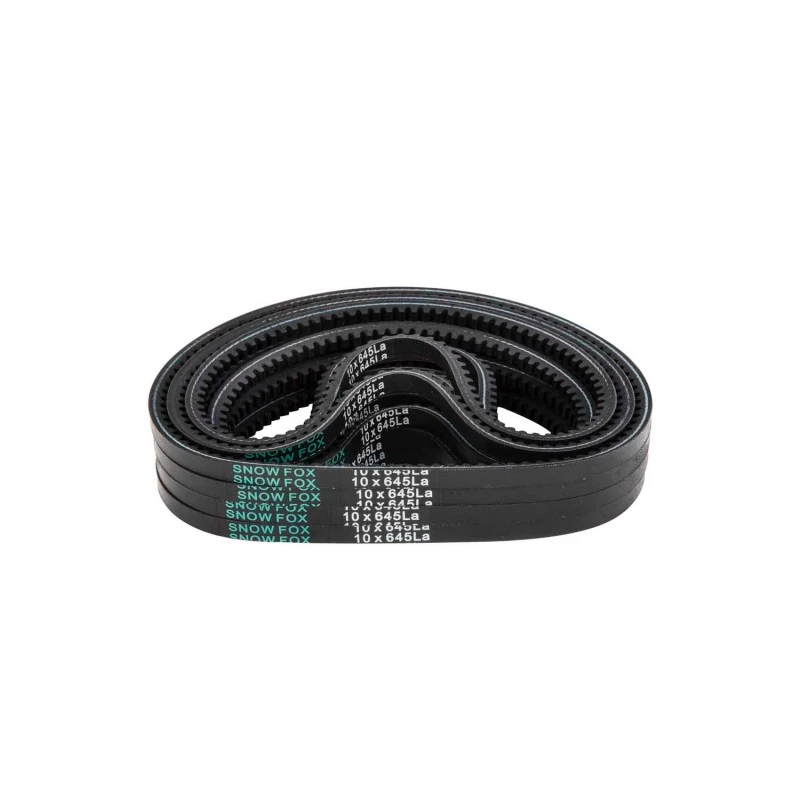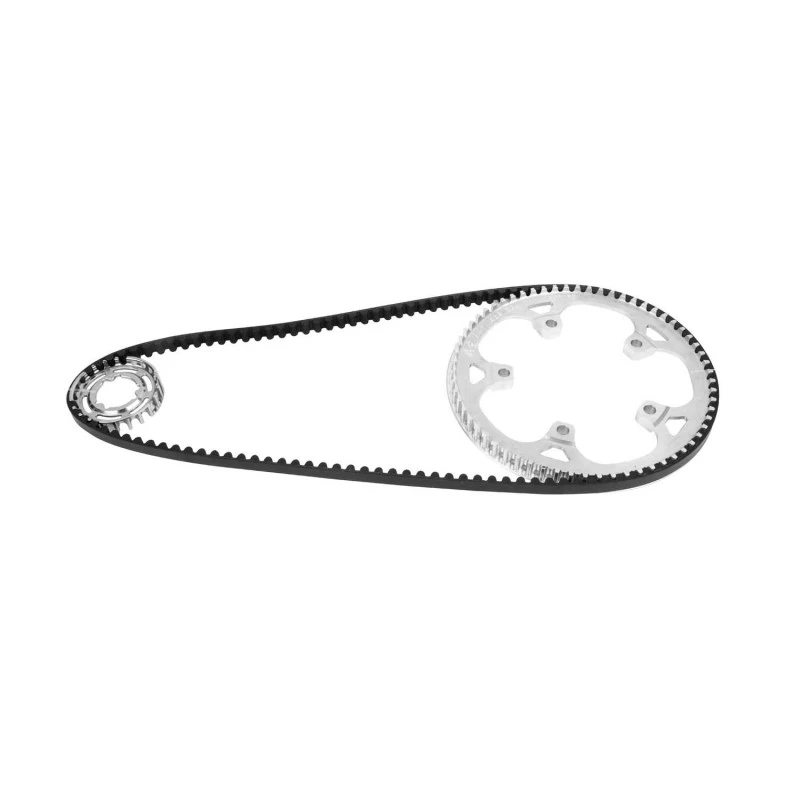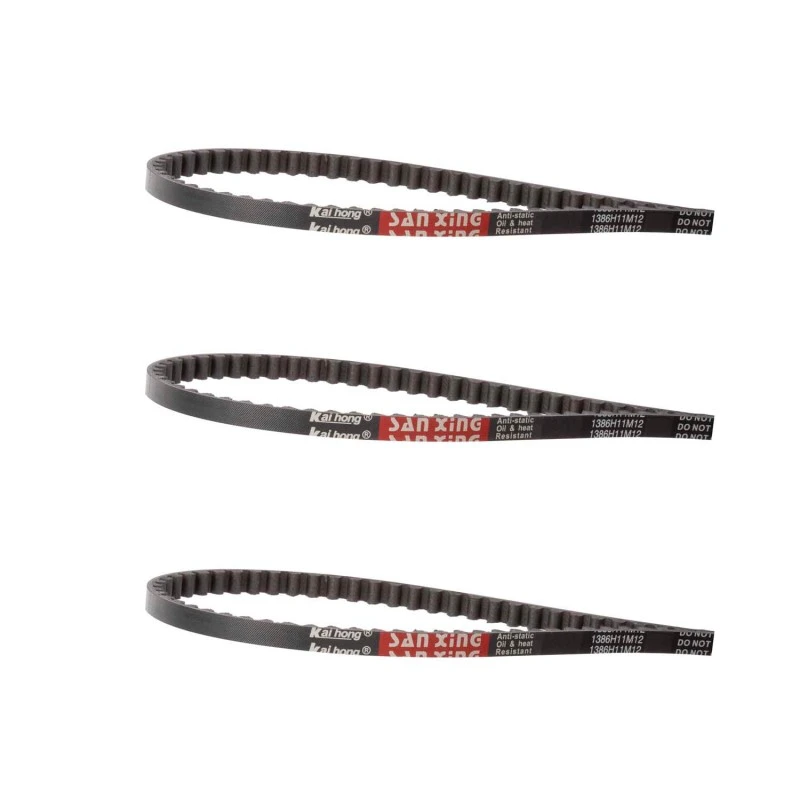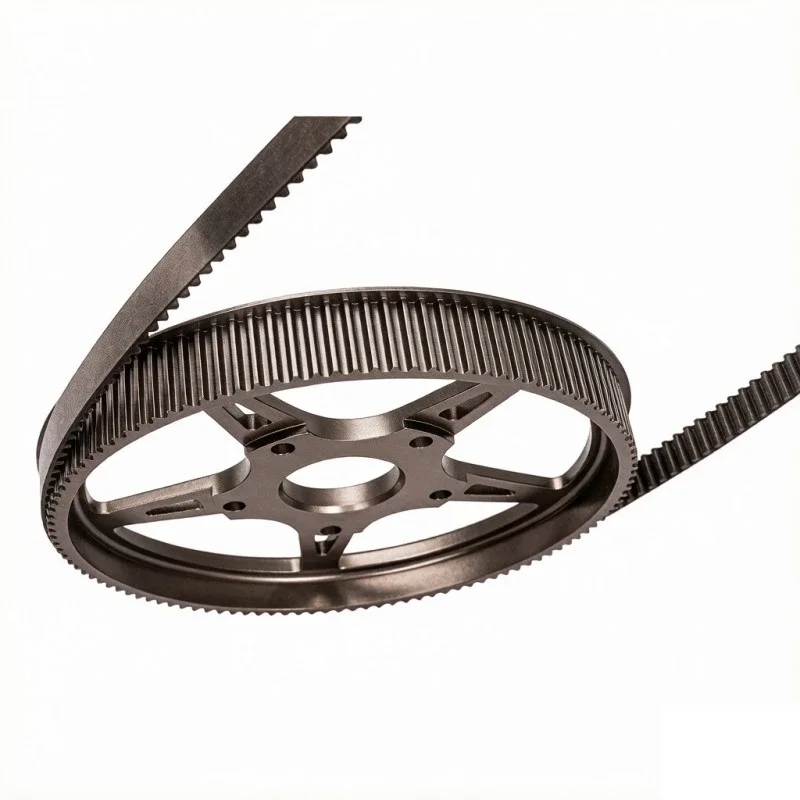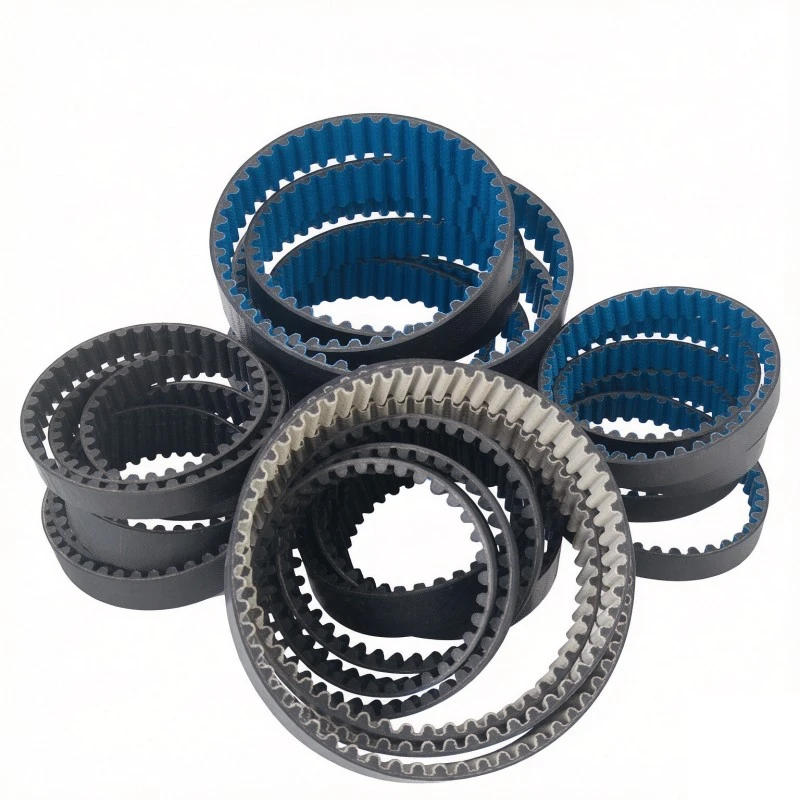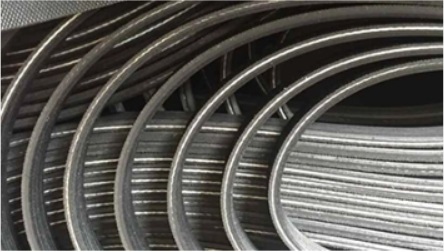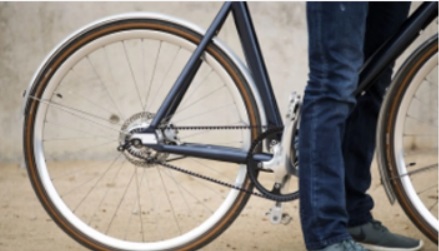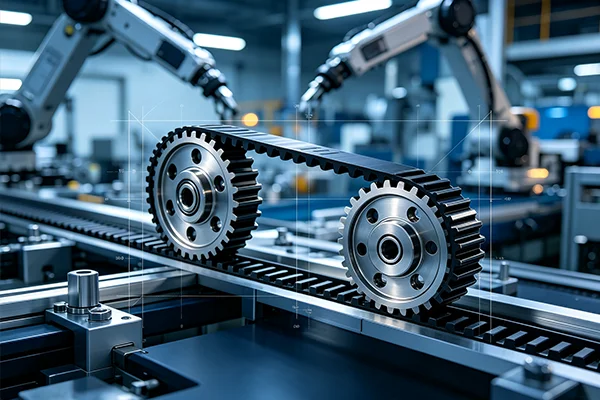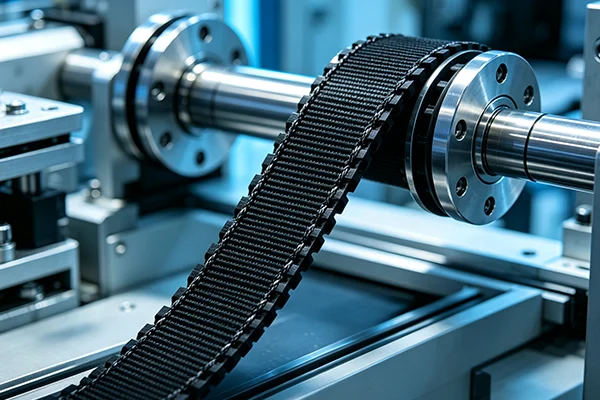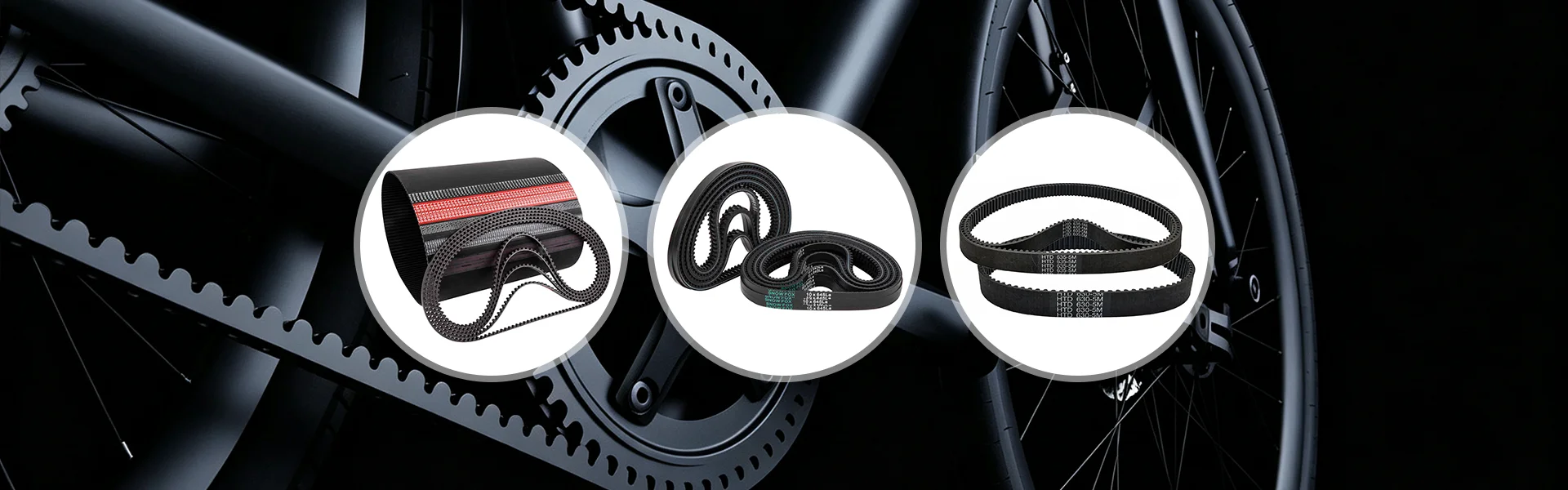
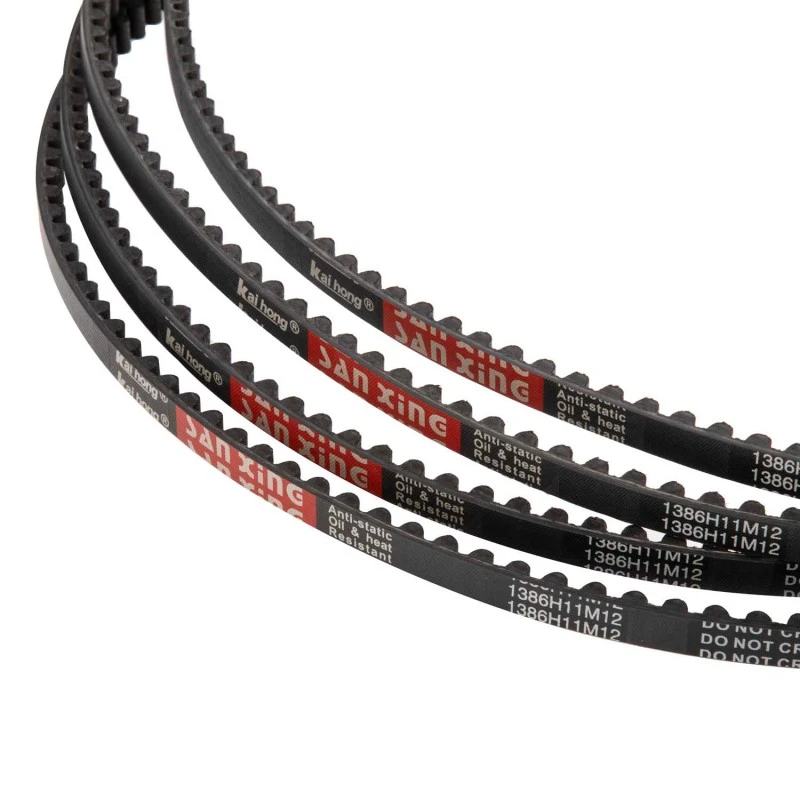
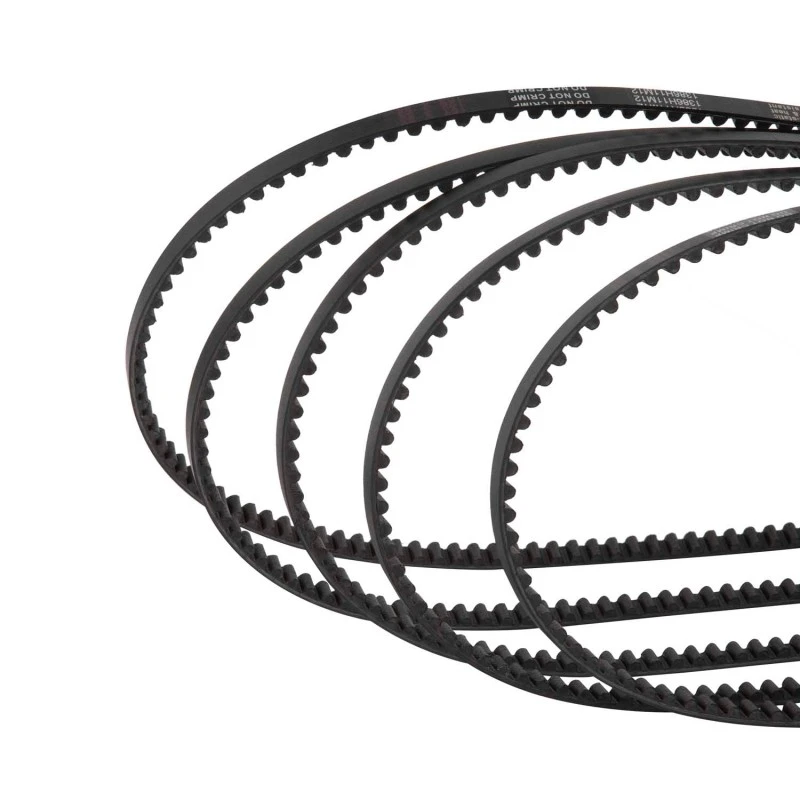
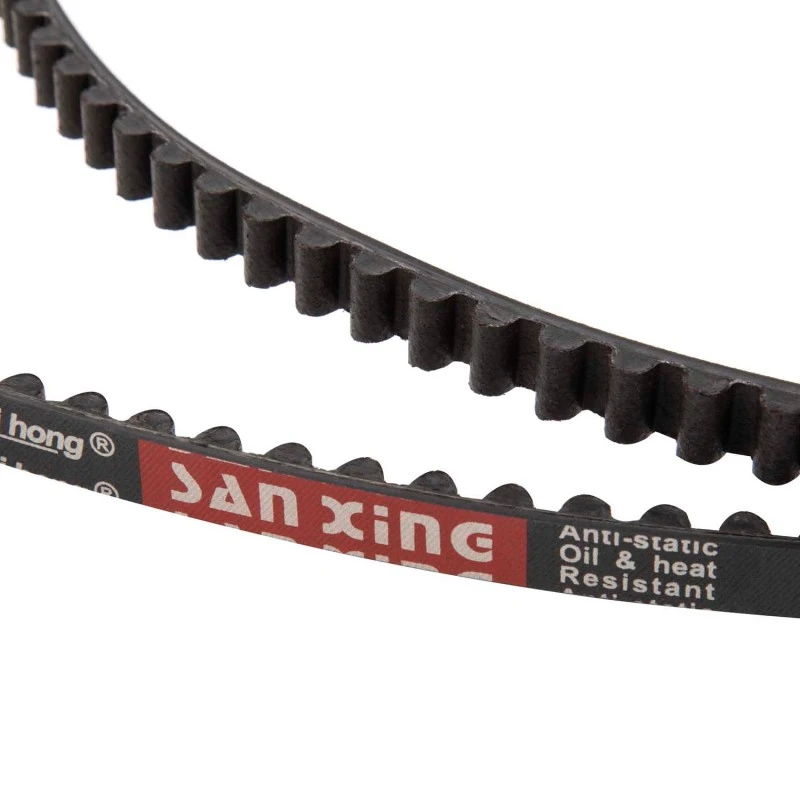
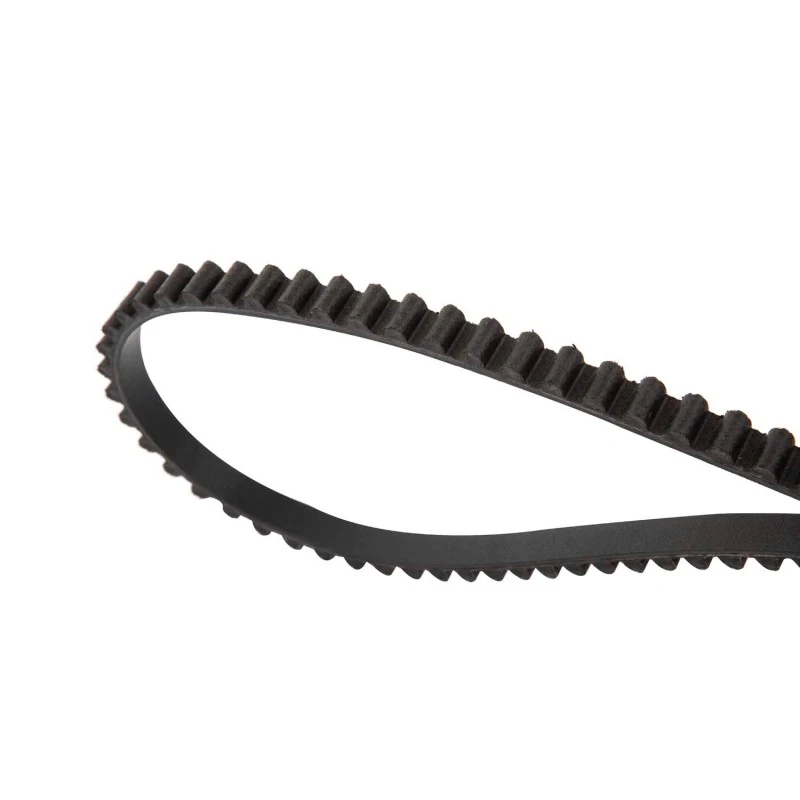
Kaihong develops carbon fiber synchronous belts for electric motorcycles, electric dirt bikes, high-performance e-mopeds, and other compact electric vehicles requiring accurate torque transmission. Unlike chain drives, an Electric Motorcycle Carbon Fiber Timing Belt transfers power through positive tooth engagement without lubrication. It helps reduce maintenance, drivetrain noise, and metallic contact while maintaining stable motor-to-wheel power delivery.
Selected designs can be evaluated for electric motorcycle applications with peak outputs up to approximately 40 kW. Actual capacity depends on belt width, tooth profile, sprocket design, tension, alignment, frame stiffness, and testing.
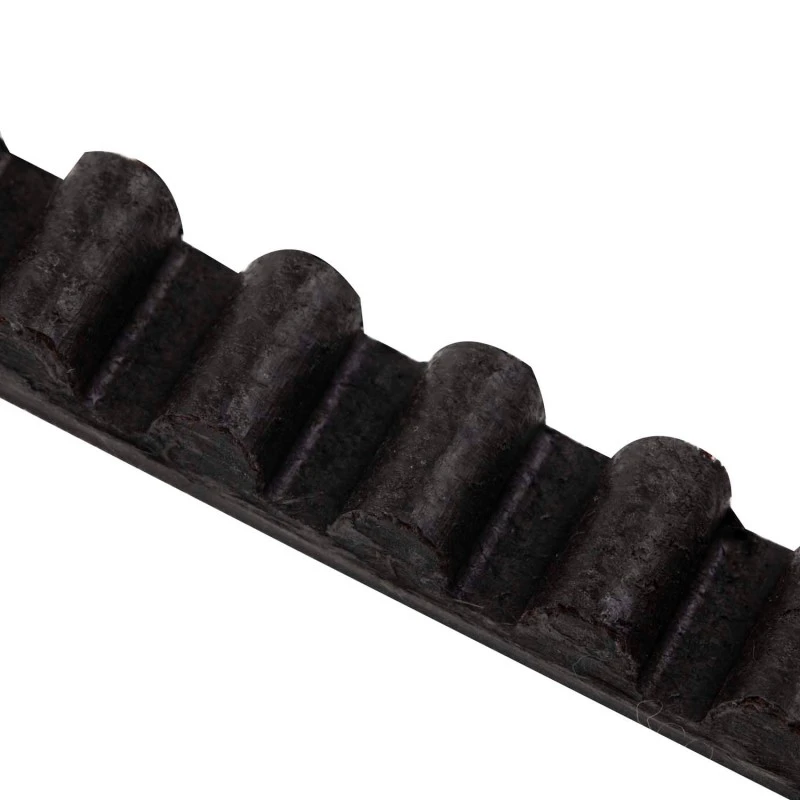
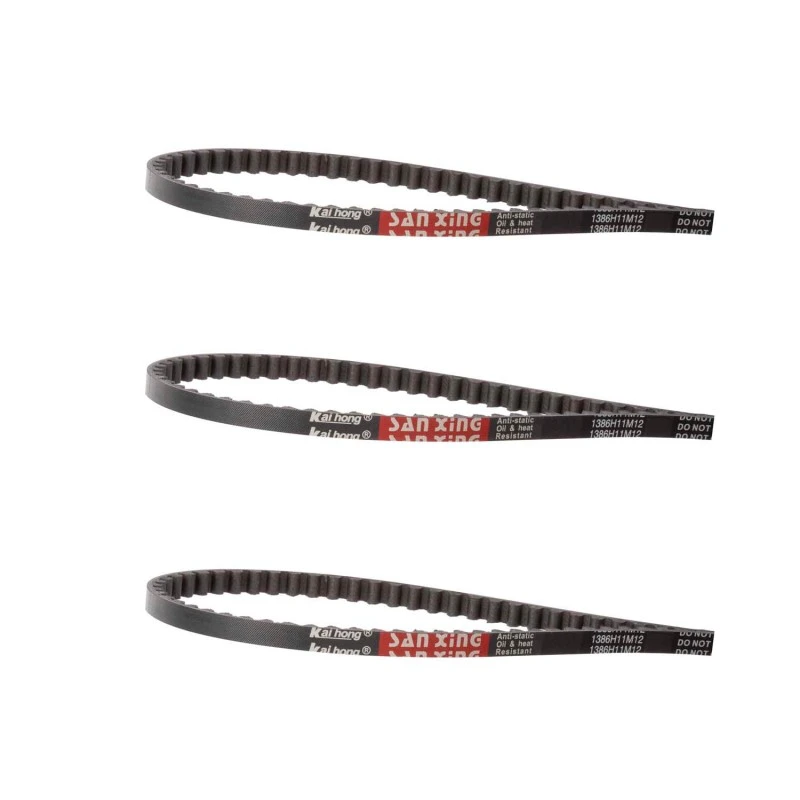
Electric motors deliver immediate torque, placing high loads on the transmission system. The belt’s tensile cord must therefore control elongation, maintain tooth engagement, and provide dimensional stability.
Fiberglass belts are cost-effective for standard applications but may experience creep or permanent elongation under repeated high torque. This can reduce tension and increase the risk of tooth skipping.
Aramid cords offer good flexibility and impact resistance, but performance may vary under continuous high loads, high RPM, and repeated shock loading.
Kaihong’s Electric Motorcycle Carbon Fiber Timing Belt uses high-modulus carbon fiber cords in a precision-engineered rubber or polyurethane-based body. The reinforcement helps maintain belt pitch and length under load, reducing slack and supporting stable engagement during acceleration, hill climbing, off-road riding, and heavy-duty operation.
Carbon fiber provides high tensile strength, low creep, and dimensional stability. Depending on the specification and test method, Kaihong constructions can target tensile strength of approximately 3,800 MPa and creep rates below 0.3%.
The belt body can use high-performance rubber or HNBR. Standard rubber suits many urban and recreational applications, while HNBR is suitable for higher temperatures, moisture, road salt, dust, and demanding duty cycles.
The compound should be matched to motor output, belt width, sprocket size, temperature, contamination, and operating hours.
A wear-resistant nylon fabric helps reduce tooth friction and wear, lower meshing noise, and support smoother power transfer. Actual noise performance also depends on tension, alignment, frame stiffness, motor control, speed, and drivetrain condition.
The carbon fiber structure helps limit elongation and maintain tooth engagement during rapid starts and repeated acceleration. This supports consistent throttle response, stable belt pitch, and less frequent tension adjustment.
Carbon fiber reinforcement provides high strength with low mass. A belt drive can reduce rotating mass and drivetrain inertia, potentially improving acceleration response, packaging flexibility, and efficiency.
The toothed belt reduces metallic clatter, chain slap, and lubrication-related noise. It suits premium electric motorcycles, urban e-mopeds, shared fleets, residential mobility vehicles, and aftermarket conversions.
The belt requires no chain oil and avoids typical grease stains. Routine maintenance includes visual inspection, cleaning, tension checks, and sprocket inspection. This can reduce service labor, downtime, and drivetrain contamination.
Suitable constructions can be developed for wet roads, dust, road salt, tropical climates, and temperature changes. Selected rubber and HNBR compounds improve resistance to moisture, ozone, heat, and aging.
|
Product Type |
Main Construction |
Typical Application |
Main Advantages |
|
Standard Carbon Fiber Belt |
Carbon fiber cords with high-performance rubber body and nylon tooth facing |
Urban electric motorcycles and e-mopeds |
Quiet operation, clean drive, reduced maintenance |
|
Heavy-Duty Carbon Belt |
Higher-strength carbon cords with reinforced body construction |
High-torque electric motorcycles and utility models |
Improved load capacity and dimensional stability |
|
HNBR Carbon Belt |
Carbon fiber reinforcement with HNBR-based body |
Wet, salty, hot, or demanding environments |
Better resistance to heat, moisture, and aging |
|
Wide Performance Belt |
Wider belt profile with reinforced tensile structure |
Electric dirt bikes and high-power conversions |
Higher load capacity and improved shock resistance |
|
Fleet-Grade Carbon Belt |
Wear-resistant construction with controlled dimensions |
Shared electric motorcycle and scooter fleets |
Reduced service frequency and easier maintenance |
|
Customized Private-Label Belt |
Application-specific dimensions, materials, markings, and packaging |
OEM brands, distributors, and aftermarket suppliers |
Supports fitment development and brand differentiation |
Selection should consider motor torque, peak power, belt width, pitch, sprocket tooth count, center distance, frame design, riding environment, shock load, and expected service life.
The belt can be developed for flagship electric motorcycles, providing stable dimensions, quiet operation, and a clean appearance.
For jumps, vibration, mud, dust, and sudden torque changes, a wide carbon-reinforced belt with a suitable compound can be evaluated for off-road shock loads.
A low-maintenance belt system can reduce lubrication work, drivetrain contamination, and service interruptions during long operating hours.
For Surron, Ultra Bee, E-Ride Pro, and similar conversions, Kaihong can develop belts in approximately 18–25 mm widths. Selected designs may be evaluated for peak outputs up to approximately 40 kW.
Fitment must be verified according to belt width, tooth profile, center distance, tension, sprocket material, alignment, frame stiffness, and shock loading.
“Since switching to your carbon fiber belts, we have experienced zero belt breakage during hill-climb tests. Riders consistently report improved throttle response, and our warranty claims have dropped by 80%.”
— Procurement Director, Leading European E-Moto Brand
The belt must be paired with compatible synchronous sprockets. Buyers should confirm belt pitch, tooth profile, width, sprocket tooth counts, material, center distance, flange design, guide structure, and alignment tolerance.
Incorrect matching can cause tooth wear, skipping, noise, and premature failure.
The sprockets must remain parallel and aligned. Misalignment can cause uneven tooth loading, edge wear, tracking problems, and noise. The frame should also be checked for swingarm movement, motor mount deflection, axle alignment, and deformation.
Carbon fiber cords have very low elongation, so tension must be set accurately. Excessive tension increases bearing loads, while insufficient tension may cause tooth skipping.
A professional tension tester is recommended. Final tension should follow belt width, center distance, sprocket size, motor torque, and vehicle test data.
During the first approximately 50 km, avoid repeated full-throttle launches and severe shock loading. Then inspect tension, tooth condition, sprocket wear, alignment, vibration, surface damage, and contamination.
Any tooth skipping, unusual noise, or visible damage should be investigated before further high-load operation.
When requesting a quotation, buyers should provide the vehicle model, motor type, rated and peak torque, rated and peak power, sprocket tooth counts, belt pitch and width, belt length or center distance, wheel size, frame and swingarm design, installation method, maximum speed, riding environment, expected mileage, target service life, and packaging requirements.
Kaihong can support development using drawings, physical samples, drivetrain measurements, or complete vehicle testing. Support may include belt width selection, material selection, tooth profile confirmation, sample production, and test analysis.
Kaihong can assist with belt width, tooth count, length, tensile structure, and body compound selection according to motor power, wheel diameter, center distance, and load.
Laser engraving and silk-screen printing are available for logos, part numbers, rotation marks, and production identification.
Options include neutral boxes, kraft bags, color boxes, barcode labels, instruction cards, and private-label packaging.
Samples can typically be prepared within 3–7 days after specifications are confirmed. Actual lead time depends on tooling, belt size, materials, and quantity.
Kaihong operates under ISO9001 and ISO14001 management systems. Quality control can cover carbon fiber cord traceability, tensile strength, elongation, creep resistance, belt dimensions, tooth geometry, surface quality, heat aging, abrasion, tooth wear, dynamic tension, sprocket compatibility, and batch consistency.
High-precision molds and controlled forming processes help maintain accurate tooth profiles. Production batches can be assigned identification numbers for traceability and quality analysis.
Competitor comparisons should use the same sprockets, tension, motor settings, load, speed, temperature, and operating cycles. Useful data includes temperature, noise, tooth wear, elongation, power stability, visible damage, operating hours, and mileage.
An Electric Motorcycle Carbon Fiber Timing Belt is a toothed synchronous belt reinforced with carbon fiber cords. It transfers power through compatible sprockets without chain lubrication.
Carbon fiber provides high modulus and low creep, helping maintain belt length, pitch, and tooth engagement under repeated high torque.
Selected constructions may be evaluated for applications up to approximately 40 kW peak power. Actual capacity depends on belt width, tooth profile, sprocket size, tension, alignment, shock load, and testing.
No. Although lubrication is unnecessary, operators should regularly check tension, alignment, sprocket wear, tooth condition, contamination, and visible damage.
Service life depends on torque, belt width, alignment, tension, contamination, riding style, temperature, and shock loading. Testing is recommended for reliable service-life estimates.
Yes. Suitable constructions can be developed for wet, dusty, salty, and high-temperature conditions. Other drivetrain components also require suitable corrosion protection.
Common causes include incorrect tension, misalignment, incompatible tooth profiles, excessive torque, insufficient belt width, debris, damaged sprockets, motor mount movement, frame deflection, and improper installation.
The frame and swingarm must provide suitable belt installation and clearance. If the frame cannot be safely opened or separated, structural modification may be required.
The unit price may exceed standard fiberglass belts, but total cost can be lower when maintenance, downtime, re-tensioning, and warranty claims are reduced.
Yes. Kaihong supports small-batch trial orders, prototype projects, and R&D validation, with technical assistance for fitment, tension, materials, and performance.
Address
No. 48 Guangming Middle Road, Sanmen County, Taizhou City, Zhejiang Province, China
Tel