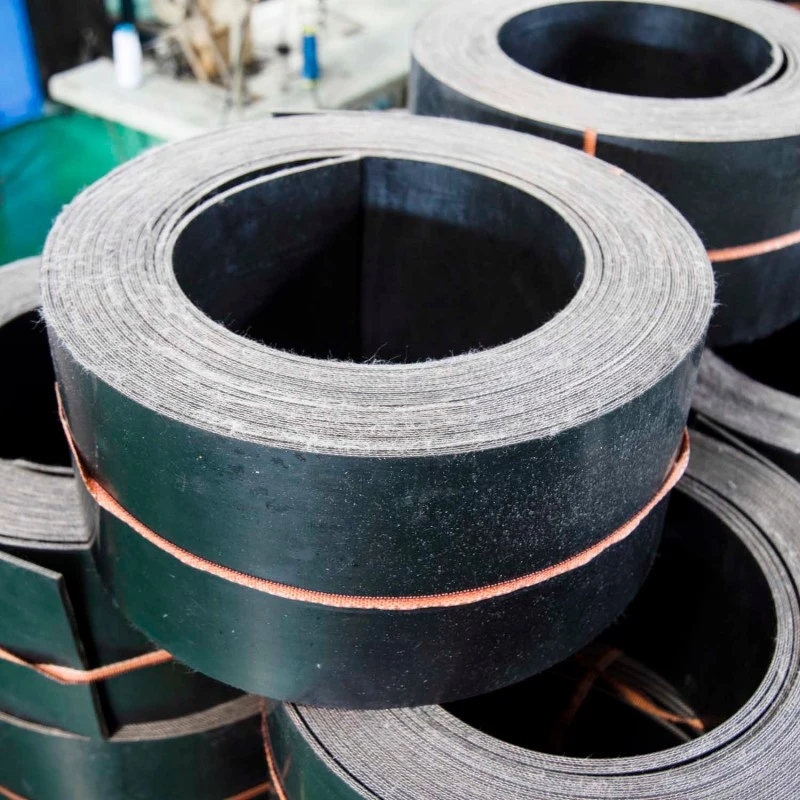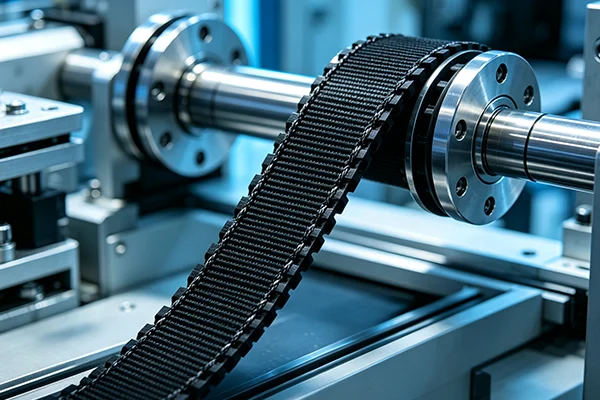
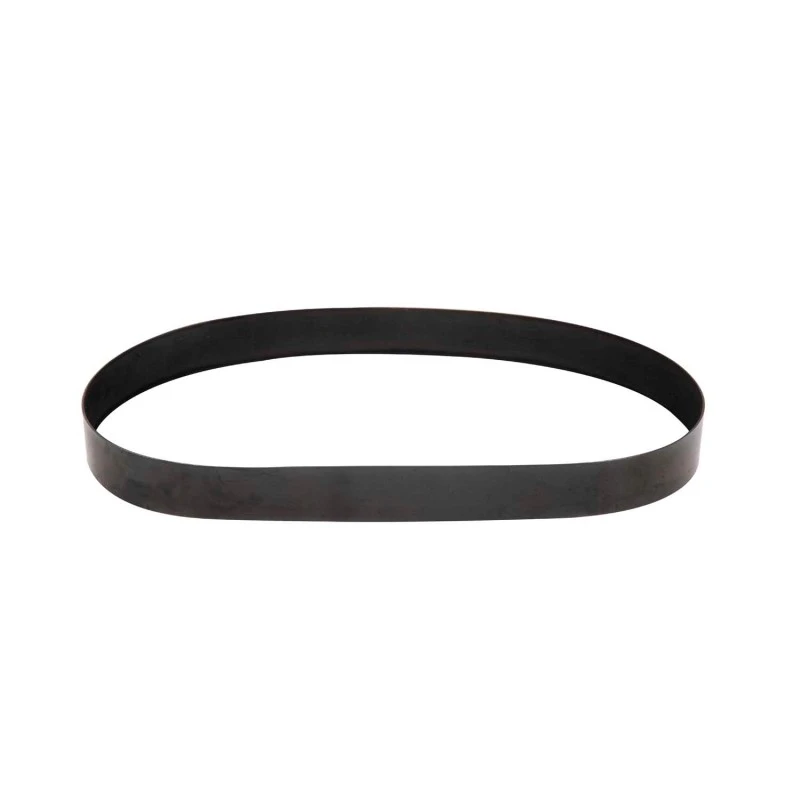
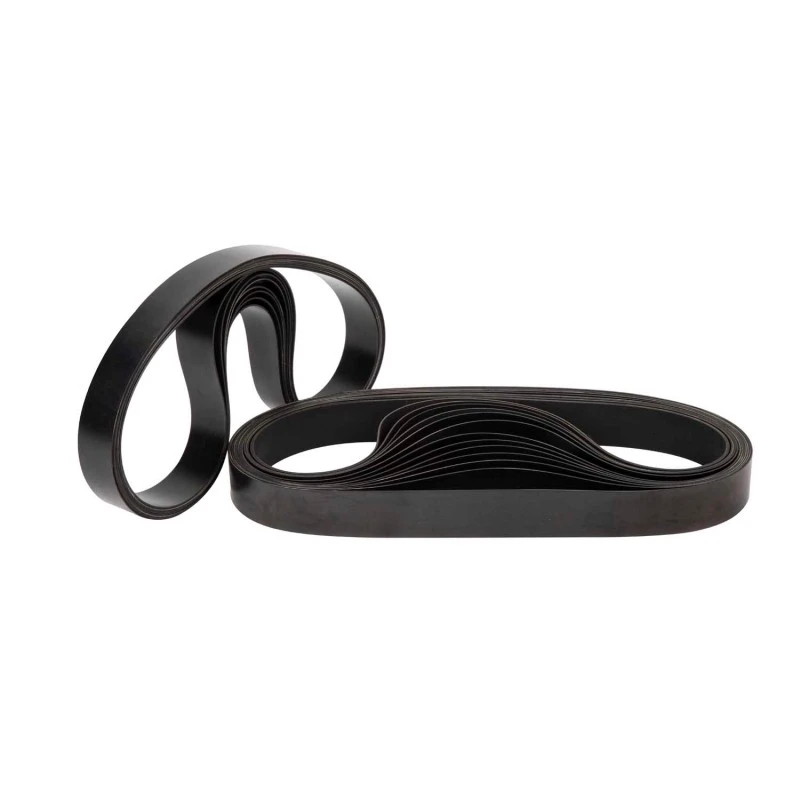
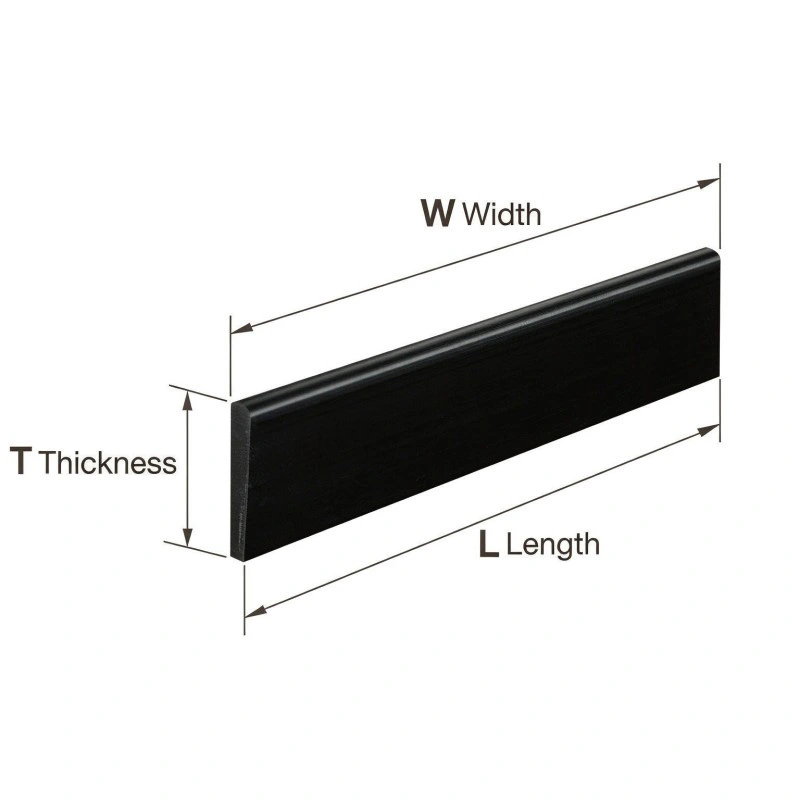
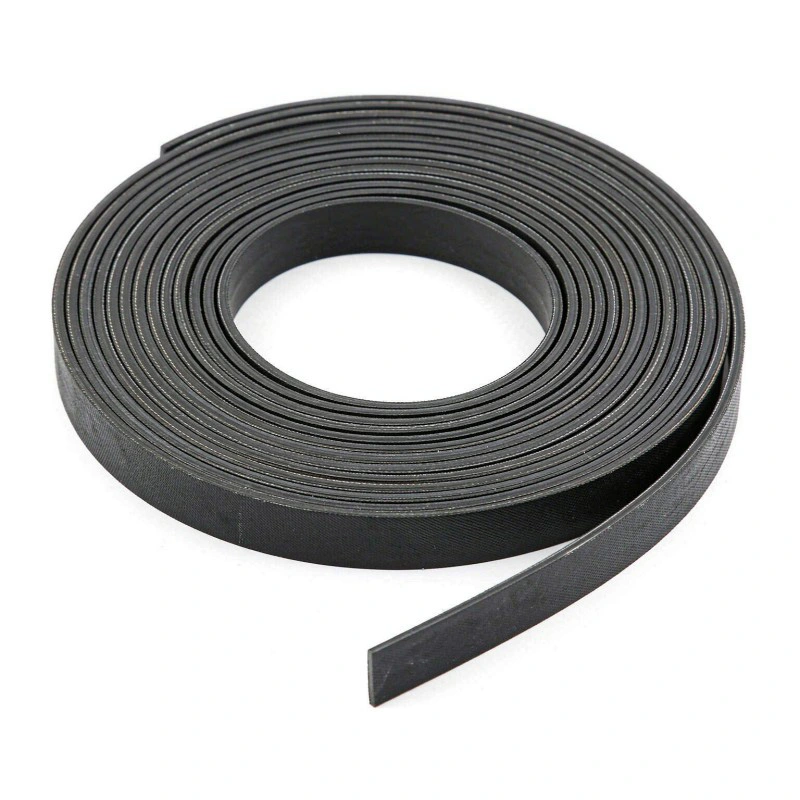
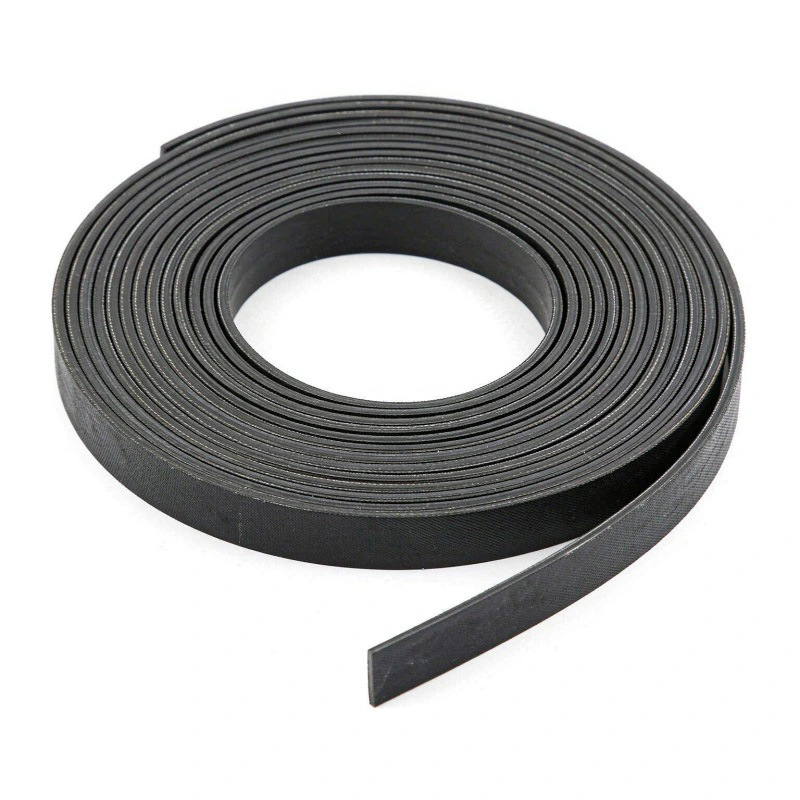
A flat belt is used to transmit mechanical power between rotating shafts or move materials along a conveying line. Its flat, rectangular cross-section works with pulley surfaces rather than grooved channels, making it suitable for equipment that requires high-speed operation, long shaft distances, or a compact transmission structure. Depending on the application, buyers can select conventional rubberized fabric belts, polyamide film composite belts, or endless designs.
Kaihong provides belt solutions for industrial machinery, textile equipment, material handling systems, and other power transmission applications. Width, length, thickness, tensile member, and contact surface can be selected according to the drive layout, load conditions, and operating environment. The right specification helps maintain stable tracking, reduce unnecessary energy loss, and extend service life.
Different machines require different combinations of flexibility, tensile strength, surface friction, and dimensional stability. The following options help purchasing teams identify a suitable construction before requesting a quotation.
| Construction | Material and Design | Suitable Conditions |
|---|---|---|
| Conventional flat belt | Multiple layers of rubberized canvas, available in wrapped-edge or cut-edge construction. | General industrial transmission where economical operation, tensile strength, and moisture resistance are required. |
| Polyamide film composite belt | Polyamide film load-bearing core combined with rubber, leather, or fabric working surfaces. | Higher-load transmission systems requiring tensile strength, dimensional stability, and suitable surface friction. |
| High-speed endless belt | Thin polyamide film-based or specially woven construction with an endless design. | High-speed machinery where uniform thickness, smooth running, and reduced vibration are important. |
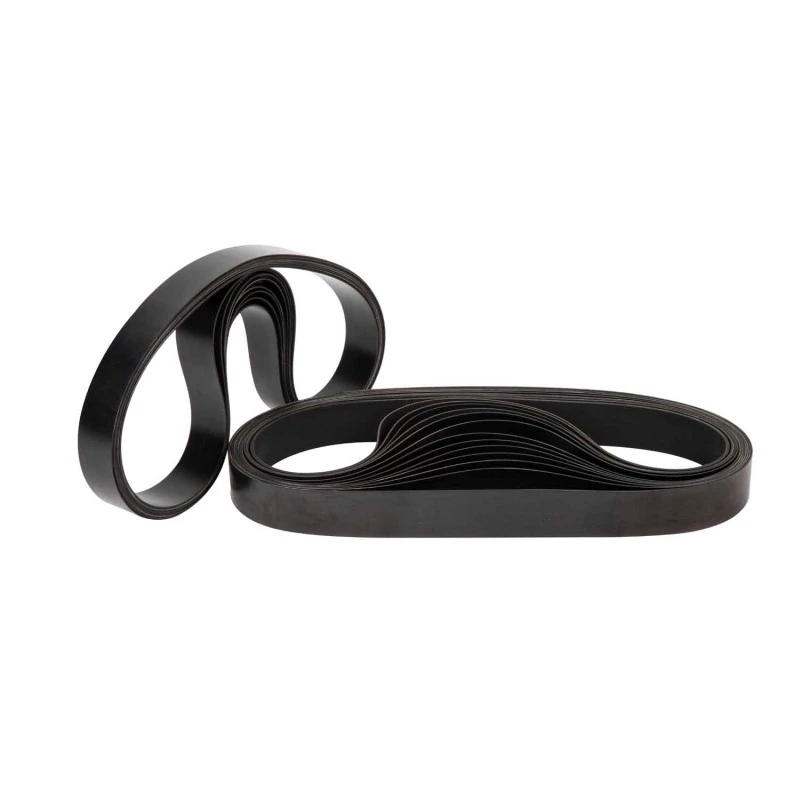
The contact between the belt and pulley determines how effectively torque is transmitted. Insufficient tension or contaminated pulley surfaces can cause slipping, while excessive tension increases bearing loads and stress on the belt. The appropriate tension should follow the manufacturer's recommendations and the requirements of the specific drive.
Thin, flexible belts can work well in high-speed systems because their construction can reduce bending resistance and centrifugal loading. However, the permitted operating speed depends on belt material, thickness, pulley diameter, balance, and installation quality. Confirm these parameters before selecting a belt for high-speed spindles or other precision equipment.
Long-distance drives and applications with relatively high rotational speeds are common uses for flat transmission systems. The belt's tensile member, width, and thickness must match the transmitted power, starting conditions, and distance between shafts. For conveying applications, the surface material and resistance to the conveyed product also need to be considered.
Spinning frames, twisting machines, texturing equipment, and other textile machinery use flat transmission belts where stable speed and continuous operation are important. Belt selection should account for shaft speed, alignment, and the required transmission ratio.
Printing presses, packaging machinery, paper-processing equipment, and light industrial machines may use flat belts for power transmission or product movement. Surface friction, tracking stability, and resistance to the working environment are key selection factors.
Fans, pumps, compressors, grinding machines, centrifuges, and machine-tool spindles may require a belt designed for their specific loads and speeds. Buyers should verify the required power rating, pulley dimensions, and operating conditions before confirming a specification.
For conveying systems, the belt surface must suit the transported material and the contact conditions. Depending on the application, options may include higher-grip surfaces, heat-resistant compounds, anti-static properties, or materials intended for specific handling requirements. Food-contact applications should be confirmed against the applicable material compliance requirements.
Before ordering, prepare the following information to help Kaihong assess compatibility with your equipment and reduce the risk of incorrect sizing.
| Information Required | Why It Matters |
|---|---|
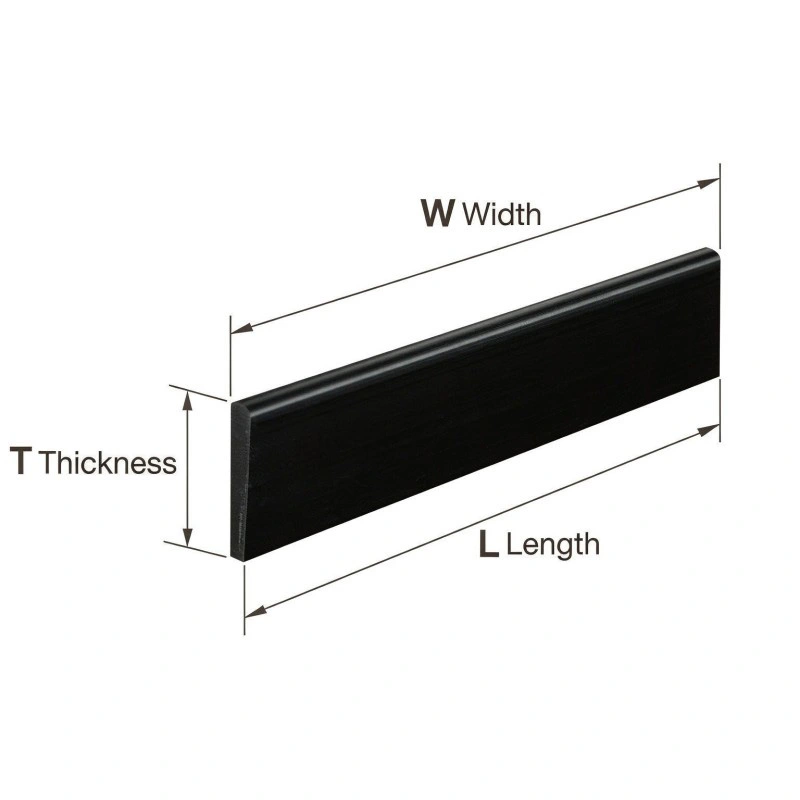
| Belt width and thickness | Determine the available contact area, flexibility, and fit within the machine layout. |
| Belt length and joint type | Ensure compatibility with the shaft spacing, installation method, and drive configuration. |
| Power, speed, and load | Help establish the required tensile capacity and suitability for continuous or intermittent operation. |
| Pulley diameter and alignment | Check bending requirements, contact conditions, and tracking stability. |
| Working environment | Identify whether oil resistance, heat resistance, anti-static properties, moisture resistance, or specific surface materials are needed. |
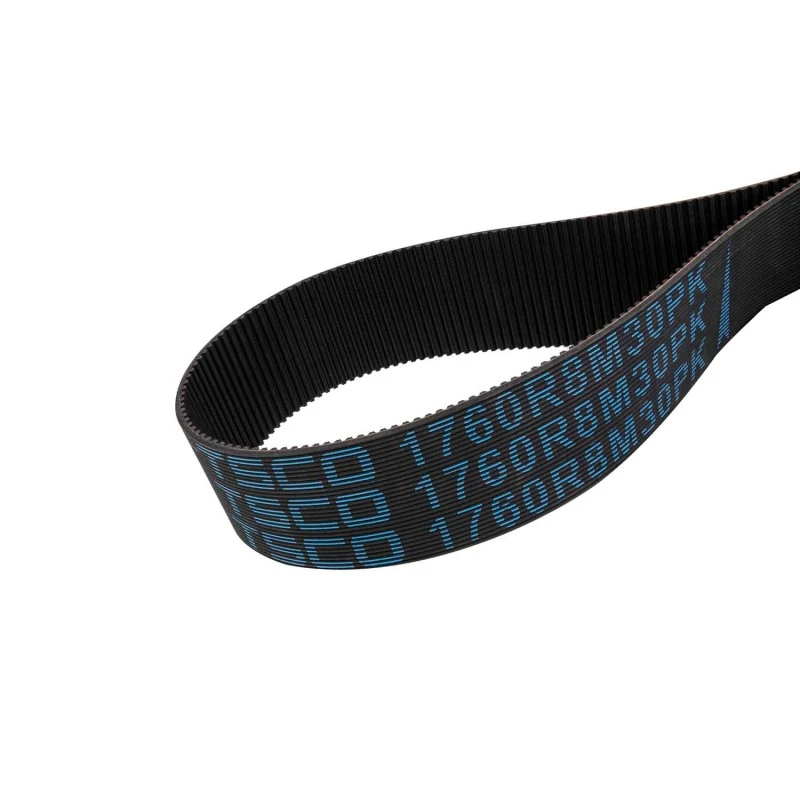
If the existing belt is being replaced, provide its markings, dimensions, machine model, or a drawing of the drive arrangement. Photographs of the pulley system and details of the operating speed can also help narrow down the available options.
Before installation, check the belt dimensions, pulley condition, shaft alignment, and tensioning arrangement. The pulley faces should be clean and aligned, and the belt should be installed using the equipment's designated tension adjustment method rather than being forced over a pulley with tools. Incorrect tension and misalignment can lead to slipping, uneven wear, or tracking problems.
For open-end belts, the joint should be prepared using a method compatible with the belt construction. Where a vulcanized splice is required, its flexibility and thickness should be consistent with the rest of the belt as far as the design permits. Inspect the belt periodically for edge wear, cracking, surface contamination, and changes in tension. After maintenance or an extended shutdown, verify alignment and tension before returning the equipment to service.
Kaihong supports customized belt dimensions and material combinations for different industrial requirements. Depending on the intended application, available design options may include rubber, leather, or fabric contact surfaces and load-bearing layers made from polyamide film, polyester fabric, or aramid fabric. Special surface compounds can also be evaluated for oil exposure, elevated temperatures, anti-static requirements, or other defined operating conditions.
The company maintains ISO 9001 and ISO 14001 certifications, and REACH-related material requirements can be addressed according to the product and applicable scope. Buyers requiring compliance documentation should confirm the specific material, test reports, and certificates needed for their destination market before placing an order.
To request a quotation, share your required width, thickness, length, material preference, operating speed, transmitted power, and estimated order quantity. Kaihong can use these details to assess suitable constructions and discuss customization based on your equipment requirements.
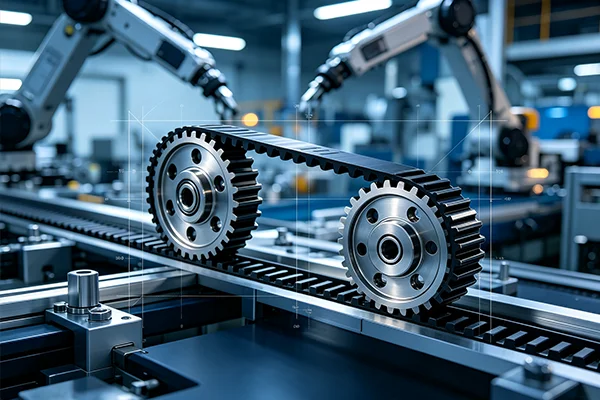
Not always. The two designs use different pulley geometries and transmission principles. A flat belt generally requires suitable flat pulley surfaces, adequate contact, and a compatible tensioning arrangement. Check the drive design and power requirements before changing belt types.
Common causes include pulley misalignment, uneven belt tension, inconsistent belt thickness, damaged pulley surfaces, or an incorrectly prepared joint. Inspect the full drive arrangement before adjusting tension, as excessive tension may create additional mechanical stress without resolving the underlying issue.
An endless design avoids a conventional field splice and can provide consistent running characteristics when correctly manufactured. However, the best choice depends on the installation space, required belt length, drive speed, load, and replacement procedure. Some machines may still require open-end belts that are joined during installation.
Provide the required dimensions, material or surface preference, pulley diameter, shaft distance, operating speed, load, working environment, and quantity. An existing sample or technical drawing is useful when the belt must fit a specific machine.
Looking for a belt for a new machine or a replacement for an existing drive? Contact Kaihong with your application details, drawings, or belt sample information. Our team can help evaluate the available construction and dimensional options for your operating conditions.
Address
No. 48 Guangming Middle Road, Sanmen County, Taizhou City, Zhejiang Province, China
Tel